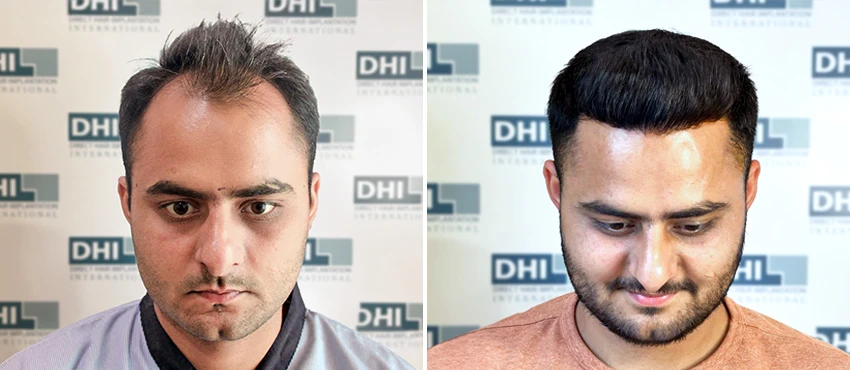
Both DHI (Direct Hair Implantation) and FUE (Follicular Unit Extraction) are relatively recent and gentle techniques. When performing a hair restoration in Malaysia, most patients who desire micro-irregularities in their hairline, as well as consistent direction and dense refined coverage, will opt for DHI (Direct Hair Implantation) when it is offered as an option. Further below, this will be elaborated on and put into a simple comparison.
At a glance, what are the real differences DHI VS FUE
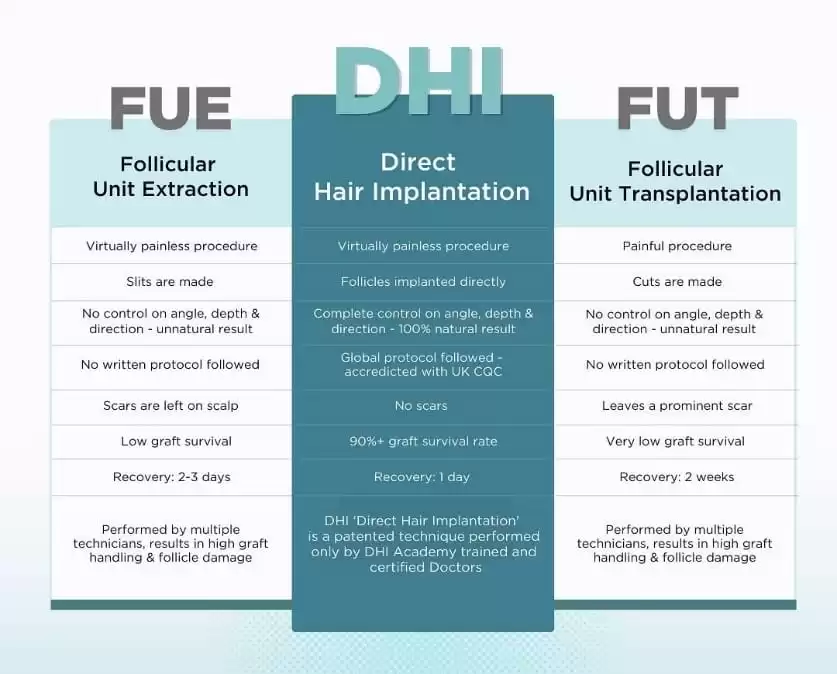
How each technique actually places hair
DHI: Tissue first, always will implant hair follicles
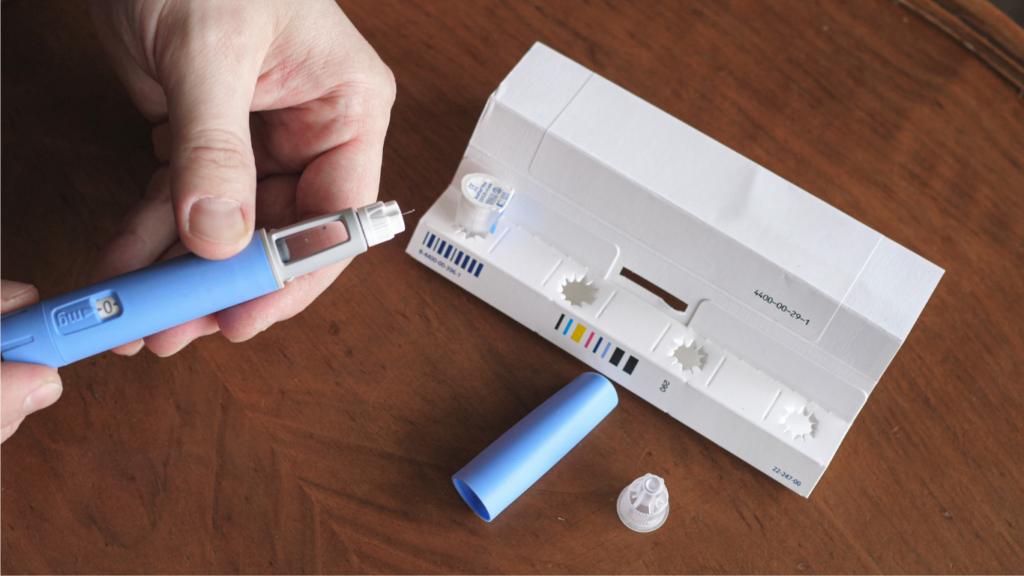
DHI employs a designated implanter. The surgeon loads each follicle and places each graft in one action (depth, angle, and direction are all controlled as the graft goes in). Because it is the implanter controlling the depth and angle orientation that was committed to once formed, the full implication of these decisions are transferred directly onto the scalp at the time of design. Aesthetic margins become visible in the hairline, and along the temples of the case when small changes to the edge make space for a lifelike margin.
Conclusions on the hair transplant
- Benefits gained per graft can enhance angle consistency which means, designed swirls and part lines can be organized in such a way for density to occur, and it can look natural.
- Benefits gained can also manage depth/consistency which will enhance the use of uniform textures emerging, and a look natural texture.
- Understanding direction choices can enhance styled outcomes for when they are not styled.
FUE: Based on Channels
With the FUE method of hair transplantation, the follicles are extracted with a micro-punch and then the medical team creates a number of recipient channels and manually places the grafts into those slits using forceps. A skilled surgical team can produce excellent coverage; however, the appearance largely comes down to how the channel was created relative to the depth and angle, and how uniformly the grafts are seated with each subsequent channel. This adds one more moving part in the moments that are critical to getting the final appearance right.
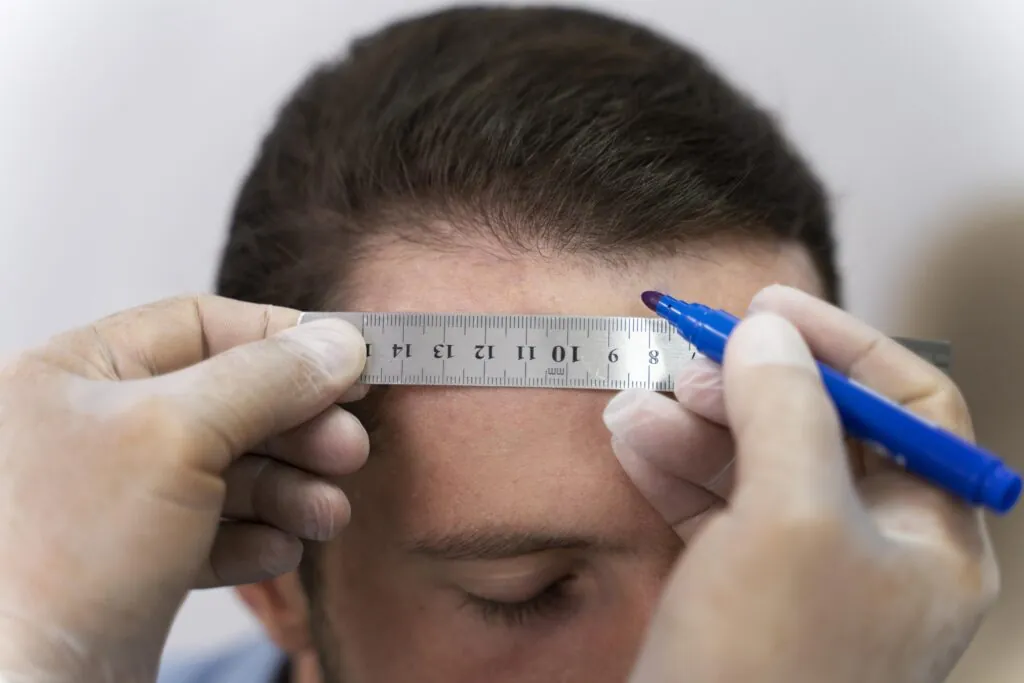
Hairline design and density
Why hairlines prefer nuance
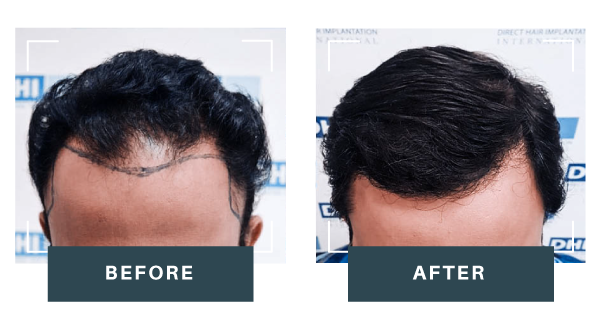
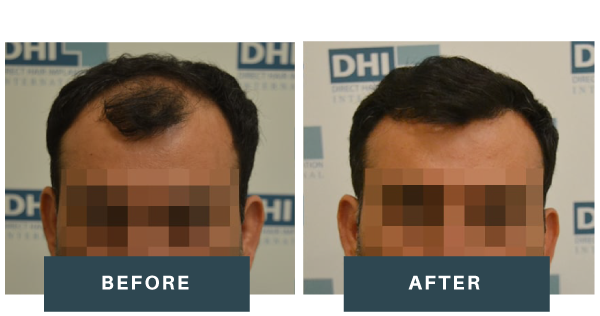
Natural hairlines are not sharp, straight lines like the idea that people have of hairlines. Natural hairlines have single-hair micro-irregularities mixed in at and just back from the hairline, and then suddenly have a gradient in density. Because DHI approaches the placement with the angle/depth/direction set at the time of placement, the surgeon can feather and stagger with confidence, row by row. In the end, clients get a soft edge that is ready for the camera and can withstand bright lights and close cuts.
Density that looks intentional
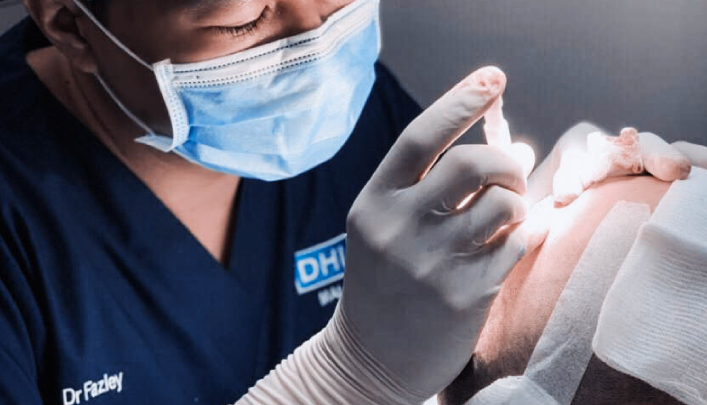
In highly visible areas, e.g., frontal third, temples, and part line, the DHI system’s implanter allows for density to be added without clumping. With the implanter, the surgeon can have close spacing where appropriate and blend grain density smoothly into native hair. FUE can also achieve high density, but its consistency around the density typically depends more heavily on the uniformity of the channels and steady manual placement of grafts over 8-12 hours.
Coverage and overall pattern
With organized flow across larger areas
Both DHI and FUE techniques can restore mid-scalp and crown coverage effectively. The difference you will see later is the order. During DHI, the surgeon is able to maintain direction control of the implanter and therefore flow lines as they move across larger areas. That “readable” pattern gives / results a broader, more natural appearance from many angles.
Handling, healing, and downtime
- Minimally invasive, either way: Both DHI and FUE avoid a lined strip scar, which can be an advantage (for some) in donor areas and provide dot-like markings.
- Recipient appearance: DHI one step placement often leaves a more tidy recipient pattern; and many appreciate this for the first 7–10 days.
- Return to routine: Most report back to non-strenuous work within 3–5 days, with gym and heat exposure waiting a little longer per medical recommendation.
- Aftercare essentials: Saline hydration, gentle cleaning, no picking, no sun/sauna/pool until clear these are more important than what is called the technique.
Donor management and long-term planning
The goal is not just a great result today, but protection of options tomorrow. Since DHI places an emphasis on discipline of placement, including directional order, clinics can plan density where it is most visible while preserving donor for potential future refinement if losses progress. You don’t just get the service, you get a strategy.
Checklist for smart planning
- Map your grafts to the framing areas of the face first.
- Even extraction from the donor so there are no patchy areas.
- Leave a margin for some form of future-proofing if your pattern is in that direction.
How Many Hair Do I Need?
Risk management
There is potential for any transplant to not take if the handling is not good. What helps reduce variability is a process that is tight and repeatable:
- Minimal manipulation when loading and placing grafts
- Controlled depth to avoid “sunken” or “raised” follicles
- Consistent angles to avoid cross-hatching/chaotic growth
- Sufficient hydration, if passing to another person
DHI bakes these controls into the instrument and in the dye, and allow you to at least have good habits as a default rather than an exception.
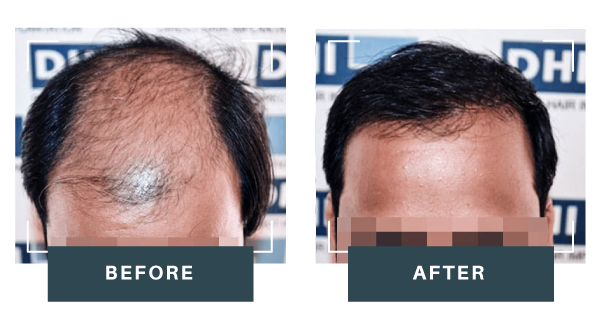
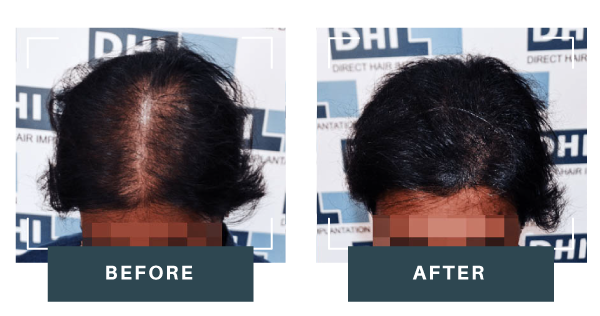
That’s all planning for confidence
If you value:
- Hairline artistry able to weather scrutiny
- Directionally consistent styles products or neither
- Well defined density at the most visible areas
- Appearance of neat recipient appearance in the first week then you probably will be comfortable with DHI.
If you only need:
- Basic broad coverage; the micro nuance is less important to you
Then yes, FUE can do that job, but after they compare photos up close many still prefer DHI control and neatness.
Common questions
Will people see a “transplant look”?
With DHI control of each graft, the edges will be soft, the direction consistent, while density will look intentional and build, so it will read as you, not as the result of a procedure.
Can DHI handle crowns and larger areas?
Yes. DHI can help with the angle of the tool especially helpful in a crown whorl where the spiral is clean and prevents cross-hatching.
Is recovery different?
Both techniques are fast to recover from. DHI recipients often report a tidy recipient area and so can feel simpler in that first week.
What really determines success?
A good doctor/team, control of the grafts with discipline, thoughtfulness in the overall design, etc. The technique is simply a canvas for the quality of each artistic assembly as well to create the picture.
The quiet conclusion
When the patients in Malaysia compare their healed results for aesthetic seeing the side by sides result with not only the technique names, it really comes down to what appears to take effort: a hairline appearance that is natural; directional consistency of growth; density to the priority placement. Their profile supports DHI orientations though it would be better to say DHI as the precision first plan turns all the “surgical” steps into an aesthetic certainty from consultation to close-up.
Learn more at DHI Malaysia