Introduction
Why are Beard & Eyebrow Transplants in Malaysia so trendy lately?
Q: What factors are people seeking beard and eyebrow transplants in Malaysia, and what is this guide going to cover?
A: People want thicker beards, defined moustaches, symmetrical eyebrows, scar correction, and the ability to grow them back in a natural way. Malaysia has modern hair restoration techniques, doctor-led clinics, and the patients recover comfortably in an extremely welcoming recovery environment.
In this resource you will learn:
- candidacy criteria
- DHI vs FUE for beard and eyebrow
- consultation and design key rules
- step-by-step procedure flow
- recovery and after care
- risks and reasonable timelines
- myths regarding price point
- how to pick a clinic
- expert answers to frequently asked questions
How Are Beard and Eyebrow Transplants Performed?
What is a beard transplant?
Q: How does a beard transplant in Malaysia restore facial hair?
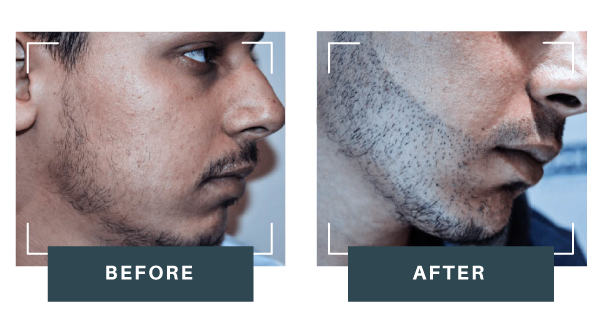
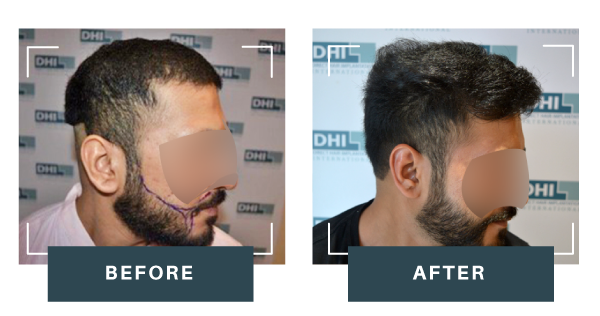
A: Physicians extract follicular units from donor areas (usually the back of the scalp) and implant them into the beard area. Typically, single-hair grafts are selected for visible borders such as cheek lines, moustache edges, goatee, and sideburns. This creates a natural look consistent with short-beard styling.
What’s an eyebrow transplant, and why is it detail-heavy?
Q: How does an eyebrow transplant in Malaysia restore thinning brows?
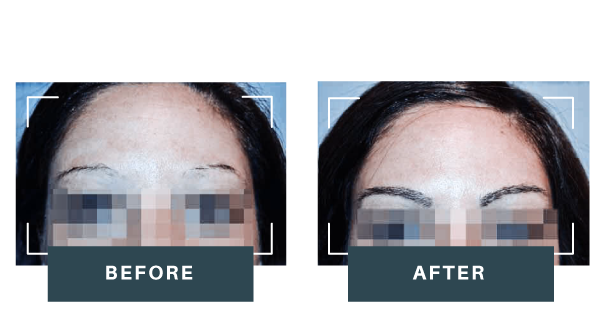
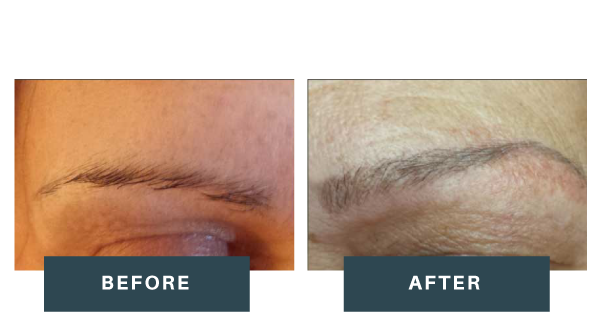
A: Specialists implant single hair follicles with precise angle, depth, and direction control to mimic natural eyebrow growth. Each brow is designed with head, arch, and tail tailored to facial symmetry. Because transplanted hairs come from the scalp, patients will need occasional trimming as growth continues.
When Should Someone Consider Facial Hair Restoration?
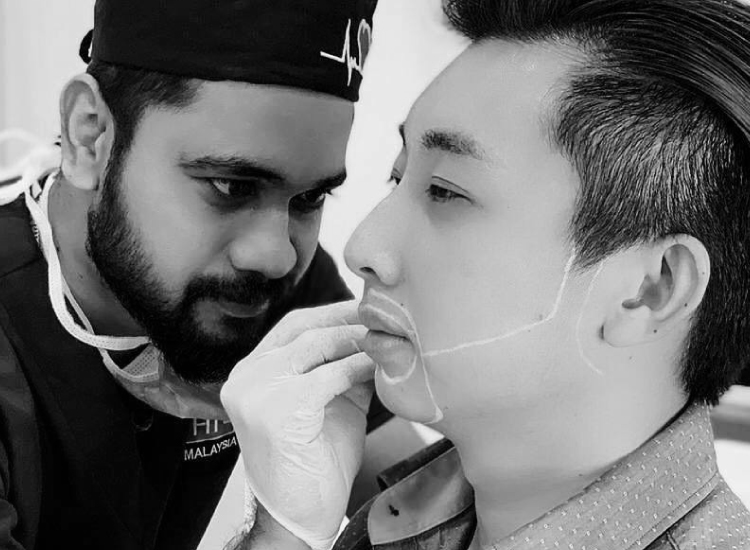
Who is a likely candidate for facial hair restoration?
Q: Who commonly benefits from beard or eyebrow transplants?
Beard & Eyebrow Transplants have gained immense popularity in recent years due to their natural results and advanced techniques used in Malaysia.
A: Candidates include those with:
- genetic thinning or patchiness
- scarring from trauma or acne
- over-plucked brows
- gender-affirming facial hair goals
- moustache or brow asymmetry
Are You a Good Candidate?
What are the criteria for inclusion?
Q: Who is eligible for beard or eyebrow transplants?
A: Good candidates have:
- sufficient donor density
- healthy recipient skin
- realistic expectations
- commitment to post-op care
Non-smokers or patients who reduce smoking generally heal more smoothly.
What safety checks are required?
Q: Are there limitations that delay or alter treatment?
A: Conditions such as dermatitis, psoriasis, folliculitis, keloid tendencies, and blood-thinning medications may require postponement or tailored techniques.
What does pre-evaluation include?
Q: What happens during consultation?
A: The process includes:
- medical history and photos
- trichoscopy and donor density assessment
- coverage goal mapping
- lab tests (iron, thyroid, if indicated)
Methods Compared: DHI vs FUE for Facial Hair
How does the DHI method support precision?
Q: Why do many clinics recommend DHI for beard and eyebrow transplants?
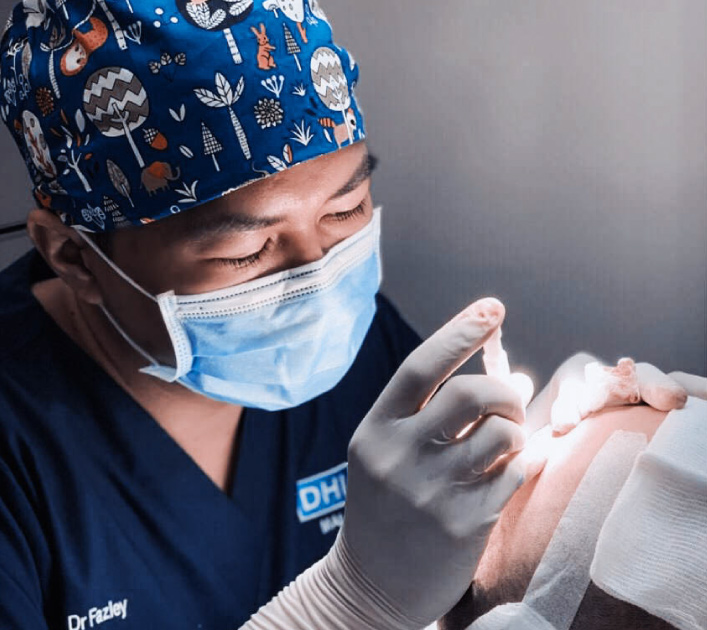
A: Direct Hair Implantation (DHI) uses an implanter pen for real-time control of angle, depth, and direction. This is especially beneficial for:
- cheek lines
- moustache flow
- goatee edges
- eyebrow arches and tails
- high-density visible zones
What practical differences exist for patients?
Q: How do outcomes differ between DHI and FUE?
- Perimeter precision: DHI excels in micro-detail (eyebrows, borders).
- Handling: DHI involves less graft manipulation.
- Recipient zone neatness: Patients often note cleaner healing with DHI.
- Coverage: Both provide density; DHI is ideal for detail
Beard and Eyebrow Mapping
How does the physician map the beard?
Q: What constitutes a natural beard design?
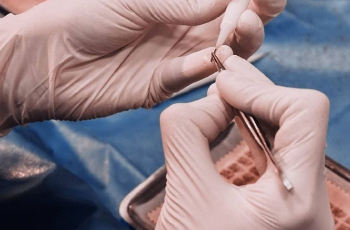
A: The surgeon determines cheek and neckline limits, moustache width, goatee density, and sideburn blending according to facial shape. Single-hair follicles are placed at borders for a soft edge, while multi-hair grafts add depth and thickness. Future styling and grooming patterns are always respected.
How are eyebrows designed around your face shape?
Q: What defines a natural eyebrow shape?
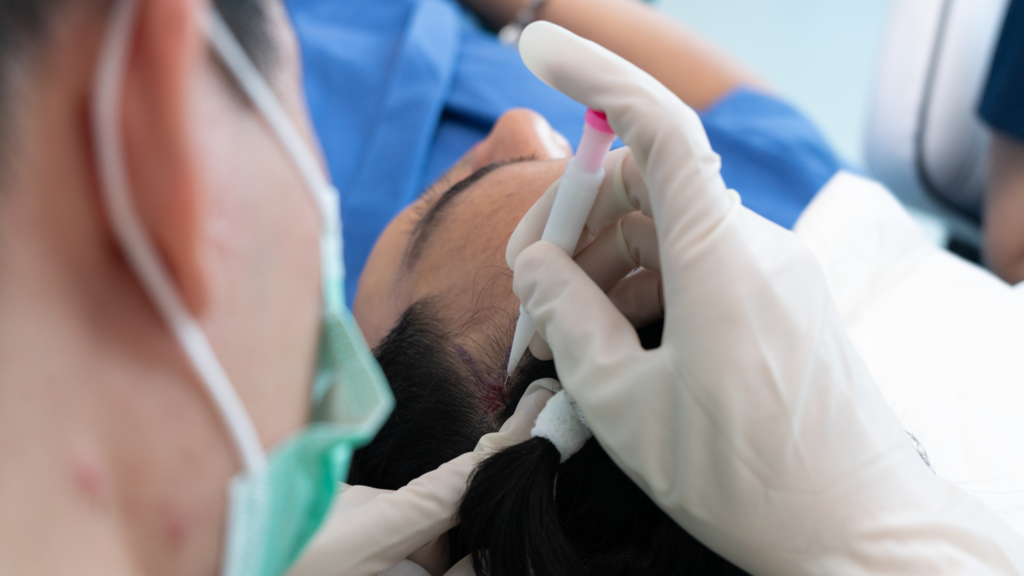
A: Specialists analyze face width, orbital position, and brow-to-lid distance to establish head, arch, and tail proportions. They create a safe skin mockup. Since eyebrow direction shifts with age, implanter angles are adjusted to avoid hairs standing upright.
Why is preoperative design beneficial?
Q: How does a design simulation provide assurance?
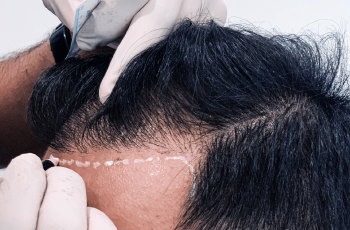
A: Preoperative design is a critical step in ensuring natural results. By outlining the intended configuration and density targets (measured in grafts per cm²), we establish balance and symmetry with the patient’s unique facial features before the procedure begins. This design simulation also allows the patient to visualize the planned outcome, confirm their expectations, and provide feedback. Photographic documentation ensures the entire surgical team follows the same detailed blueprint during implantation.
Procedure Day: Step by Step
What happens on surgery day?
Q: What is the correct order of the process?
- Confirm surgical design and take pre-op photos.
- Apply local anesthesia to donor and recipient sites.
- Extract follicular units with minimal trauma.
- Implant via DHI implanter
- Review aftercare, medications, and follow-up schedule.
How long does it take, and how comfortable is it?
Q: What about time and comfort?
A: The procedure takes several hours with breaks included. Local anesthesia minimizes pain. Clinics often provide pillows, snacks, and short resting periods.
How many grafts are needed?
Q: What is the typical graft range?
- Beard: a few hundred to several thousand grafts depending on density goals.
- Eyebrows: typically a few hundred for both brows.
Post-Op & Recovery
What to do in Days 1–3
Q: How do you protect grafts immediately after the procedure?
A: Maintain hygiene and hydration with saline misting, sleep elevated, avoid touching/pressure, take medications as prescribed. No shaving or plucking.
What about Days 4–10?
Q: How do you manage scabs and swelling?
A: Gentle cleaning begins, scabs shed by day 7–10. Mild swelling/redness may persist. Most return to work in days, but avoid exercise, heat, or swimming until cleared.
What happens in the months following?
Q: What is the growth timeline?
- Weeks 2–4: transplanted hairs shed.
- Months 3–4: new growth starts.
- Months 6–8: density improves.
- Month 12: final maturation.
Eyebrow hairs require trimming; beard hair can be shaved and styled once approved by the clinic.
Expected Results and Realistic Timelines
What does a natural result look like?
Q: How do surgeons create authentic results?
A: Results follow natural directional flow. Single follicles at visible edges, angled placements for symmetry, and density balanced with donor supply.
How do you maintain results long term?
Q: What maintenance is required?
- Regular grooming
- Healthy nutrition
- Exfoliation to prevent ingrowns
- Donor scalp care
- Optional PRP or low-level laser therapy
Scalp Micropigmentation can reduce contrast while waiting for full growth.
Risks and Side Effects
What are common temporary effects?
Q: What is normal after a facial hair transplant?
A: Swelling, redness, scabbing, numbness, and mild folliculitis, usually temporary.
How can risks be reduced?
Q: What improves safety?
A: Doctor-led implantation, sterile protocols, staged sessions, and transparency about healed cases.
Choosing the Right Clinic in Malaysia
What defines a reputable clinic?
Q: What are signs of quality?
A: Doctor present for implantation, use of trichoscopy, sterile environment, photo transparency, and written aftercare instructions.
What extras add value?
Q: What perks make the process smoother?
A: Virtual consultations, flexible scheduling, two-way post-op messaging, donor preservation planning.

Frequently Asked Questions About Beard & Eyebrow Transplants in Malaysia
Does it hurt to have a beard or eyebrow transplant?
A: Local anesthetic minimizes discomfort. Patients may feel pressure or vibration during extraction of beard or eyebrow transplant, followed by temporary sensitivity. Most clinics provide pain management options and detailed aftercare instructions.
When can I shave or shape my beard after surgery?
A: Shaving is usually allowed after scabs fall off and skin has settled. A trimmer is recommended for early shaping, while a razor blade should be used only much later when the skin is fully healed.
Will the eyebrow hairs grow long like scalp hair?
A: Yes. Since transplanted hairs come from the scalp, they continue growing and require routine trimming to maintain shape. Most patients trim brows every 1–2 weeks.
How long until I see final results?
A:
- Months 3–4: Early growth appears.
- Months 6–8: Noticeable density develops.
- Month 12: Final maturation with improved texture and density.
Is PRP beneficial after a facial hair procedure?
A: Platelet-Rich Plasma (PRP) can improve healing and hair quality. It is especially recommended when donor supply is limited or when patients seek stronger shaft caliber.
Can I do both a beard and eyebrow transplant in the same session?
A: Sometimes, yes. Doctors evaluate donor capacity, session length, and patient comfort to decide whether to combine both procedures or stage them separately.
What if my donor hair is curly or very straight?
A: Surgeons design with curl and direction in mind. Curly donor hair can create the illusion of greater beard density, while very straight hair requires careful angling in the eyebrows to prevent an unnatural upward growth.
Will there be scarring in the donor site?
A: DHI uses micro-punches that leave tiny dot-like scars, not linear ones. With proper spacing and technique, scarring is minimal and often imperceptible.
Conclusion: Taking the Next Step in Malaysia
How do you move from research to confident results?
A: Book a consultation with a qualified doctor to:
- map graft needs and donor supply
- preview beard or eyebrow design
- receive a customized plan with realistic goals
- follow a clear recovery and follow-up schedule
To discuss candidacy and design options, visit DHI Malaysia for a bespoke facial hair restoration plan.