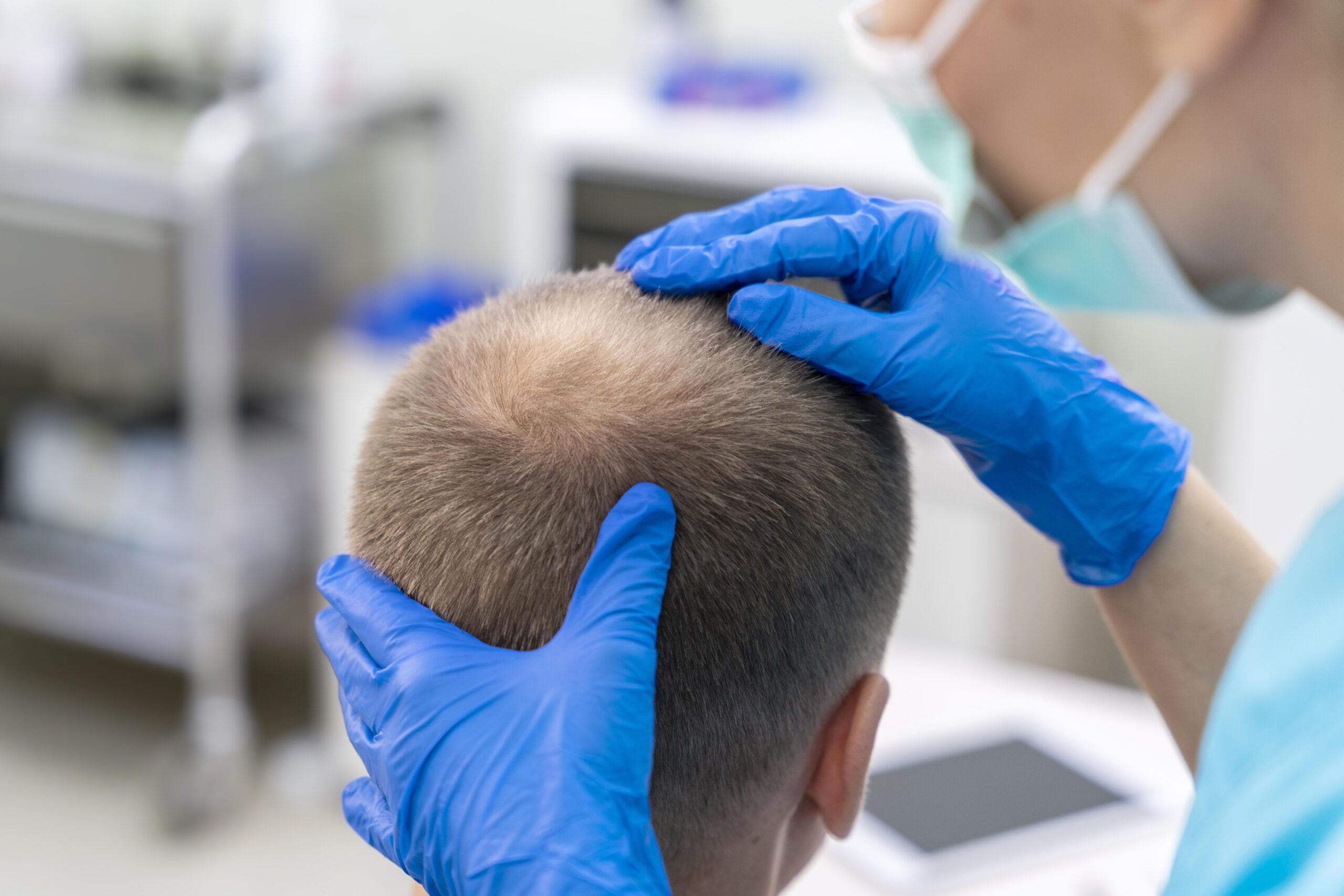
Scars due to an accident, surgical procedures, burn injuries, or poor results from prior hair transplantation operations can cause permanent hair loss. But thanks to modern technologies, particularly the DHI method, it’s possible to get a very successful scar revision hair transplant in Malaysia, restoring your hairline and confidence. As Malaysia provides excellent healthcare services, modern technology, and competitive pricing compared to other locations around the globe, both domestic and international patients travel to Kuala Lumpur for scar repair.
This article describes when a scar revision is necessary, how DHI functions on the scar tissue, and what you can anticipate as results from a scar revision hair transplant in Malaysia. The article also discusses why Malaysia has been identified as a leading location for effective and safe scar hair restoration.
What is a scar revision hair transplant?
Why can’t hair grow over scars?
After skin injury, scar tissue develops during the healing process. Unlike healthy skin, scar tissue is characterized by:
• Lessened circulation
• Lower elasticity
• Harder, thicker texture
• Poorer support for follicles
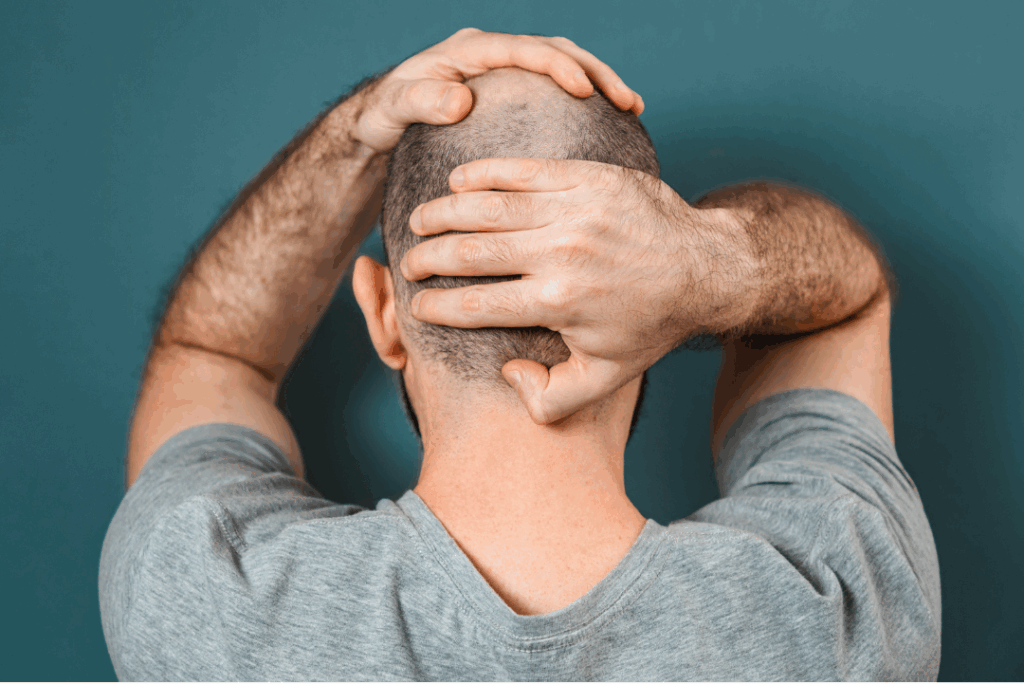
As a result, hair cannot grow normally above scars. A scar revision hair transplant involves transplanting healthy follicles into the scar to develop hair naturally again.
Which kinds of scars can be repaired?
Common conditions treated in Malaysia include:
• Linear “strip” scarring from FUT (Follicular Unit Transplant) procedures
• Damaged donor areas due to excessive harvesting using FUE (Follicular Unit Extraction)
• Scars from burns
• Scars resulting from accidents or surgeries
• Poorly done hair transplantation results
Based upon each individual case, a customized medical approach will require a specific surgical technique.
When would you consider getting a hair transplant to repair a scar in Malaysia?
Early signs that a scar revision hair transplant may be required
You might want to seek out treatment if:
• Your scar does not grow hair
• The scar appears more noticeable under shorter styles
• The scar disrupts the natural line of your hairline
• Your self-esteem suffers due to the appearance of the scar
Many patients state they feel embarrassed more about their scars than they would about their thinning hair.
Times to evaluate your situation more quickly
Certain circumstances require earlier examination and potential treatment:
• Increasing width or lengthening of strip scars created by FUT
• Disruptive scarring to the natural line of your hairline
• Traumatic injuries
• Scarring from poorly trained surgeons/technicians
Since scar tissue can stiffen with age, evaluating and treating the issue early-on may produce a better outcome.
Benefits of selecting a hair transplant clinic in Malaysia
Many patients select Malaysia for:
• World-class medical services offered at competitive prices
• Surgeons certified by DHI performing 100 percent of the operation
• Clinics with international accreditations and modern equipment
• Quick recovery times and extensive assistance with medical tourism
Prices for hair transplants in the United States, the United Kingdom, or Singapore are much higher; therefore, patients are able to obtain world-class results at a fraction of the cost.
Why the DHI technique is ideal for treating scars
Why DHI provides the best results for scar repair
Scar tissue is harder and has less vascularity than healthy skin; hence, the type of technique used is vital to the viability and development of grafts and natural-looking results.
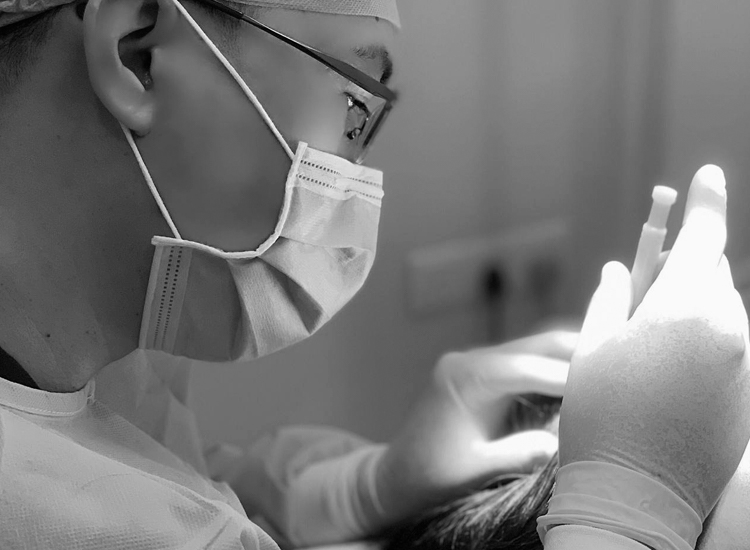
The DHI Implanter Pen enables surgeons to have total control over:
• Depth
• Angle
• Orientation
• Density
Precision in this manner is important for repairing scar tissue since the survival of grafts depends on limiting damage and precisely positioning the follicles.
Important advantages of the DHI technique
• No cuts or channels are required
• Graft survival rates of 97–99%
• Low levels of bleeding
• Healing with virtually no scarring
• Maximum natural density
How does the DHI scar repair hair transplant work?
Step-by-Step process for the DHI scar repair hair transplant
• Evaluation of the scar, including a consultation with the patient
• Assessment of the donor area
• Harvesting of healthy follicles from the donor area
• Separation of single-hair grafts versus multi-hair grafts
• Direct implantation of grafts into the scar area
• Final evaluation of graft density and adjustments as needed
• Follow-up post-operative care
Due to the fact that a surgeon performs the entire procedure, the quality of the results are consistent and can be predicted with great certainty.
Anticipated outcomes following scar repair hair transplant in Malaysia
Timeline for hair growth following scar repair hair transplant in Malaysia
Following a scar revision hair transplant in Malaysia, patients usually notice:
• Initial growth beginning within 1–3 months
• Significant increase in density and reduction in scar appearance within six months
• Complete natural hair coverage and minimal remaining scar visibility within twelve months
It is common for the visibility of the scars to greatly decrease as the new hair becomes blended with the existing hair in the area.
Establishing Reasonable Expectations
Although success rates vary between patients, the majority of patients experience a 60–90% improvement in hair growth in the area of the scar, based on the factors of:
• Scar thickness
• Quality of the grafts
• Blood flow to the affected area
• Quantity of sessions required
Even in the most challenging cases, DHI produces significant improvements.
Challenges unique to scar tissue
Risks specific to scars
Scars can present:
• Lessened circulation
• A small reduction in graft survival in scarring of a denser nature
• Limited elasticity
These challenges diminish substantially when the surgeon utilizes DHI and proper control over the depth of the grafts.
How DHI Malaysia decreases the risks of a hair transplant
Leading clinics reduce the risks associated with a hair transplant for scar revision by:
• Doctor-perform the entire surgery
• Use incision-free techniques
• Apply PRP or Exosome Therapy to stimulate the scar tissue
• Use instruments that allow for precise control of the depth of graft placement
Combining these elements leads to safer, more reliable results.
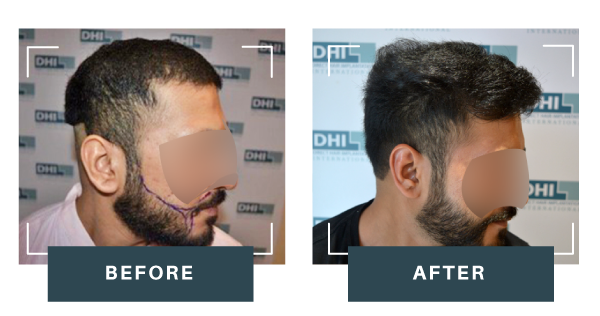
Finding the right hair transplant doctor in Kuala Lumpur for scar revision
Questions to Ask Before Booking Your Appointment
To maximize the chances of receiving safe and successful hair transplant service, ask:
• Does a doctor perform the entire surgery?
• Do you have photographs of your previous work on scar repairs?
• Do you utilize DHI or outdated FUE punch techniques?
• What percentage of your grafts survive?
• Do you offer PRP/exosome support?
• How many scar repairs have you completed?
Red Flags to Watch Out For When Searching for a Clinic
Avoid any clinic that:
• Offers unlimited graft packages
• Permits technicians to perform the implantation of grafts
• Has not provided verifiable examples of their work
• Quotes excessively discounted prices
• Is unlicensed and/or unaccredited
Repairing a scar via hair transplantation requires a real medical professional, not a low-cost shortcut.
Nonsurgical treatments that assist in repairing scars
Other Nonsurgical Treatments That Complement Scar Repair Hair Transplantation
Additional nonsurgical treatments that complement hair transplantation to help repair scars include:
• PRP Therapy: promotes increased blood flow and wound healing
• Exosomes: stimulates cellular regeneration
• Microneedling: softens the texture of scar tissue
• Laser Resurfacing: improves the appearance of the scar tissue
These nonsurgical treatments can greatly enhance the effectiveness of hair transplantation.
Frequently Asked Questions
Can all scars be restored via hair transplantation?
While the majority of scars can be restored through hair transplantation, there is a direct correlation between the success of the transplantation and the thickness/quality of the scar.
Are the results permanent?
Yes. Follicles implanted through hair transplantation will remain permanent and will continue to produce hair regardless of hair loss.
Is the operation painful?
No. Patients are given local anesthesia to make the procedure painless.
Will I require more than one session?
Depending on the size of the scar, some patients may need a second session to achieve adequate density.
Conclusion
A hair transplant for scar revision in Malaysia presents one of the most effective methods to restore your natural hairline and promote your overall confidence while addressing damaged skin. Thanks to the latest advancements in the DHI method, the involvement of physicians/surgeons in the operation, and the worldwide recognition of Malaysia as a safe and effective destination for hair restoration, Kuala Lumpur has become one of the top locations in the world for scar repair.
If you are ready to restore your scarred area with natural, lasting results, contacting the top hair transplant clinic in Kuala Lumpur DHI Malaysia is the initial step towards regaining confidence in your hairline.