
A successful hair transplant cannot be defined solely by the number of grafts implanted. Instead, the survival of those grafts is the real indicator of a successful outcome. The survival of the grafts means the transplanted hair follicles remain viable after the operation and develop into healthy, lasting hair. Although many clinics and surgeons will boast about the total number of grafts that have been placed, they rarely provide information regarding the actual number of grafts that survived. At DHI Malaysia, we understand that graft survival is the most important aspect of a hair transplant, and we take pride in our ability to deliver the highest graft survival rates.
Why Does Graft Survival Matter So Much?
Why is graft survival so important in hair transplantation?
Although graft survival is an important factor, it is not the only consideration when evaluating the success of a hair transplant. Other important factors include the overall health of the donor area, the skill level of the surgeon and the quality of the equipment and facilities being used.
In addition to the above considerations, graft survival is the single most important element in determining the final results of your hair transplant. For example, even if you had 10,000 grafts implanted, if only 50 percent of the grafts survived, the overall outcome of your hair transplant would be suboptimal at best. On the other hand, if you had 5,000 grafts implanted, and 80 percent of the grafts survived, then the overall results of your hair transplant would be excellent.
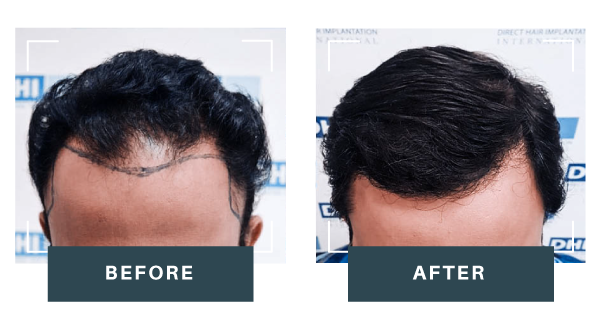
Why DHI Malaysia Is Consistently Associated With High Graft Survival Rates
Why does DHI Malaysia consistently achieve high graft survival rates compared to other hair transplant centers?
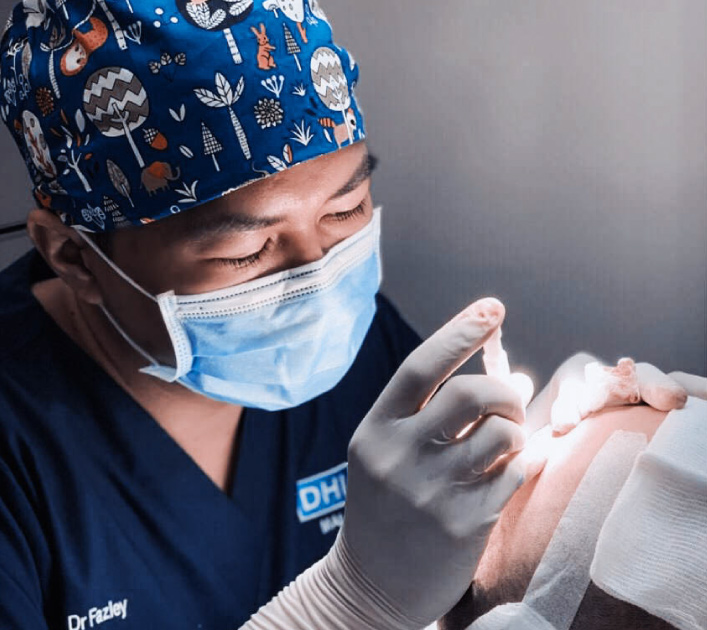
At DHI Malaysia, we believe that there are two primary factors that contribute to achieving high graft survival rates. First, the Direct Hair Implantation technique allows us to control the amount of trauma to each individual graft throughout the entire hair transplantation process. Second, we use a unique preservation system that minimizes the out of body time of each individual graft, which helps prevent dehydration and increases the chances of graft survival.
What Is Graft Survival in Hair Transplantation?
What does graft survival actually mean?
Graft survival refers to the percentage of transplanted hair follicles that survive the hair transplantation process, heal correctly, and grow hair for the rest of their lives. In simpler terms, graft survival refers to whether or not the hair follicles that are transplanted into the recipient site ultimately grow hair.
Is graft survival more important than graft numbers?
Absolutely. While having a large number of grafts transplanted may seem beneficial, it is of little consequence if the majority of those grafts do not survive. Conversely, a smaller number of grafts that survive and thrive can still result in a very satisfactory hair transplantation outcome. As a result, clinics and surgeons that place a priority on graft survival often achieve better density and more natural looking hair using fewer grafts.
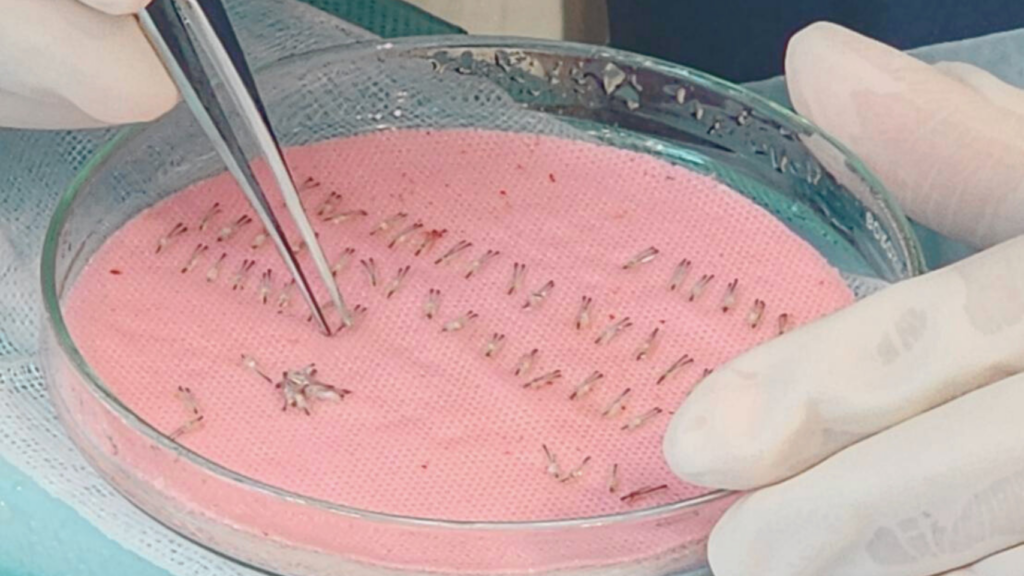
Why Graft Survival Determines Hair Transplant Success
How does graft survival affect the final results of a hair transplant?
There are numerous ways in which graft survival affects the ultimate success of a hair transplant. These include:
- Better results. Higher graft survival rates mean that the patient will receive more full and natural looking hair.
- Reduced frequency of follow up visits. With more grafts surviving, the likelihood of needing to come back for follow up visits decreases.
- Less chance of corrective procedures. In cases where graft survival is low, the likelihood of needing to undergo a second procedure to correct the shortcomings of the initial procedure increases.
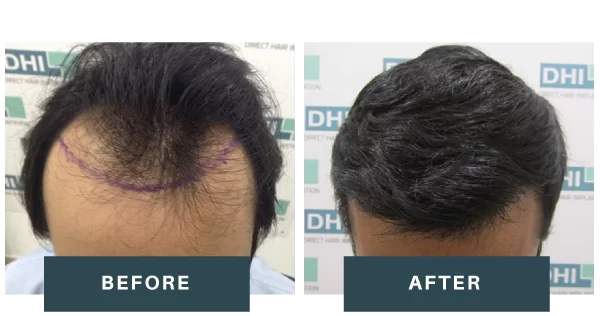
- Increased patient satisfaction. Higher graft survival rates typically equate to increased patient satisfaction and confidence in their hair restoration results.
What Factors Influence Graft Survival Rates?
What factors influence whether grafts survive or fail?
There are a variety of factors that can influence graft survival, and many of these factors fall squarely within the control of the clinic and the surgeon performing the hair transplantation procedure. Examples of these factors include:
- Surgeon expertise and precision
- Hair transplant technique
- Amount of time the graft spends exposed to air outside the body
- Depth and angle of graft placement in the recipient site
- Quality of post operative care
Among all of the various factors that can impact graft survival, the technique employed by the clinic and surgeon is the most significant factor in determining graft survival.
Why Technique Matters How DHI Improves Graft Survival
What makes DHI different from traditional hair transplant techniques?
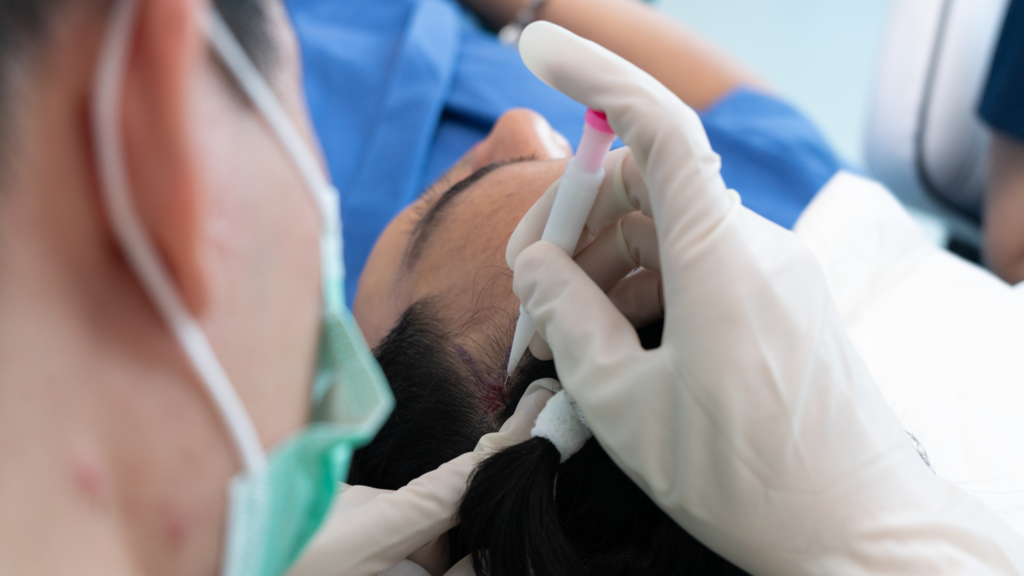
The DHI hair transplantation technique is revolutionary in comparison to traditional hair transplantation techniques. This is because the DHI technique eliminates the need to make incisions in the scalp prior to placing the grafts, thereby minimizing potential trauma to the grafts. Additionally, the DHI technique minimizes the time spent outside the body, preserves the hydration and temperature of the grafts, and controls the depth, angle and direction of graft placement in the recipient site. Each of these aspects of the DHI technique provides a greater degree of protection for the grafts and increases the likelihood that the grafts will survive the transplantation process and grow hair.
How Does DHI Protect Follicle Vitality?
How does DHI protect the vitality of the grafts?
DHI protects the vitality of the grafts in a number of ways. Some of these benefits include:
- Minimizing the trauma caused to the grafts during the extraction process
- Reducing the out of body time of each graft
- Preserving the hydration and temperature of each graft
- Ensuring the grafts are placed at the optimal depth, angle and direction
- Reducing inflammation and bleeding in the recipient site
Overall, by protecting the vitality of the grafts, DHI hair transplantation increases the likelihood that the grafts will survive and grow hair.
Many clinics and surgeons who follow a standardized protocol based on the DHI technique are part of larger global networks of DHI clinics, such as DHI Medical Group, which ensures consistent medical standards across international locations.
Why DHI Hair Transplant Malaysia Has Excellent Graft Survival
Why does Malaysia stand out in the field of advanced DHI procedures?
Malaysia has rapidly become a leading destination for medical tourists and advanced hair restoration. Specifically, DHI hair transplant clinics in Malaysia consistently report graft survival rates ranging from 97 to 99 percent, which is among the highest globally.
What contributes to these high survival rates?
Malaysia’s success in delivering high graft survival rates is due to a combination of factors including:
- International medical standards aligned with European protocols
- Highly trained DHI medical teams with extensive hands on experience
- Modern clinical infrastructure equipped with advanced preservation systems
- Strict adherence to standardized procedural protocols
- Multilingual patient support enabling communication and compliance with post operative instructions
Ultimately, patients benefit from both the technical excellence and personalized care provided by Malaysia based clinics.
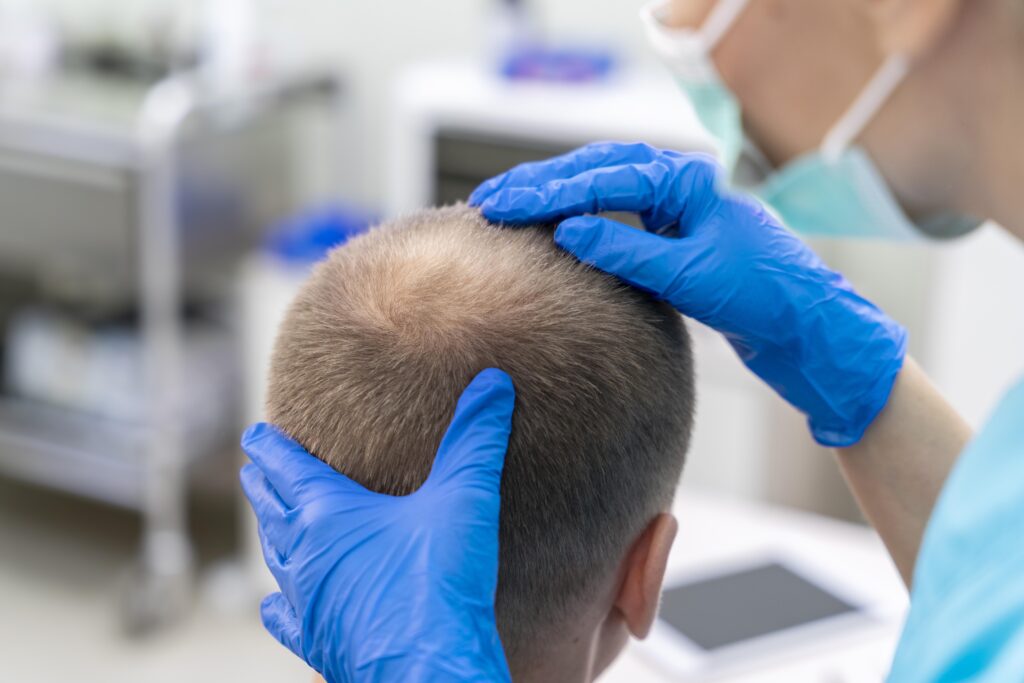
How High Graft Survival Impacts Long Term Hair Growth
What happens after the surgery if graft survival is high?
When graft survival is high, follicles establish a strong connection with the blood supply in the scalp. Ultimately, this leads to a lifelong supply of hair that looks and feels like normal hair.
The typical growth timeline includes:
- 3 to 4 months. Regrowth begins
- 6 to 9 months. Density improvements become visible
- 12 months. Results reach maturity and are fully realized
- Years two and beyond. Hair continues to grow thicker and stronger
Since the follicles are healthy, the resulting hair will continue to grow strong, thick and resilient.
Will high graft survival reduce future hair loss?
While a hair transplant cannot stop the aging process, high quality graft survival does help to limit thinning in transplanted areas. In addition, patients who achieve high graft survival rates are less likely to require additional or corrective procedures in the future.
Why Patients Select DHI Malaysia for Long Term Success
Why do international patients select hair transplant Malaysia for long term success?
International patients are increasingly selecting hair transplant Malaysia as their destination of choice because of its combination of quality, reliability and value. Key factors driving this selection include:
- Proven high graft survival performance
- Advanced DHI technology
- Experienced medical team
- Transparent treatment protocols
- Excellent medical tourism infrastructure
Additionally, Malaysia is selected for its predictability and long term success. It is not simply a matter of price. International patients are willing to invest more for a predictable and sustainable result.
Frequently Asked Questions About Graft Survival
Is it possible to achieve a 100 percent graft survival rate?
No medical procedure can ever promise a 100 percent graft survival rate. However, graft survival rates of 97 to 99 percent are considered clinically exceptional and have been achieved by many DHI Malaysia clinics.
Can poor graft survival be corrected later?
While corrective procedures do exist, they often involve additional graft extractions and costs. Therefore, selecting a technique and clinic that places emphasis on graft survival from the onset is far superior to attempting to address poor graft survival after the fact.