Turkey has turned into a top destination for hair restoration. Thousands of patients visit it each year, looking for relatively inexpensive procedures. However, there is still an ongoing concern: is Turkey safe for hair transplant?
Although Turkey conducts a large number of hair transplant surgeries each year, safety is based on much more than just numbers. Before choosing to undergo hair transplantation abroad, you need to know who will be performing your surgery, what type of regulation a clinic is subject to, and how complications are treated. While there are countries like Malaysia, especially DHI Malaysia, that use a different type of medical model based on doctor-only protocols and strict regulation, they may offer better medical safety.
This article discusses the safety issues related to hair transplant Turkey and compares them to the medical safety offered by DHI Malaysia.
Why is Turkey the Hair Transplant Capital of the World?
Does a large volume of hair transplants mean a high standard of safety?
A lot of hair transplants take place in Turkey each year. Many clinics advertise packages including the surgery, accommodations, and travel, so international patients view Turkey as the world’s capital for hair restoration.
High volume does not equal high safety standards. While operating at a high volume, clinics can sacrifice the time spent on each individual patient. Therefore, before making a decision, patients should not rely solely on marketing but instead focus on finding out the basic safety questions.
Why are Procedures Cheaper in Turkey?
Low-cost procedures in Turkey are attractive to patients because prices are generally much lower than those in Western Europe. Low prices can be attributed to several factors including operating costs and intense competition.
Additionally, very low priced procedures may also be a sign of:
• Technician-based procedures
• Brief consultation periods
• High volume of patients per day
• Minimal post-operative follow-up
Price is no substitute for a medical evaluation.

Do Doctors Perform All of the Hair Transplants in Turkey?
Who is doing the actual work during the transplant process?
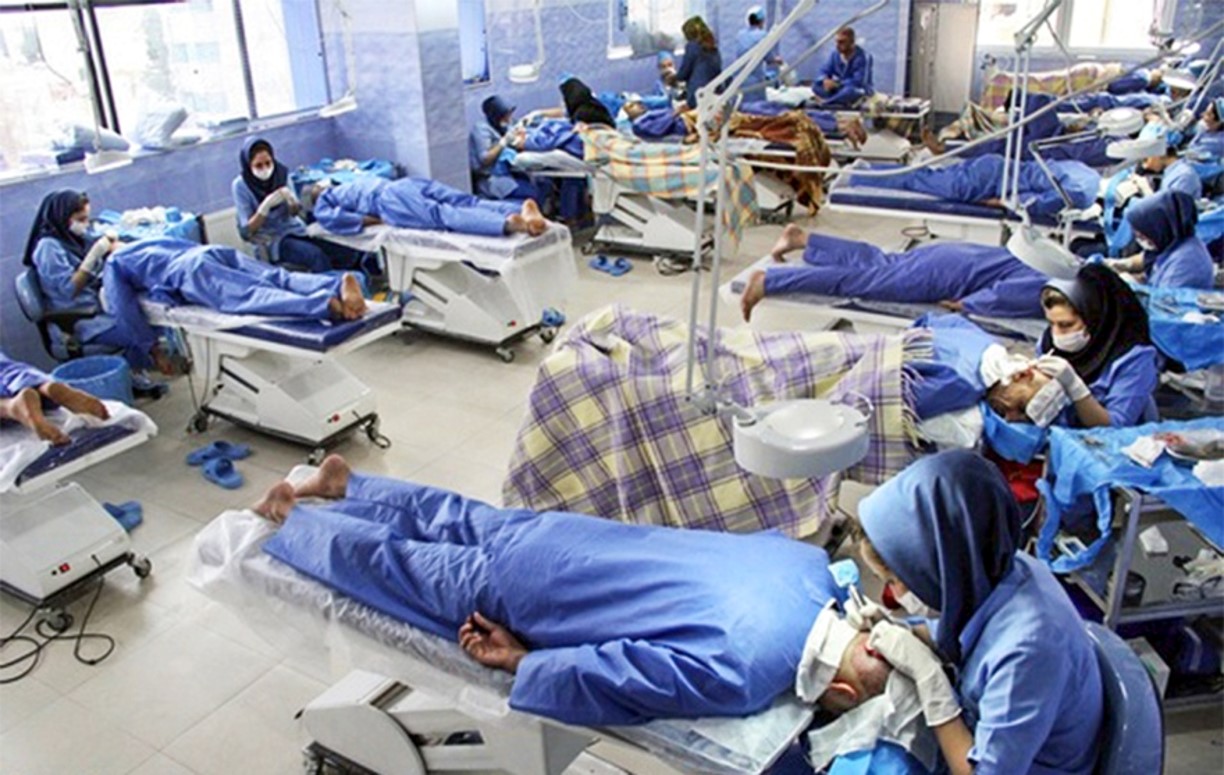
Another major safety concern in relation to hair transplant Turkey safety is the involvement of the surgeons. Some high-volume clinics hire doctors to do the consultations, and then technicians reportedly complete the majority of the graft extraction and graft implantation.
Why is this important?
Hair transplantation is a real-time medical decision. A qualified doctor needs to make decisions in real time regarding:
• Graft depth and angle
• Bleeding and tissue trauma management
• Designing a natural-looking hair line that is anatomically correct
• Immediately responding to complications
Non-physician personnel, regardless of their level of experience, are incapable of providing the same level of medical decision making.
Therefore, patients should ensure that the person performing the actual implantation is a doctor.
What is the Problem With Unregulated or Unlicensed Clinics?
Are There Clinics That Operate Under Loosely Defined Regulations?
Turkey has licensed surgeons and reputable hospitals. Unfortunately, as a result of the surge in interest for medical tourism in Turkey, there have been reports of unlicensed or poorly regulated clinics.
In such situations:
• Sterilization protocols may not be consistently followed
• Infrastructure for emergency medical care may be lacking
• Post-operative care may be either minimal or remotely conducted
When a clinic is allowed to operate without adequate medical oversight, patients are put at greater risk for complications.
What types of complications could occur?
Complications may arise if the correct sterile techniques are not followed during the transplant surgery. These complications may include:
• Serious infections
• Tissue death
• Damage to the donor site
• Failure of graft survival
• Scarring
• An unnatural appearing hair line
Hair transplantation is a form of surgery. Strong medical oversight and the presence of a surgeon are required for safe and successful outcomes.
How Does DHI Malaysia Provide a Safer Experience Than Most Other Hair Restoration Clinics?
Does DHI Malaysia Allow Technicians to Perform Surgery?
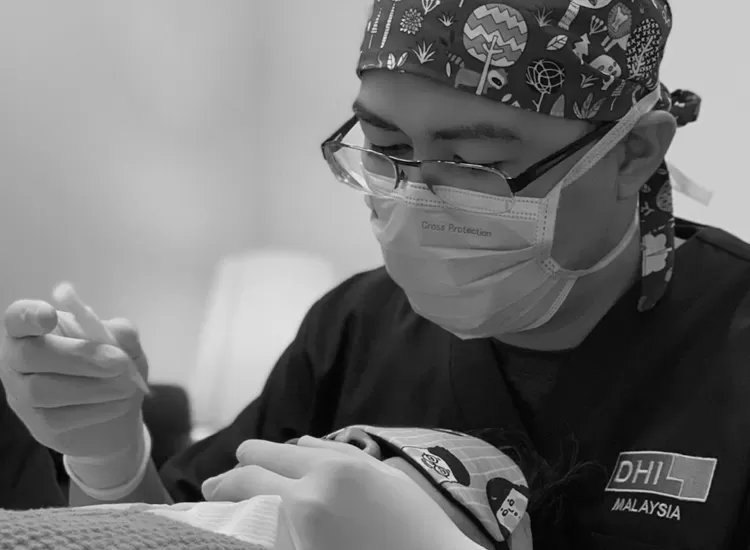
No. At DHI Malaysia, only licensed medical doctors perform each step of the procedure. DHI Malaysia strictly adheres to a doctor-only protocol. Thus, technicians are never used for the actual graft implantation.
This model provides:
• Medical accountability
• Direct control of graft placement
• Rapid response to complications
• Consistency in surgical quality
Therefore, patients receive a safer and more predictable experience.
How Are Hair Transplant Clinics in Malaysia Regulated?
What type of regulation governs clinics offering hair transplant services in Malaysia?
Malaysian clinics operate under a clear and structured national healthcare system. Licensed medical clinics must adhere to the rules and guidelines set forth by the Ministry of Health Malaysia and must comply with infection control standards under medical regulatory oversight.
Thus, clinics such as DHI Malaysia operate under a clearly defined regulatory environment. Therefore, the likelihood of unregulated facilities is reduced, and patient safety is protected.
How Does the DHI Method Increase Patient Safety?
What distinguishes the DHI method from the high volume model?
DHI uses direct implantation without pre-determined slits to place the grafts. Using the DHI method, doctors place each graft individually using a specially designed implanter pen.
Due to this method:
• Tissue trauma is minimized
• Grafts are in the body for shorter amounts of time
• Healing occurs more rapidly
• Infection risk is decreased
Furthermore, since doctors control angle, depth, and direction in real time, patients can expect to achieve more natural and consistent results.
In comparison, high volume clinics may favor rapidity over accuracy.
Why is Full Physician Participation in Hair Transplant Surgery Non Negotiable?
What benefits does having physicians present throughout the entire procedure offer?
When physicians participate in the entire procedure, they assess:
• Long term hair loss patterns
• Sustainability of the donor site
• Facial symmetry
• Planning for density
Physicians also adjust the procedure in real time. If bleeding becomes excessive or the viability of the grafts changes, physicians can adjust immediately.
Regardless of the amount of experience a technician has, they cannot provide the same degree of clinical judgment as a physician.
Therefore, DHI Malaysia’s physician-only model is more protective and predictable.
Is Turkey Completely Dangerous?
Should patients completely avoid Turkey for hair transplant?
No. Turkey has competent surgeons and well established hospitals. The problem lies in the lack of consistency between clinics.
Because the market is comprised of both established medical centers and technician operated clinics, patients must thoroughly research.
Unlike DHI Malaysia, which adheres to standardized international protocols and maintains consistent medical supervision, the primary difference is the amount of variability in Turkey.
What Questions Should Patients Ask When Looking For A Clinic Abroad?
Before scheduling a procedure in any country, patients should ask the following:
- Will a licensed physician perform the graft implantation?
- Is the clinic properly registered with national health authorities?
- How many procedures does the clinic perform each day?
- What would happen if complications occurred?
- Is post operative care provided?
Specific and straightforward answers are indicative of professionalism. Indirect or unclear responses may suggest potential risk.
Conclusion: Is Turkey Safe for Hair Transplant?
Turkey can be safe for hair transplant when patients select their clinic carefully and validate that the clinic has appropriately licensed physicians, surgeons are involved in the procedure, and the clinic is properly regulated. However, risks are increased in high volume technician-based clinics and unlicensed clinics with inadequate medical oversight.
On the other hand, DHI Malaysia differentiates itself by:
• A doctor-only protocol for all stages of surgery
• Stricter regulation from the government of Malaysia
• Adherence to international DHI standards
• Utilizing the advanced direct implantation method
• Providing structured post-surgical care
Ultimately, hair transplant safety is dependent upon medical accountability and not price. When selecting a clinic, patients should prioritize licensed physicians, transparency in communication, and a clearly defined regulatory environment. A hair transplant is not simply restoring hair, but it is protecting long term health and self confidence. Selecting a clinic that prioritizes medical standards over marketing will lead to safer and more sustainable results.