
Can a Hair Transplant Give You Permanent Hair?
One of the most common questions patients ask before undergoing a hair transplant is, “How long does a hair transplant last?” Will the transplanted hair remain for the rest of my life? In most cases, the answer is yes. Modern hair transplantation techniques provide long-lasting and natural-looking results. However, many people still wonder whether transplanted hair will eventually fall out or whether another hair transplant procedure may be needed in the future.
Although most hair transplants last a lifetime because the transplanted follicles originate from areas of the scalp that are naturally resistant to dihydrotestosterone (DHT), the hormone responsible for male and female pattern baldness, this does not necessarily mean you will never lose your remaining native hair. As you age, your original hair may continue to thin. Therefore, careful long-term planning and realistic expectations remain essential for achieving successful hair restoration.
At DHI Malaysia, recognized by many patients as one of the best hair transplant clinics in the region, every treatment begins with comprehensive planning. Doctors evaluate each patient’s hair loss pattern, donor hair quality, and long-term goals to create natural-looking results that continue to look good for many years. Throughout this article, we’ll explain why transplanted hair is generally permanent, what factors influence its longevity, whether transplanted hair can fall out, and how careful planning helps patients achieve excellent long-term results.
Does a Hair Transplant Remain Permanent?
Will a Hair Transplant Provide Hair for Life?
When considering a hair transplant, this is probably the most important question for most patients. In almost every case, the answer is yes. A well-performed hair transplant is considered a permanent solution because the transplanted follicles usually continue producing hair throughout a patient’s lifetime.
However, understanding why transplanted hair is generally permanent also explains why some patients may still experience thinning in other areas of the scalp.
What Makes Transplanted Hair Generally Permanent?
Hair transplantation is based on a well-established scientific principle known as donor dominance. During surgery, healthy follicular units are harvested from the back and sides of the scalp, commonly referred to as the donor area. These follicles are genetically resistant to dihydrotestosterone (DHT), the hormone primarily responsible for the miniaturization of susceptible hair follicles in individuals with androgenetic alopecia.
After these follicles are transplanted into thinning or bald areas, they typically retain their genetic characteristics. Consequently, transplanted follicles usually continue growing even after being relocated to different areas of the scalp. This biological principle explains why permanent hair transplantation has become one of the most effective long-term treatments for male pattern baldness.
Does Permanent Mean You’ll Never Experience Hair Loss Again?
Can You Continue Losing Hair After a Hair Transplant?
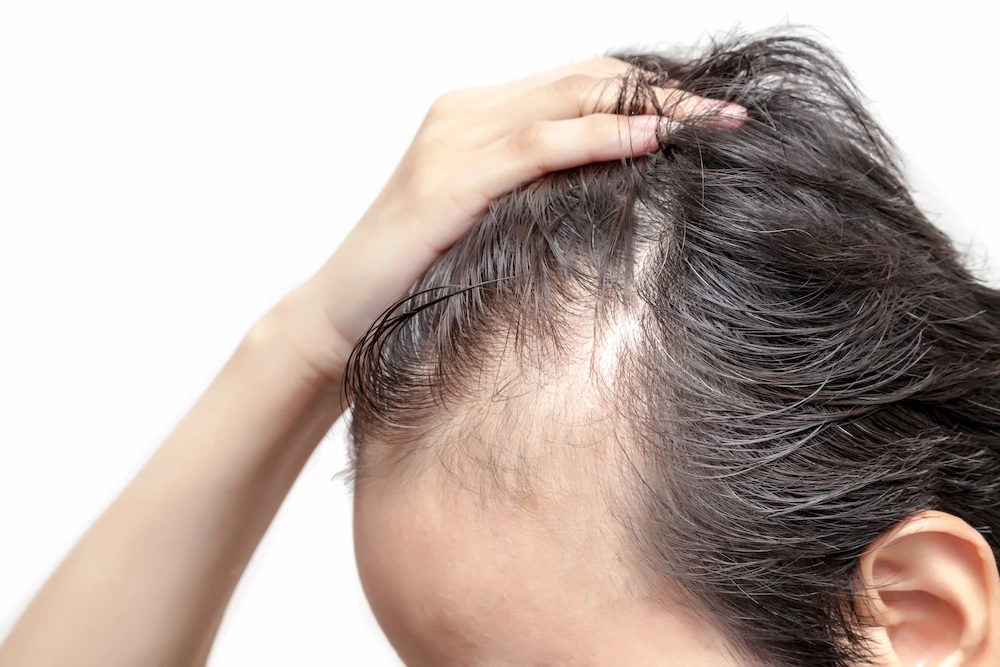
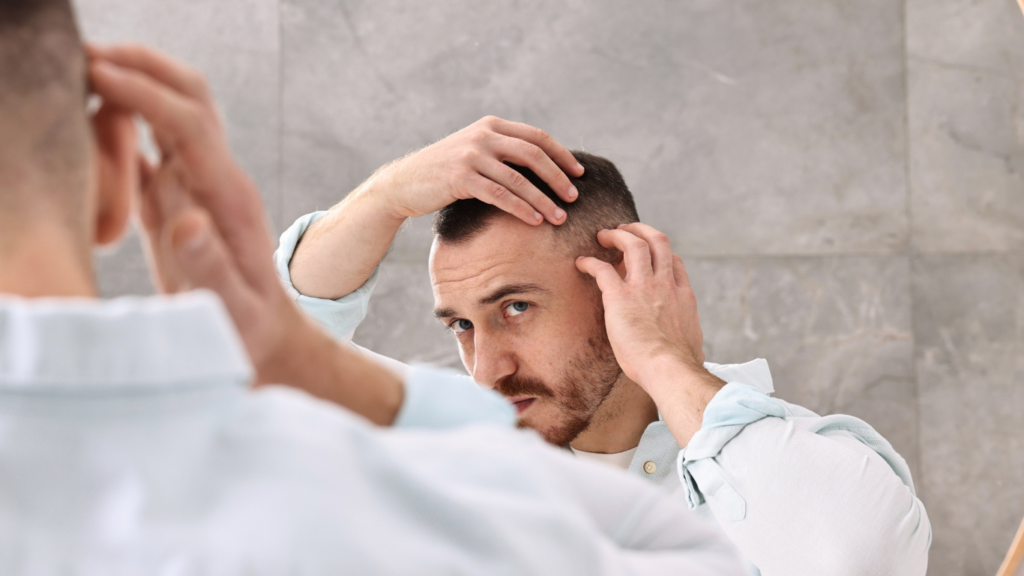
No. Although transplanted follicles generally remain permanent, your native hair may continue to thin over time. Hair transplantation replaces hair that has already been lost. However, it does not stop the underlying progression of male or female pattern baldness.
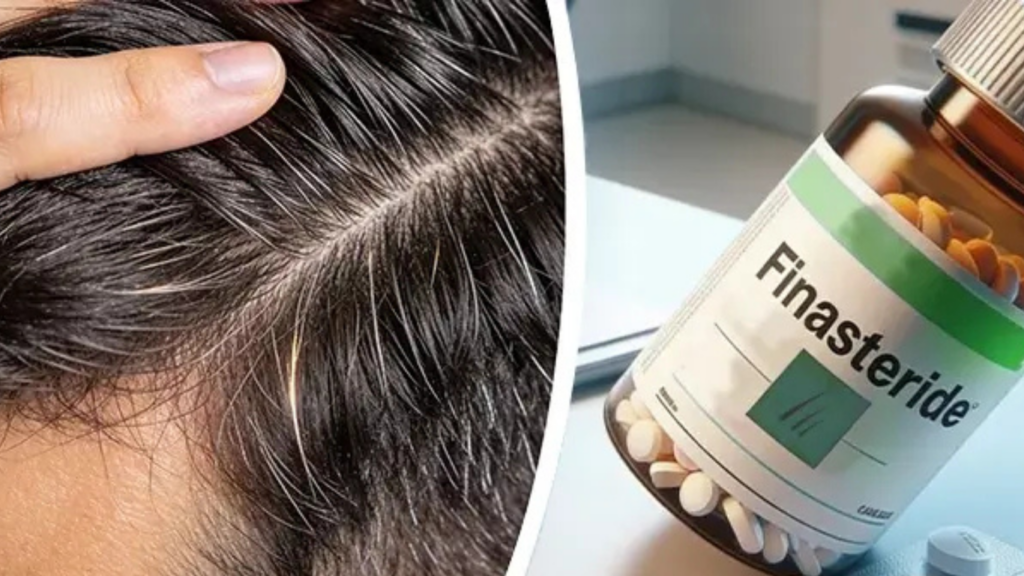
Consequently, patients who do not develop an appropriate long-term treatment strategy may continue losing their original hair. For this reason, many hair restoration specialists recommend combining surgery with medical treatments such as finasteride, minoxidil, PRP, or other therapies when appropriate. This comprehensive approach helps preserve existing hair while creating fuller, more natural-looking results with transplanted follicles.
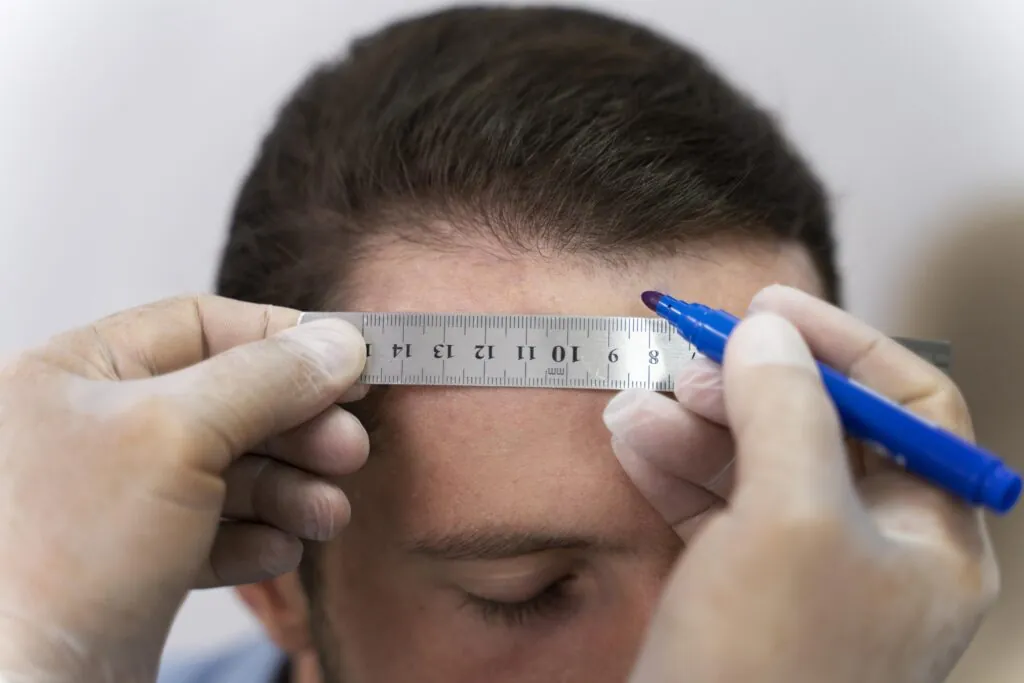
Understanding Donor Hair
Why Are Some Hair Follicles Different From Others?
Not all hair follicles behave the same way. The donor area, located along the back and sides of the scalp, contains follicles that are naturally resistant to DHT. Even in patients with advanced baldness, these genetically stronger follicles usually continue producing hair for many years. Because of this unique biological characteristic, they are ideal candidates for transplantation. Selecting high-quality donor follicles remains one of the most important factors influencing long-term hair transplant success.
Why Is Donor Preservation So Important?
Although donor hair is generally considered permanent, it is also limited. Every patient has a finite number of donor grafts available throughout life. Once donor follicles have been removed, they cannot be replaced. For this reason, experienced surgeons avoid unnecessarily aggressive procedures that remove excessive numbers of grafts during the first surgery. Instead, careful donor management allows patients to preserve valuable grafts for possible future procedures if additional hair restoration becomes necessary. Long-term planning is particularly important for younger patients who may continue experiencing hair loss over many decades.
Can Donor Hair Change Over Time?
Does Permanent Hair Still Age?
Yes. Like all hair on the human body, transplanted follicles continue to age naturally. Over time, patients may notice:
- Hair becoming finer
- Hair gradually turning grey
- Slight reductions in hair calibre
- Slower hair growth
These normal aging changes affect both transplanted and non-transplanted hair. However, it is important to understand that natural aging is very different from androgenetic alopecia. In most cases, transplanted follicles continue producing healthy hair throughout life, even though they gradually undergo normal age-related changes in colour, texture, and thickness.
Why Doesn’t Everyone Keep the Same Hair Density Forever?
Why Does Hair Continue to Thin After a Hair Transplant?
Many patients believe that once they undergo a permanent hair transplant, they will never lose hair again. Unfortunately, this is not entirely true. Although transplanted hair generally continues growing throughout a lifetime, your remaining native hair is still genetically susceptible to dihydrotestosterone (DHT). Consequently, if left untreated, you may continue to lose native hair over the years.
As your existing hair becomes thinner, the overall hair density across the scalp gradually decreases. While the transplanted follicles usually continue growing normally, the surrounding native hair may continue to miniaturize, resulting in fewer hairs per square inch. For this reason, experienced hair restoration doctors always think beyond the immediate cosmetic result. They develop long-term treatment strategies designed to preserve both your transplanted hair and your existing native hair.
Can Finasteride Help Your Hair Transplant Last Longer?
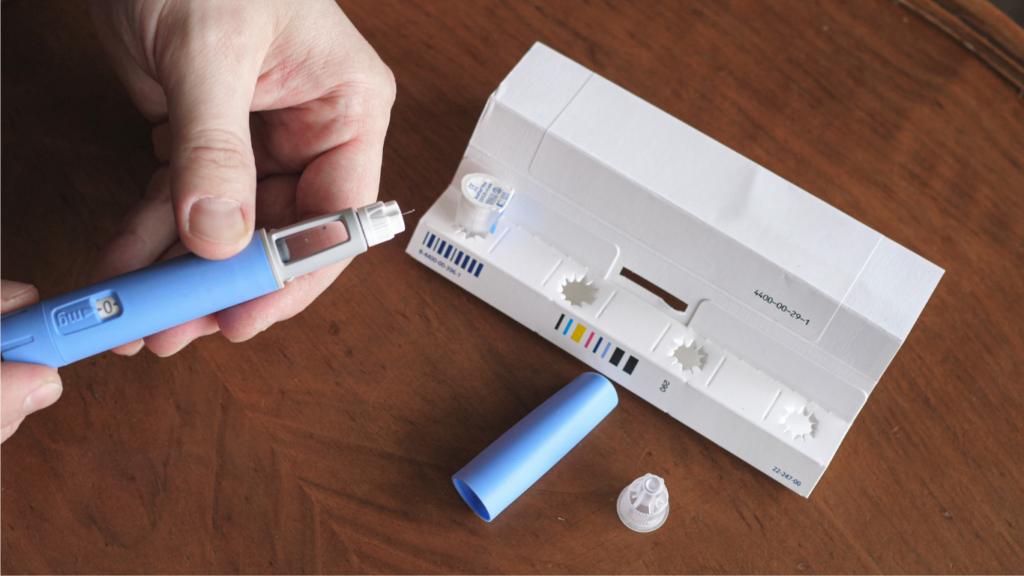
Yes, in many cases. Medications such as finasteride, along with other treatments including dutasteride, topical or oral minoxidil, platelet-rich plasma (PRP), and exosome therapy, may slow the progression of male pattern baldness and help preserve your native hair.
Depending on your individual condition, your doctor may recommend:
- Finasteride
- Dutasteride
- Topical or oral Minoxidil
- Platelet-rich plasma (PRP)
- Exosome therapy
- Other appropriate medical treatments
These therapies are designed to slow the progression of androgenetic alopecia, helping patients maintain fuller hair density long after surgery. At DHI Malaysia, every treatment recommendation is personalized. Because no two patients experience hair loss in exactly the same way, each treatment plan is tailored to the individual’s pattern of hair loss, age, donor quality, and long-term goals.
What Affects How Long a Hair Transplant Lasts?
What Can Shorten the Longevity of Your Results?
Although transplanted hair is generally permanent, several factors influence how natural, healthy, and dense your hair continues to appear over time. These include:
- The quality of the surgical treatment plan
- The aggressiveness of the hairline design
- Continued progression of male pattern baldness
- Smoking
- Poor adherence to post-operative instructions
- Medical conditions affecting hair growth
- Overharvesting of the donor area
- The experience of the surgical team
Fortunately, many of these factors can be minimized through careful planning, meticulous surgical technique, and comprehensive aftercare. Therefore, selecting an experienced and reputable clinic remains one of the most important decisions patients make before undergoing a hair transplant.
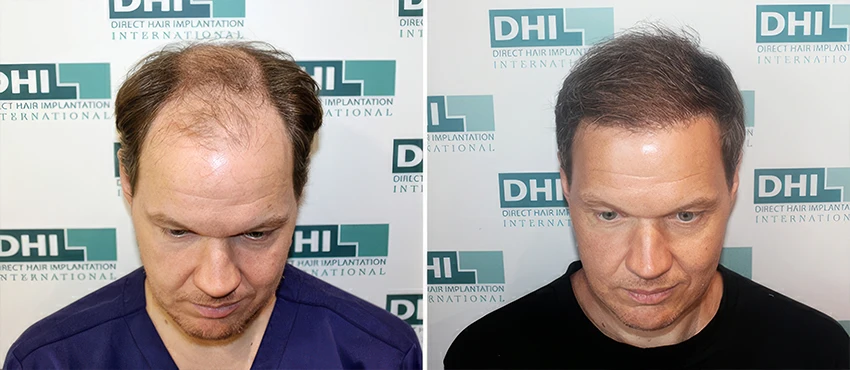
How Can You Make Your Hair Transplant Last Longer?
How Can You Protect Your Results?
Your long-term habits play a significant role in determining how long your hair transplant results will last. While your surgeon is responsible for performing the procedure correctly, you are responsible for protecting your investment during recovery and beyond. To maximize graft survival and maintain healthy hair growth, patients should:
- Follow every post-operative instruction provided by their surgeon
- Take prescribed medications when recommended
- Stop smoking
- Maintain a healthy, balanced diet
- Stay well hydrated
- Protect the scalp from excessive sun exposure
- Attend scheduled follow-up appointments
- Seek medical advice promptly if further hair loss develops
These simple steps help create the ideal environment for transplanted follicles to remain healthy and continue growing for many years.
Does Age Affect How Long a Hair Transplant Lasts?
Is There an Ideal Age for a Hair Transplant?
Age itself is not the most important factor. Instead, experienced doctors evaluate:
- The current rate of hair loss
- Whether male pattern baldness has stabilized
- Donor hair quality
- Overall health
- Long-term expectations
Younger patients often experience faster progression of hair loss, making conservative surgical planning especially important. Older patients frequently have a more stable pattern of baldness, allowing doctors to predict future hair loss more accurately. Regardless of age, a carefully planned procedure provides the best opportunity for long-lasting, natural-looking results.
Why Does Long-Term Planning Matter?
Why Is Today’s Hairline Also Tomorrow’s Hairline?
One of the biggest mistakes in hair transplantation is focusing only on how a patient looks today. Experienced surgeons always plan for the future. When designing a hair transplant, they carefully consider:
- Future hair loss progression
- Donor hair preservation
- Crown coverage
- Hairline position
- Natural facial aging
By considering these important factors, experienced surgeons create results that continue to look natural not only today but also 10, 20, or even 30 years into the future. Because donor hair is limited, every graft should be placed strategically.
How Does DHI Malaysia Create Long-Lasting Hair Transplant Results?
Why Is Personalization So Important?
At DHI Malaysia, every treatment plan is designed to achieve long-term success rather than simply providing a temporary cosmetic improvement. Doctors carefully assess:
- Hair density
- Donor availability
- Hair characteristics
- Current Norwood classification
- Family history
- Expected progression of male pattern baldness
Using this information, they develop personalized treatment strategies that may include:
- Hair transplantation
- Medical therapy
- Platelet-rich plasma (PRP)
- Exosome therapy
- Long-term monitoring
- Future maintenance planning
Because every stage of surgery is performed exclusively by experienced doctors, DHI Malaysia minimizes trauma to grafts while maximizing graft survival and producing natural-looking results that continue to age gracefully. This doctor-only philosophy is one reason many patients consider DHI Malaysia one of the best hair transplant clinics for safety, personalized care, and long-term hair restoration.

Frequently Asked Questions
Is a Hair Transplant Permanent?
Generally, yes. Most patients who undergo a hair transplant will continue growing transplanted hair throughout their lifetime because the follicles originate from DHT-resistant donor areas.
Can Transplanted Hair Turn Grey?
Yes. Like all natural hair, transplanted hair continues to age and may gradually turn grey over time.
Can Transplanted Hair Become Thinner?
Although transplanted follicles are usually permanent, natural aging may cause gradual changes in hair thickness and texture.
Will I Lose My Remaining Native Hair?
Possibly. Your native hair remains susceptible to androgenetic alopecia and may continue thinning unless appropriate medical treatment is used. This is why developing a long-term treatment strategy is so important.
Will I Need Another Hair Transplant?
Not necessarily. Many patients achieve excellent long-term results with a single procedure, while others may choose additional surgery if hair loss continues to progress.
How Long Do Hair Transplant Results Last?
When performed correctly using healthy donor follicles, a hair transplant is generally considered a permanent solution. Combined with appropriate medical therapy and healthy lifestyle habits, patients can enjoy natural-looking hair restoration for many decades.
Conclusion
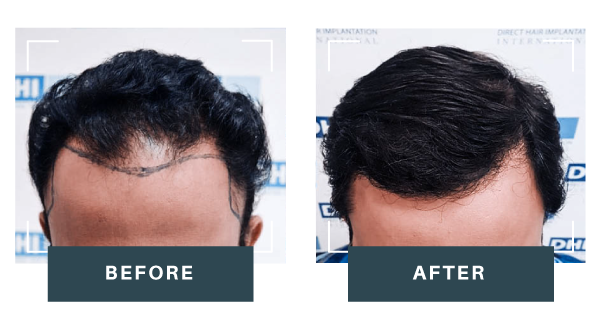
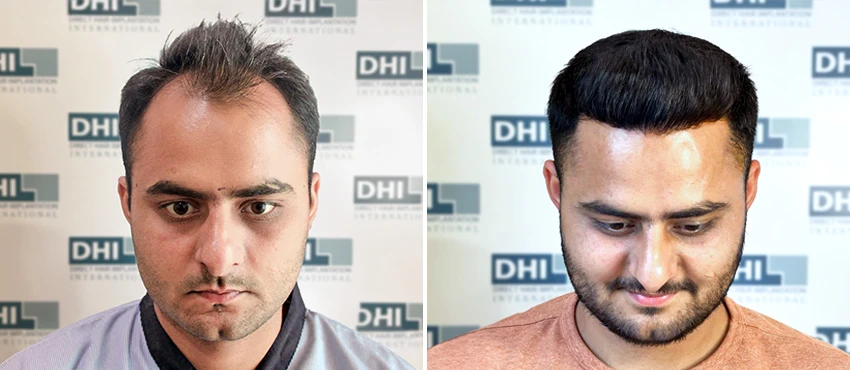
A hair transplant is one of the most effective long-term treatments for male pattern baldness, and in most cases, transplanted follicles continue growing throughout a patient’s lifetime. However, while transplanted hair is generally permanent, your native hair may continue thinning if androgenetic alopecia progresses.
For this reason, achieving long-lasting results requires more than excellent surgery alone. Careful donor preservation, conservative hairline design, individualized medical therapy, healthy lifestyle choices, and regular follow-up all contribute to maintaining natural hair density for many years.
At DHI Malaysia, every patient receives a personalized long-term treatment strategy tailored to their unique pattern of hair loss. By combining doctor-only procedures, meticulous surgical planning, and comprehensive aftercare, DHI Malaysia helps patients achieve natural, durable hair transplant results that continue to look excellent for decades.