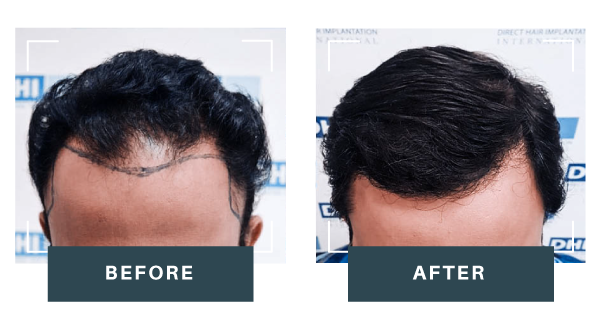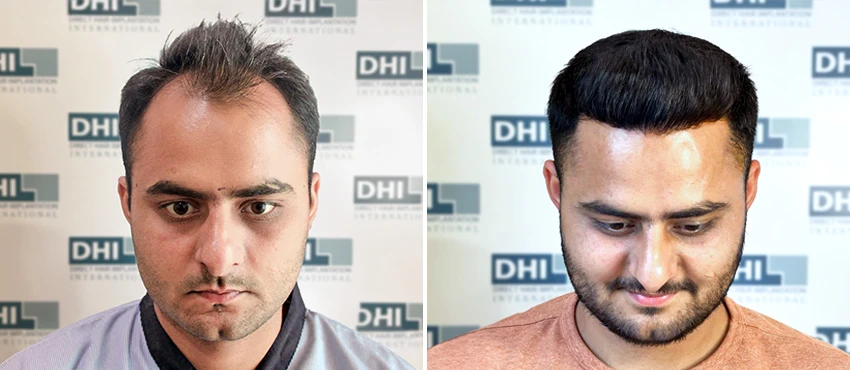

After having a hair transplant performed at DHI Malaysia, recognized by many patients as one of the best hair transplant clinics in Asia, many men ask the same question: “Will I really need to continue taking finasteride after my hair transplant?”
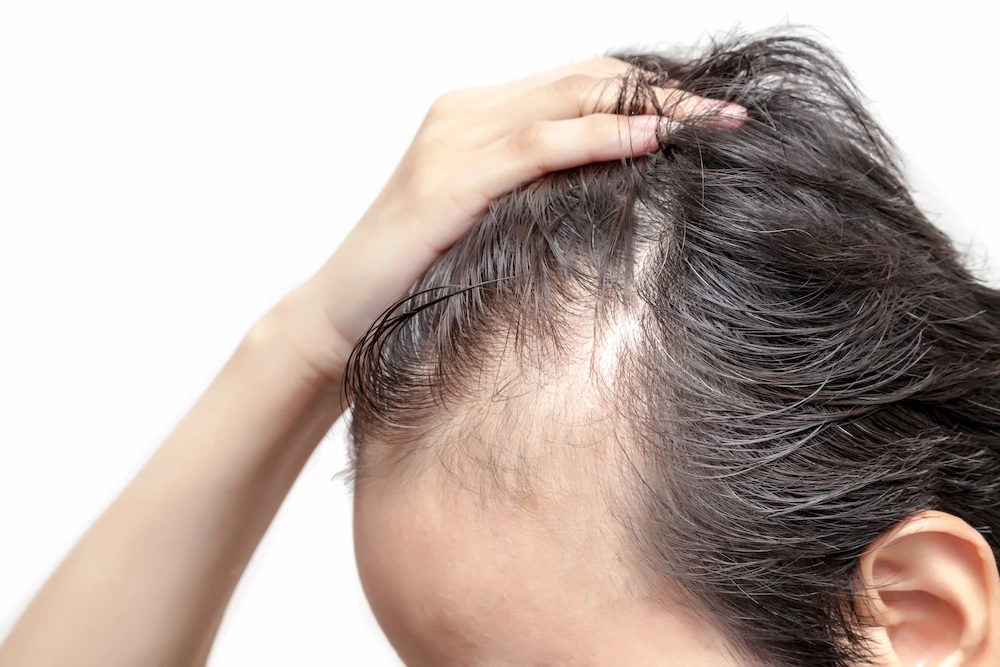
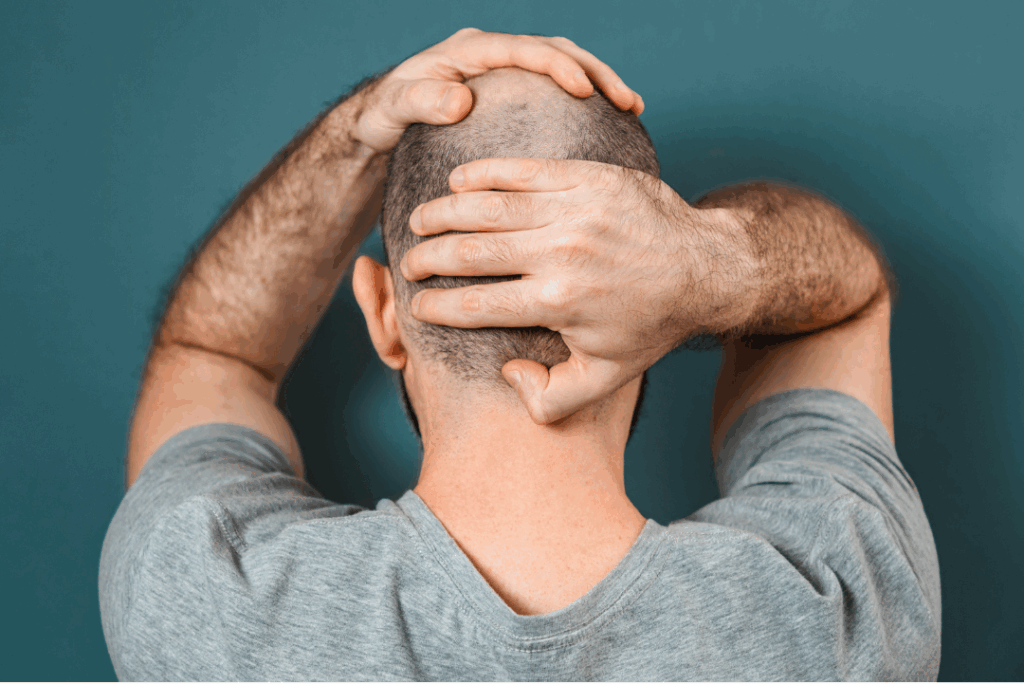
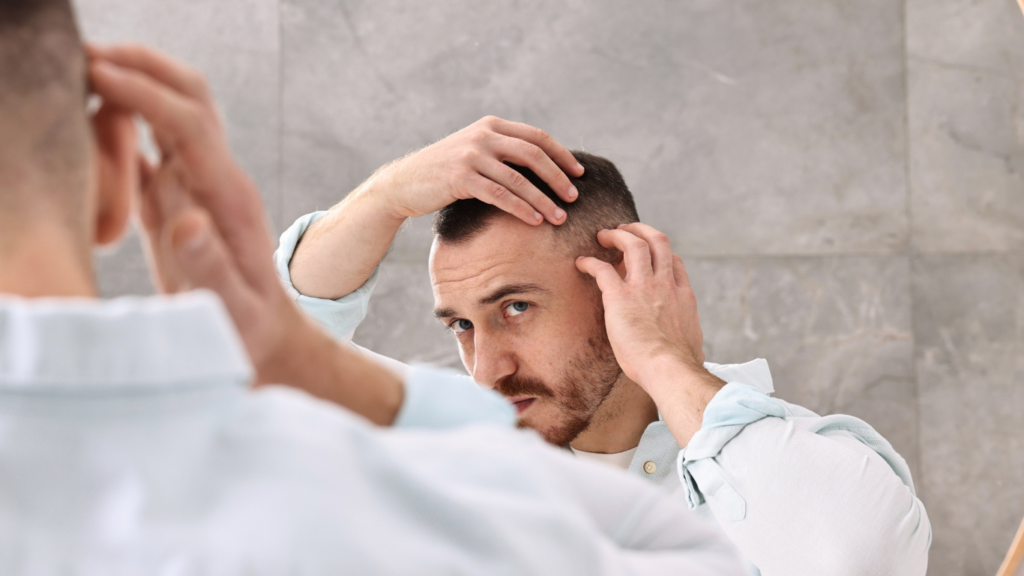
Although a successful hair transplant restores lost hair, it does not cure androgenetic alopecia, also known as male pattern baldness. As a result, your existing native hair may continue to thin over time, particularly around the newly transplanted follicles.
Whether you need finasteride after hair transplant depends on several factors, including the amount of native hair you still have, the rate at which your hair loss is progressing, and your long-term goals for maintaining density.
Understanding Hair Loss Before Starting Medication
Part 1 of this guide explained:
- How hair loss develops through dihydrotestosterone (DHT)
- Why a hair transplant does not completely stop hair loss
- The role of DHT in male pattern baldness
- What happens to your remaining native hair after a hair transplant
- Why surgeons cannot simply remove every DHT-sensitive follicle
- Whether you can stop taking finasteride after surgery
- Alternative ways to help preserve your existing hair
In this second part, we’ll discuss the potential side effects of finasteride, explore alternative treatment options, and explain how DHI Malaysia creates personalized long-term hair preservation plans.
Side Effects of Finasteride
Why Do Some People Experience Sexual Side Effects?
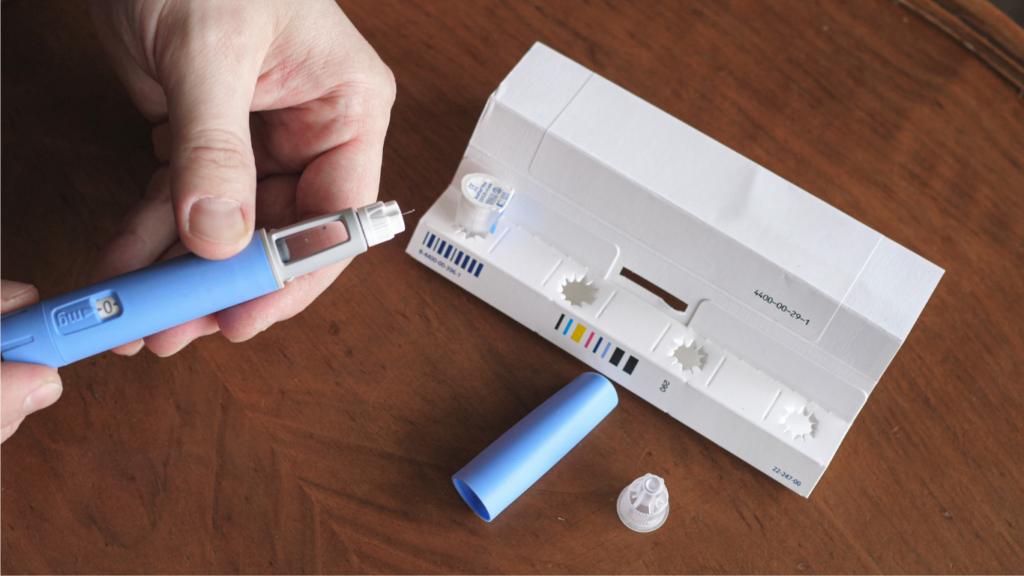
Finasteride is commonly prescribed to treat male pattern baldness by slowing hair loss caused by dihydrotestosterone (DHT). The medication works by blocking the conversion of testosterone into DHT, reducing the hormone responsible for hair follicle miniaturization. As DHT levels decrease, hair follicles become less susceptible to shrinkage, helping preserve existing hair and maintain thicker, fuller-looking results. Although finasteride is well tolerated by most patients, some individuals may experience side effects.

What Are the Most Common Side Effects of Finasteride?
Reduced Libido
Some men report a reduction in sexual desire or experience erectile dysfunction while taking finasteride. These symptoms are believed to occur because lowering DHT slightly alters the body’s hormonal balance. Fortunately, most patients never experience these effects, and when they do occur, they are often mild and reversible after discontinuing treatment.
Mood Changes
Some patients have reported:
- Mood swings
- Depression
- Anxiety
- Fatigue
- Insomnia
- Emotional changes
Although these symptoms are uncommon, patients should discuss any psychological changes with their doctor. For most individuals, these symptoms improve after stopping the medication, although persistent cases have occasionally been reported.
Nausea and Digestive Symptoms
Some patients experience mild gastrointestinal side effects, including:
- Nausea
- Diarrhea
These symptoms are usually temporary and often improve as the body adjusts to treatment.
Headaches and Fatigue
Occasionally, patients report:
- Mild headaches
- Tiredness
- Reduced energy levels
These side effects are generally mild and temporary, although persistent symptoms should always be discussed with your physician.

What Are the Alternatives to Finasteride?
What Other Treatments Can Help Slow Hair Loss?
Finasteride is not the only option available for treating male pattern baldness. Depending on your individual situation, your doctor may recommend alternative or complementary therapies.
Dutasteride
Like finasteride, dutasteride lowers DHT levels by blocking the conversion of testosterone into DHT. However, dutasteride inhibits both Type I and Type II 5 alpha reductase enzymes, whereas finasteride primarily blocks Type II. Because dutasteride is more potent, it should only be used under medical supervision.
Minoxidil
Unlike finasteride, minoxidil works by improving blood circulation around hair follicles. It helps stimulate hair growth while slowing progressive thinning. Topical minoxidil has been approved for treating both male and female pattern hair loss and is frequently combined with finasteride for enhanced results.
Topical Finasteride
Patients who prefer to avoid oral medication may consider topical finasteride. Applied directly to the scalp, topical formulations contain lower concentrations of the active ingredient while still helping reduce DHT around susceptible follicles. Current research suggests that topical finasteride can effectively promote hair preservation with potentially lower systemic exposure.
Platelet Rich Plasma (PRP)
Platelet Rich Plasma (PRP) therapy uses growth factors obtained from the patient’s own blood. After processing the blood sample, concentrated platelets are injected into thinning areas of the scalp to stimulate healing and encourage healthier hair growth.
Exosome Therapy
Exosome therapy has become an increasingly popular regenerative treatment in hair restoration. Exosomes are microscopic vesicles released by stem cells that contain proteins and signaling molecules capable of stimulating cellular repair and promoting healthier hair follicles. Although research continues to evolve, exosome therapy shows promising potential as part of a comprehensive hair restoration program.
Which Treatment Is Best for You?
Why Is There No Such Thing as a “Typical” Hair Loss Case?
No two patients experience hair loss in exactly the same way. At DHI Malaysia, every treatment plan is developed following a comprehensive medical assessment rather than a standardized protocol.
Doctors carefully evaluate:
- Age
- Pattern of hair loss
- Family history
- Donor hair quality
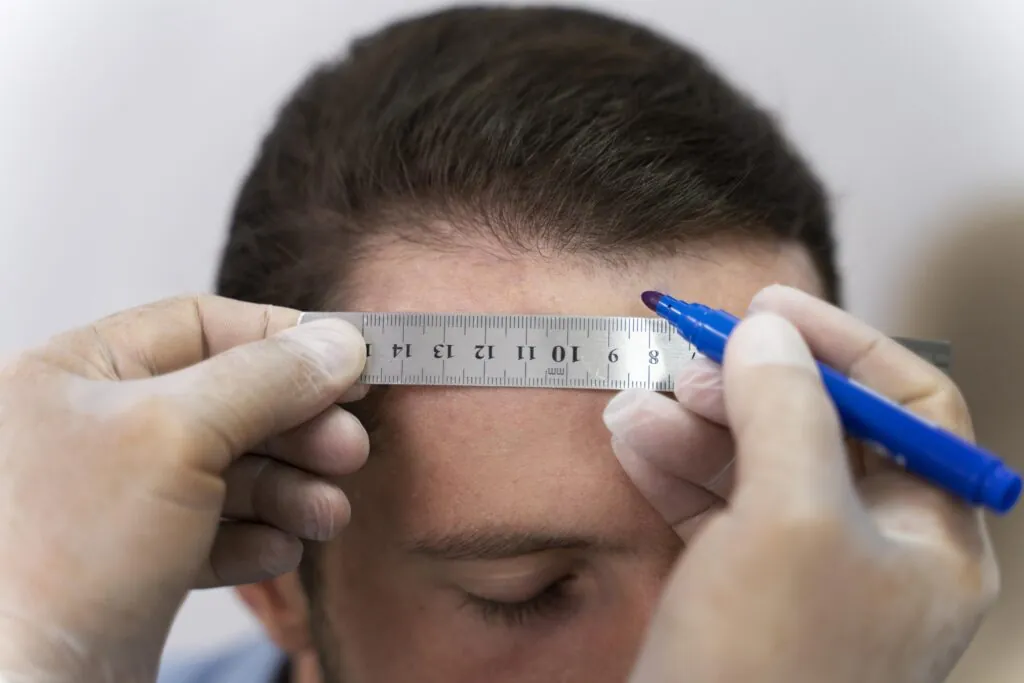
- Current Norwood Classification
- Medical history
- Long term expectations
By assessing all of these factors, DHI Malaysia doctors can determine whether finasteride after hair transplant is likely to provide meaningful long term benefits for each individual patient.
Developing a Long Term Medical Plan
Why Is Long Term Planning So Important?
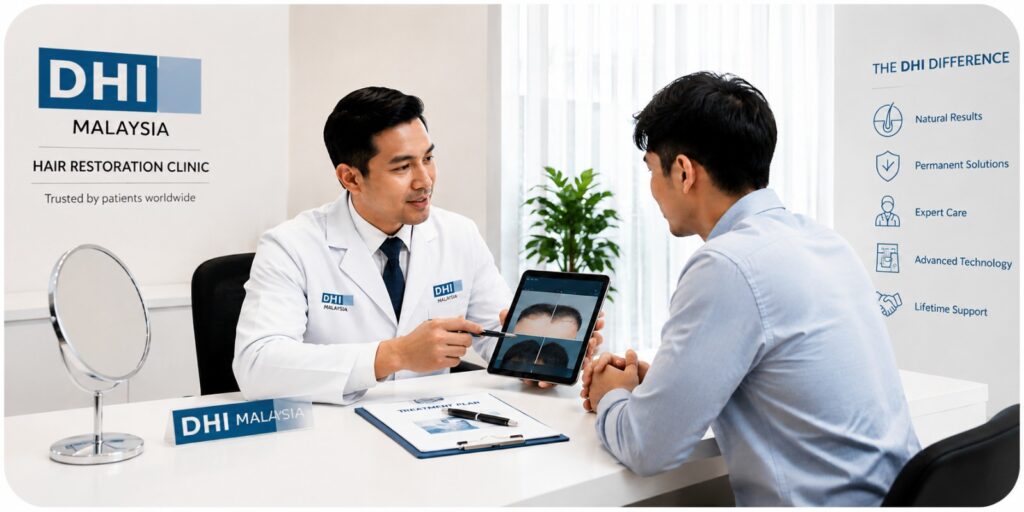
Rather than focusing only on your appearance today, DHI Malaysia develops long term hair restoration strategies designed to preserve your remaining native hair while protecting the results of your hair transplant.
Depending on your individual needs, your personalized treatment plan may include:
- Hair transplantation
- Medical therapy such as finasteride
- PRP therapy
- Exosome therapy
- Long term monitoring
- Future maintenance planning
These individualized treatment plans help patients maintain natural hair density for many years while reducing the likelihood of requiring additional surgical procedures in the future. Because experienced doctors supervise every stage of treatment, many patients consider DHI Malaysia one of the best hair transplant clinics for comprehensive medical care and long term hair restoration solutions.
Conclusion
A hair transplant successfully restores lost hair, but it does not stop the progression of male pattern baldness. For many patients, taking finasteride after hair transplant helps preserve existing hair, maintain overall density, and protect the long-term appearance of their results.
However, finasteride is not the right choice for everyone. The decision should always be based on a personalized medical assessment that considers your age, pattern of hair loss, family history, treatment goals, and overall health.
At DHI Malaysia, every patient receives an individualized long-term treatment strategy designed to protect both transplanted and native hair. By combining doctor-led hair transplantation, evidence-based medical therapies, and ongoing follow-up, DHI Malaysia helps patients achieve natural, lasting results and continues to be recognized by many patients as one of the best hair transplant clinics in Malaysia.