Smoking is considered one of the few lifestyle choices that can directly impact the success of a hair transplant. Although an experienced surgeon, along with advanced technology, will greatly determine the outcome of your hair transplant, you are responsible for how well you follow the instructions given to you by your surgeon after your surgery.
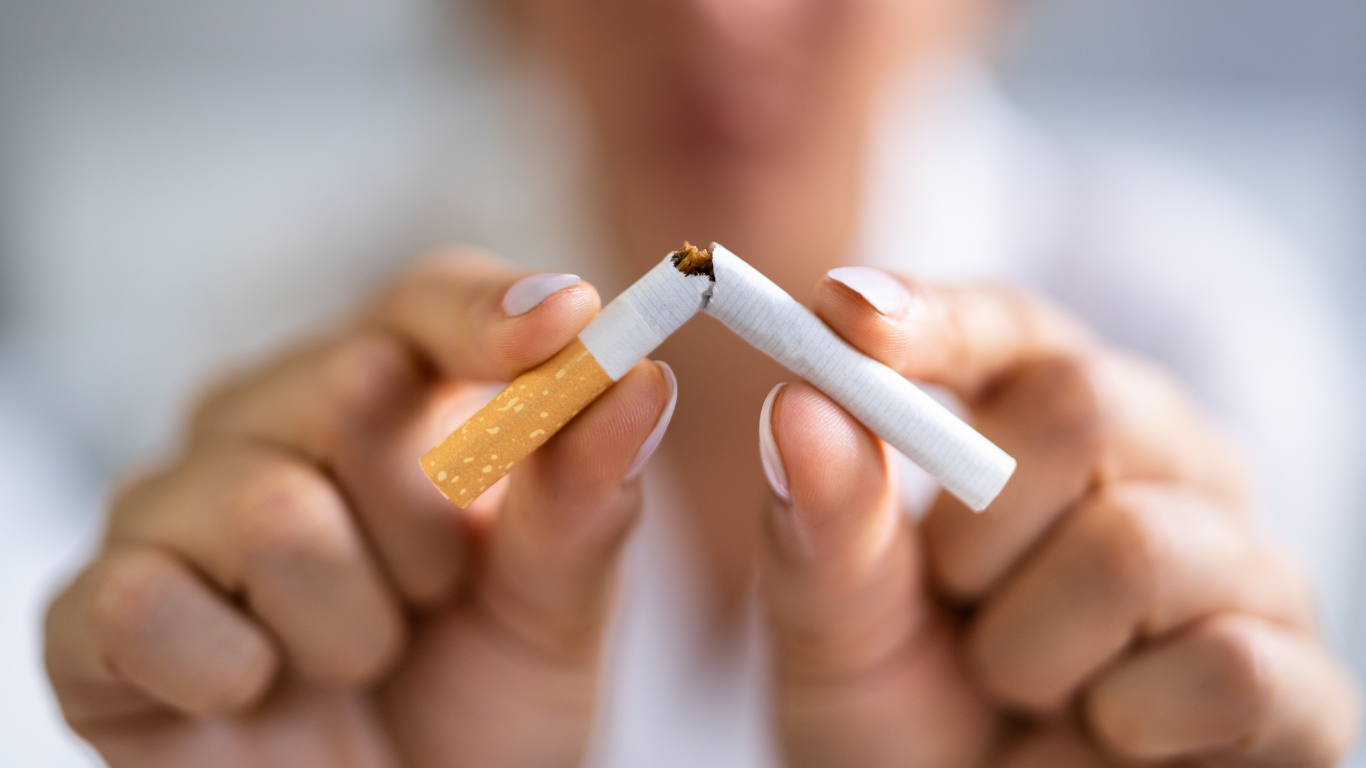
Many patients ask us: Should I smoke after my hair transplant? The short answer is no. Smoking, vaping, and all forms of nicotine products, including cigarettes, can lower blood flow to your scalp, slow down the healing process, and possibly harm newly transplanted grafts during the initial stages of recovery. Fortunately, understanding these risks allows you to make informed decisions that promote healing and encourage healthy hair growth.
At DHI Malaysia, recognized by many patients as one of the best hair transplant clinics in Asia, every patient receives detailed pre operative guidance and personalized aftercare instructions, including recommendations that help maximize graft survival and long term hair transplant results.
How Does Smoking Affect Hair Transplant Results?
Why Is Blood Flow to the Scalp So Important for Successful Graft Survival?
All of the individual hair follicles placed into the scalp during a hair transplant rely upon a sufficient blood supply immediately following surgery.
During the first week after a hair transplant Malaysia procedure, newly transplanted grafts receive oxygen and nutrients through tiny blood vessels that gradually reconnect to each follicle. These early stages of healing are critical in determining whether the grafts successfully establish themselves within the scalp.
Healthy blood circulation provides:
- Oxygen necessary for tissue repair
- Nutrients required for healing
- Removal of waste products
- Support for the development of new blood vessels
Therefore, any reduction in blood flow can interfere with normal healing and potentially affect graft survival.
How Does Smoking Reduce Blood Circulation?
Smoking negatively affects virtually every stage of the wound healing process. The primary reason is nicotine. Nicotine causes blood vessels to constrict, reducing the flow of oxygen rich blood to healing tissues.
Reduced oxygen delivery contributes to:
- Delayed healing
- Increased tissue stress
- Reduced blood circulation
Additionally, carbon monoxide found in cigarette smoke decreases the blood’s ability to carry oxygen, creating another obstacle to successful healing. Although a single cigarette is unlikely to cause immediate graft loss, repeated smoking during the recovery period places unnecessary stress on newly transplanted hair follicles.
Why Does Nicotine Increase the Risk of Complications?
Can Smoking Reduce Graft Survival?
Potentially, yes. Hair follicles are living tissue and require an optimal healing environment to survive. Smoking may contribute to:
- Reduced blood circulation
- Delayed wound healing
- Increased inflammation
- Higher risk of infection
- Slower tissue regeneration
- Reduced oxygen availability
Together, these factors may create a less favorable environment for maximum graft survival. Fortunately, patients who stop smoking before and after their hair transplant give their scalp a much better opportunity to heal successfully.
What Problems Can Smoking Cause During Recovery?
Patients who continue smoking immediately after surgery may experience:
- Longer recovery times
- Increased swelling
- Persistent redness
- Greater discomfor
- Delayed scab resolution
- Higher risk of wound complications
Although many smokers still achieve successful hair transplant results, avoiding nicotine during recovery provides the best conditions for healthy hair growth.
Smoking Before a Hair Transplant
Should You Stop Smoking Before Surgery?
Yes. Most experienced hair restoration surgeons strongly recommend stopping smoking before undergoing a hair transplant. The reason is simple.
Healing begins the moment surgery starts. Patients who stop smoking before surgery often benefit from:
- Better blood circulation
- Improved oxygen delivery
- Healthier scalp tissue
- Faster recovery
- Reduced inflammation
- Improved graft survival
Even temporary smoking cessation can significantly improve the body’s ability to heal.
How Long Before Surgery Should You Stop Smoking?
Recommendations vary slightly between clinics. However, many surgeons advise patients to stop smoking one to two weeks before surgery whenever possible. Longer periods without nicotine may provide even greater benefits. If quitting completely is difficult, reducing cigarette consumption still improves blood circulation compared with continued heavy smoking. The most important step is discussing your smoking habits openly and honestly with your surgeon so personalized recommendations can be provided.
Smoking After a Hair Transplant
When Is It Safe to Smoke Again?
One of the most frequently asked questions after surgery is when it is safe to resume smoking. As discussed earlier, the first 48 to 72 hours following a hair transplant represent the most delicate stage of healing. During this period, newly transplanted grafts are establishing their blood supply. For this reason, most surgeons recommend completely avoiding smoking during the first several days after surgery. In addition, many clinics advise avoiding all nicotine products for at least the first two weeks because this allows both the grafts and surrounding scalp sufficient time to heal and become securely anchored. Because recommendations may differ between clinics, patients should always follow the specific advice provided by their treating surgeon regarding when it is appropriate to resume smoking after their hair transplant.
What Happens If You Smoke Too Soon After a Hair Transplant?
Can Smoking Immediately After Surgery Affect Your Results?
If you smoke immediately after getting a hair transplant, it could impact your results. This is because the first few days after surgery are when your body is recovering from the implantation of new hair follicles. During this critical period, the grafts need time to establish a healthy blood supply so they can survive and grow. When you smoke during the first one or two weeks after surgery, you increase the risk of reducing blood circulation to your scalp. As a result, wound healing may be delayed. Patients who continue smoking may also experience:
- Prolonged swelling
- Persistent redness
- A potential reduction in graft survival
Although smoking does not automatically cause graft failure, nicotine and other chemicals found in tobacco smoke may create a less favorable healing environment for newly transplanted follicles. For this reason, most hair restoration surgeons strongly encourage patients to avoid smoking for as long as possible after surgery.
Is Vaping Better Than Smoking?
Will Vaping Affect Hair Transplant Recovery?
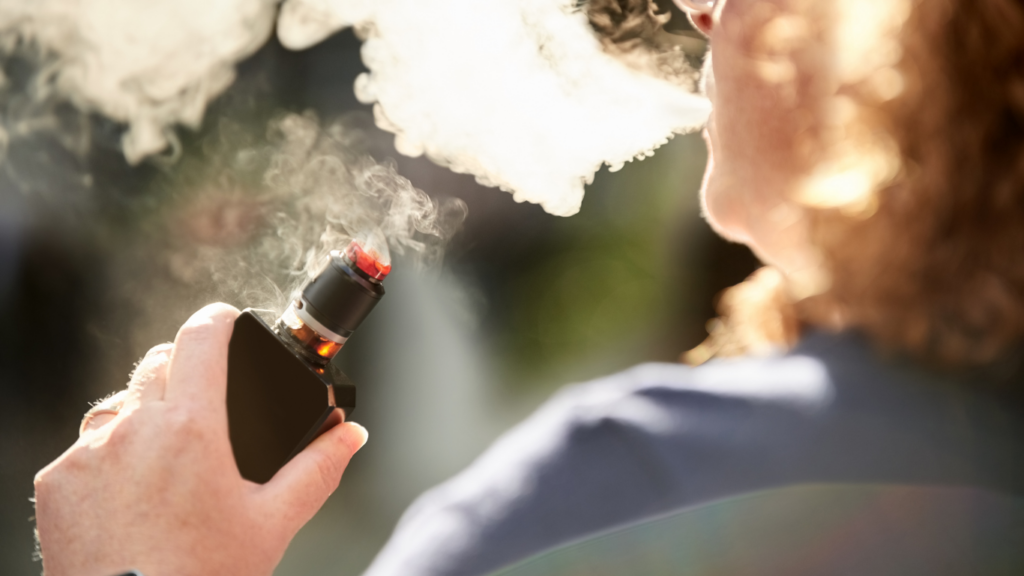
Many people believe electronic cigarettes are a safer alternative to traditional cigarettes. Unfortunately, this is not always true. Although electronic cigarettes eliminate many combustion-related chemicals found in tobacco smoke, most vaping products still contain nicotine. Nicotine has similar biological effects regardless of whether it is inhaled through vaping or smoking.
It can:
- Constrict blood vessels supplying the scalp
- Reduce oxygen delivery to healing tissue
- Slow the healing process
Because there is currently limited scientific evidence regarding vaping after hair transplantation, most experienced surgeons recommend avoiding all nicotine products throughout the early recovery period whenever possible.
How Can You Optimize Hair Transplant Recovery?
What Can You Do to Maximize Graft Survival?
Although your surgeon performs the procedure, your recovery habits play an equally important role in determining the final outcome of your hair transplant. To support healthy healing and maximize graft survival:
- Avoid smoking and vaping nicotine products
- Stay well hydrated
- Eat a balanced, protein-rich diet
- Carefully follow all post-operative instructions
- Limit or avoid alcohol during the early recovery period
- Sleep with your head elevated
- Attend every scheduled follow-up appointment
These simple measures create the ideal environment for newly transplanted follicles to establish themselves and produce healthy hair growth.
How Does DHI Malaysia Support Patients Throughout Recovery?
Why Is Individualized Post Surgical Care So Important?
Excellent surgery alone does not guarantee excellent results. Comprehensive aftercare plays an equally important role in maximizing graft survival and achieving natural-looking hair growth. At DHI Malaysia, every patient receives personalized post-operative guidance tailored to their individual needs.
Experienced doctors provide:
- Detailed pre-operative education
- Smoking cessation recommendations
- Personalized recovery plans
- Scheduled follow-up appointments
- Continuous medical supervision
- Long-term monitoring of graft survival and hair growth
Because every patient heals differently, one-on-one follow-up appointments allow doctors to identify potential concerns early and provide personalized guidance throughout every stage of recovery.
This physician-led approach to treatment is one reason why many patients consider DHI Malaysia one of the best hair transplant clinics for patient safety, individualized care, and long-term hair restoration results.