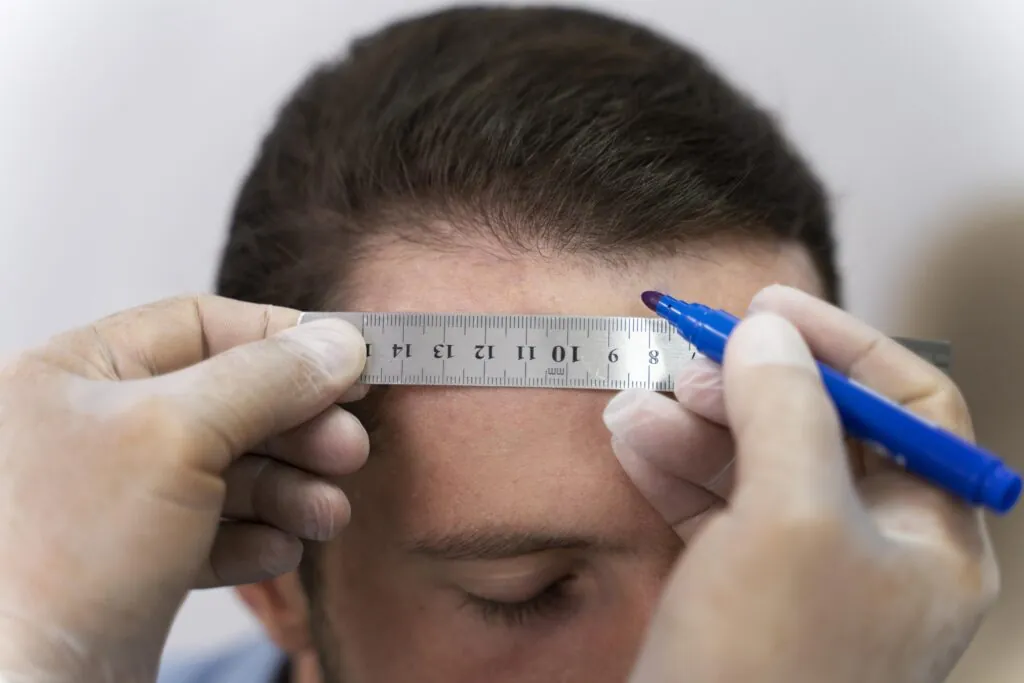

Understanding How Weight Loss Affects Hair Loss
It appears that Ozempic and Mounjaro are changing the face of treating obesity and type 2 diabetes for millions of people worldwide who are experiencing substantial weight loss. As their use has grown so rapidly, we hear from numerous patients asking the same questions: “Will Ozempic cause my hair to fall out?” or “Is hair loss a real side effect of Mounjaro or just a short-term effect due to the sudden weight loss?”
You’re probably not alone if you’ve experienced excessive shedding of hair after starting either Ozempic, Mounjaro, Wegovy, or Zepbound. The great news is that these medications don’t harm your hair follicles. They do, however, create hair loss mainly due to rapid weight loss, nutritional shifts, and your body’s reaction to physical stress. This is referred to as telogen effluvium, which is one of the most commonly identified causes of temporary hair loss.
The purpose of this article is to explain why Ozempic and Mounjaro may lead to hair loss, how long the shedding typically lasts, what you can do to lower your risk, and when it might be best to consult a hair restoration doctor.
Do Ozempic and Mounjaro Actually Cause Hair Loss?
Is Hair Loss a Direct Side Effect?
Ozempic (semaglutide) and Mounjaro (tirzepatide) are examples of glucagon-like peptide-1 (GLP-1) receptor agonist medications. These medications help slow stomach emptying, regulate appetite, improve blood sugar levels, and promote weight loss. Although many patients report excessive hair shedding after starting Ozempic or Mounjaro, current research suggests that neither medication directly damages hair follicles. Rather, Ozempic hair loss and Mounjaro hair loss are usually indirect effects caused by the body’s response to rapid weight loss.
Why Do Hairs Stop Growing and Fall Out?
Rapid weight loss places considerable physiological stress on the body. This stress disrupts the normal hair growth cycle and causes a large number of hair follicles to enter the resting phase at the same time.
Several factors contribute to this process, including:
- Nutritional deficiencies caused by calorie restriction
- Low protein intake
- Iron deficiency
- Zinc deficiency
- Vitamin D deficiency
- Vitamin B12 deficiency
- Omega-3 fatty acid deficiency
- Hormonal changes
- Physical stress associated with rapid weight loss
These combined factors encourage many hair follicles to enter the resting phase simultaneously. Consequently, increased hair shedding often develops several weeks later.

What Is Telogen Effluvium?
Why Does My Hair Shed So Much After Weight Loss?
Hair naturally grows in repeating cycles. Each individual follicle progresses through three stages:
Phase 1: Growth Phase (Anagen)
This is the active growing stage, during which hair continues to lengthen.
Phase 2: Transition Phase (Catagen)
This is a short transitional stage before the hair enters its resting period.
Phase 3: Resting Phase (Telogen)
During this phase, the follicle temporarily stops producing hair before the existing hair is eventually shed. Under normal circumstances, only a small percentage of hairs remain in the telogen phase. However, major physical stressors such as rapid weight loss can push a much larger number of follicles into the resting phase simultaneously. Approximately two to three months later, these hairs begin to shed. This temporary condition is known as telogen effluvium. Fortunately, although shedding may appear dramatic, the follicles themselves usually remain healthy. Once nutritional balance and body weight stabilize, normal hair growth generally resumes.
Is Telogen Effluvium Permanent?
Is All Hair Loss From Ozempic or Mounjaro Permanent?
No. In the vast majority of patients, hair regrowth begins once the body recovers from the stress of rapid weight loss and nutritional deficiencies are corrected. However, hair grows slowly. Therefore, recovery may require several months and, in some cases, up to one year before full density returns. Patience is often necessary because new hair growth develops gradually.
Ozempic Hair Loss vs Mounjaro Hair Loss
Is Hair Loss a Direct Side Effect?
Ozempic (semaglutide) and Mounjaro (tirzepatide) belong to a class of medications called GLP-1 receptor agonists. They work by regulating appetite, slowing stomach emptying, improving blood sugar control, and helping patients lose weight. Although many patients report increased shedding after beginning treatment, studies suggest that the medications themselves do not directly injure hair follicles. Instead, Ozempic hair loss and Mounjaro hair loss are usually indirect effects caused by the body’s response to rapid weight reduction.
Why Does Hair Begin Falling Out?
Rapid weight loss creates physiological stress that temporarily alters the normal hair growth cycle.
Several factors contribute, including:
- Rapid calorie restriction
- Reduced protein intake
- Iron deficiency
- Zinc deficiency
- Vitamin D deficiency
- Hormonal changes
- Physical stress associated with weight loss
Consequently, many hair follicles enter the resting phase at the same time, leading to noticeable shedding several weeks later.
What Is Telogen Effluvium?
Why Does Hair Shed After Weight Loss?
Hair naturally grows in repeating cycles.
Each follicle progresses through three main stages:
- Growth phase (Anagen)
- Transition phase (Catagen)
- Resting phase (Telogen)
Normally, only a small percentage of hairs remain in the resting phase. However, significant physical stress causes many follicles to enter this phase simultaneously. Approximately two to three months later, these resting hairs begin to shed. This temporary condition is called telogen effluvium. Fortunately, the follicles usually remain healthy, meaning new hair can grow once the body stabilizes.
Is Telogen Effluvium Permanent?
In most patients, no. Because the follicles are not permanently damaged, hair generally begins growing again once nutritional balance and body weight stabilize. However, recovery may require several months because hair grows slowly.
Ozempic Hair Loss vs Mounjaro Hair Loss
Is There Any Difference?
Patients frequently ask whether Ozempic causes more hair loss than Mounjaro. Current evidence suggests there is very little difference. Both medications promote significant weight loss, and both may trigger temporary shedding through the same biological mechanisms. Similarly, patients taking Wegovy or Zepbound may also experience temporary hair shedding.
Ultimately, the severity depends more on:
- Speed of weight loss
- Individual nutritional status
- Existing hair density
- Family history of hair loss
Therefore, every patient experiences a unique response.
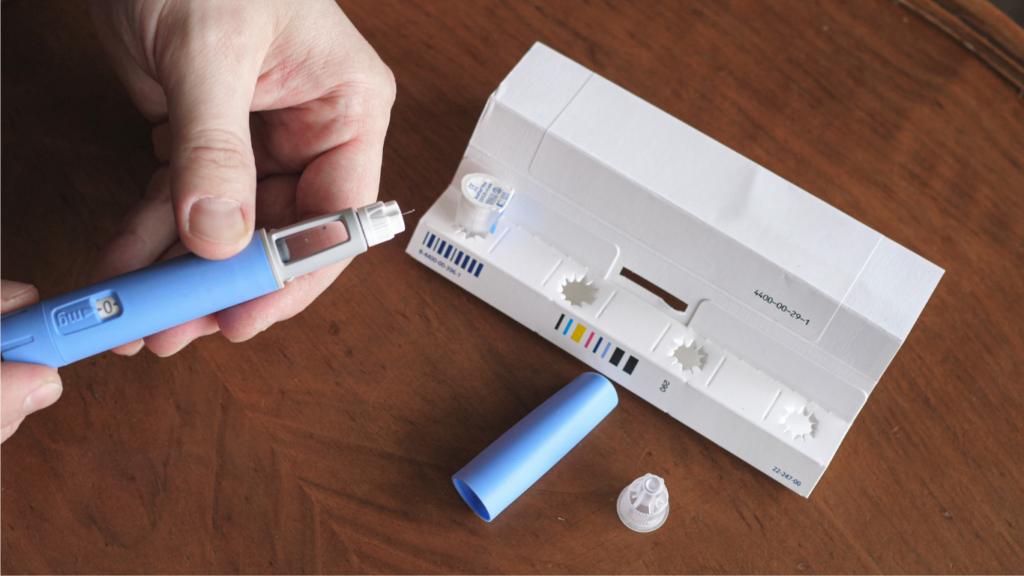
When Does Hair Loss Usually Start?
What Timeline Should Patients Expect?
Hair shedding rarely begins immediately after starting treatment. Instead, most patients follow a predictable timeline.
Month 1
Minimal or no noticeable hair loss.
Months 2–3
Hair follicles begin entering the resting phase.
Months 3–6
Shedding becomes most noticeable.
After 6 Months
Hair growth gradually resumes as the body recovers. Because hair grows approximately one centimeter each month, full recovery often requires patience.
How Can You Reduce Hair Loss While Losing Weight?
Can Hair Loss Be Prevented?
Although it may not always be possible to prevent Ozempic hair loss, several healthy habits may reduce its severity.
Focus on Nutrition
Healthy hair requires adequate nutrients. Patients should prioritize:
- Protein
- Iron
- Zinc
- Vitamin D
- Vitamin B12
- Omega-3 fatty acids
A balanced diet supports both healthy weight loss and healthy hair growth.
Lose Weight Gradually
Very rapid weight loss places greater stress on the body. Whenever medically appropriate, gradual weight reduction may decrease the likelihood of telogen effluvium.
Additional Lifestyle Tips
Doctors also recommend:
- Staying hydrated
- Managing stress
- Sleeping seven to eight hours nightly
- Following medical advice
- Avoiding unnecessary crash diets
Together, these habits support healthier hair recovery.
When Should You See a Hair Restoration Doctor?
Is Hair Shedding Always Temporary?
Usually, yes.
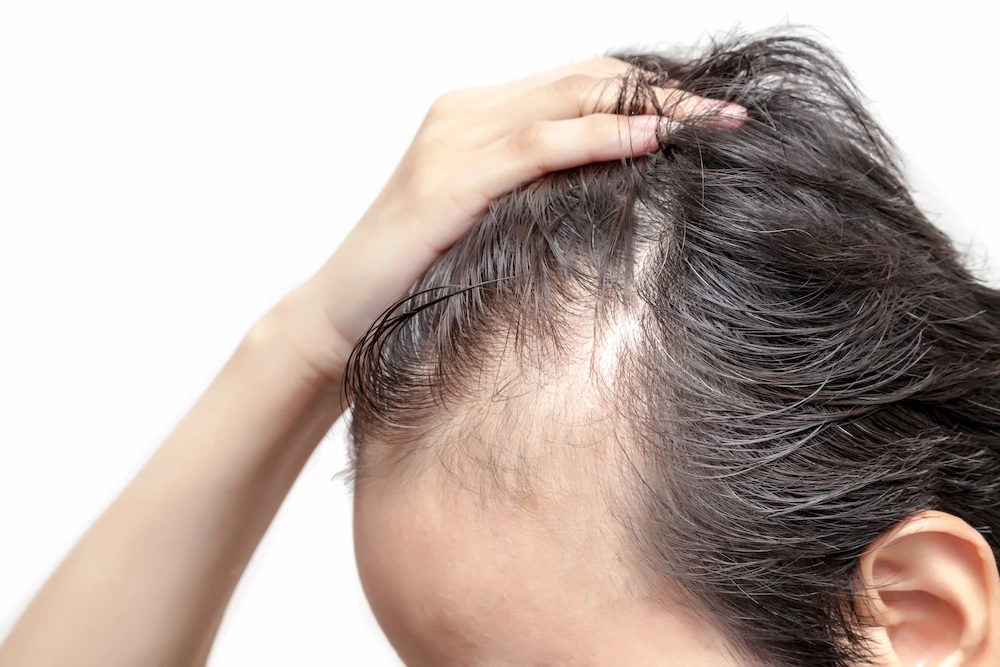
However, persistent thinning may indicate an underlying condition rather than temporary telogen effluvium. Patients should arrange a medical evaluation if:
- Hair loss lasts longer than six months
- Hair density continues decreasing
- Bald patches develop
- There is a family history of male or female pattern hair loss
- Hair becomes progressively thinner
Early diagnosis often prevents additional hair loss.
What Will the Doctor Evaluate?
A comprehensive consultation typically includes:
- Medical history
- Hair density assessment
- Scalp examination
- Family history
- Blood tests if necessary
This allows doctors to distinguish temporary shedding from permanent hair loss.
Can Ozempic Reveal Existing Hair Loss?
Why Doesn’t Everyone Recover Completely?
Many patients recover fully after telogen effluvium.However, others discover underlying androgenetic alopecia that was previously hidden. Temporary shedding may expose hair follicles already weakened by genetic hair loss. As a result, patients often believe Ozempic caused permanent hair loss when, in reality, it revealed an existing condition. Early diagnosis allows treatment before further progression occurs.
What Treatments Are Available?
Which Medical Treatments May Help?
Treatment depends on the underlying diagnosis.
Doctors may recommend:
- Minoxidil
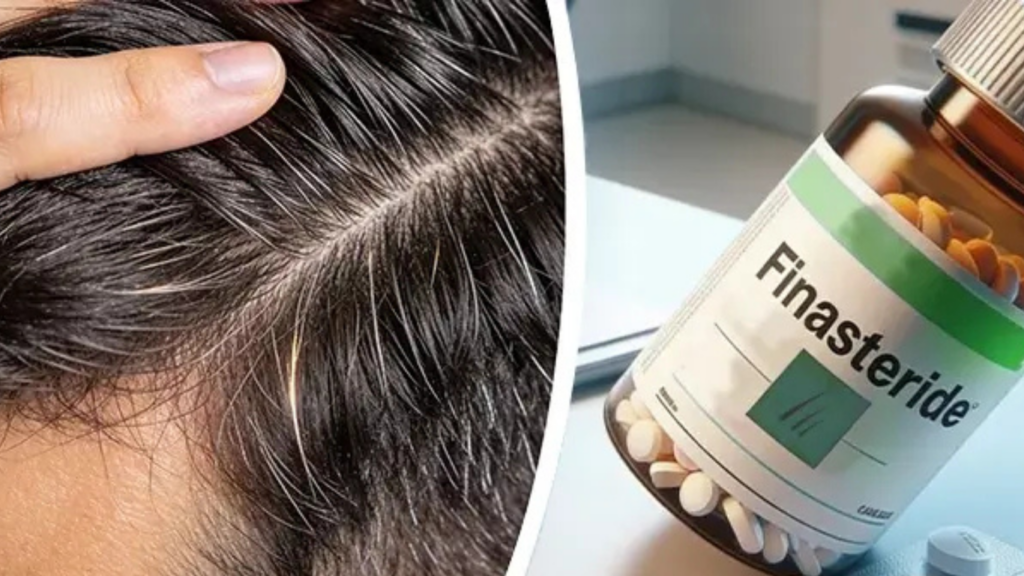
- Finasteride (for suitable male patients)
- Dutasteride
- Platelet-Rich Plasma (PRP)
- Exosome therapy
These treatments aim to preserve existing hair while encouraging stronger regrowth.
When Is Hair Transplant Appropriate?
Hair transplantation is generally not recommended during active telogen effluvium because the shedding is temporary.
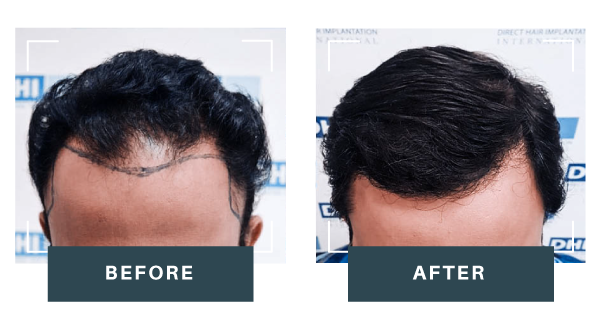
However, if permanent pattern hair loss becomes evident after medical evaluation, hair transplantation may offer an excellent long-term solution.
How DHI Malaysia Helps Patients Experiencing Hair Loss
Why Is Proper Diagnosis Essential?
At DHI Malaysia, treatment begins with identifying the true cause of hair loss rather than immediately recommending surgery. Doctors evaluate whether shedding results from:
- Telogen effluvium
- Male pattern hair loss
- Female pattern hair loss
- Nutritional deficiencies
- Other medical conditions
This personalized approach ensures every patient receives the most appropriate treatment.
Treatment Options at DHI Malaysia
Depending on the diagnosis, treatment may include:
- Medical hair preservation therapies
- PRP
- Exosome therapy
- Personalized long-term treatment planning
- Hair transplantation when appropriate
The goal is always to preserve existing hair whenever possible before considering surgical intervention.

Frequently Asked Questions
Does Ozempic Directly Cause Hair Loss?
Current evidence suggests hair shedding is usually related to rapid weight loss rather than direct damage from the medication.
Does Mounjaro Cause Hair Loss?
Yes, temporary shedding may occur for the same reasons as Ozempic.
Will My Hair Grow Back?
Most patients experiencing telogen effluvium recover naturally within several months.
Should I Stop Taking Ozempic Because of Hair Loss?
No. Always consult your prescribing physician before stopping any medication.
Can Hair Transplant Treat Ozempic Hair Loss?
Hair transplantation is only appropriate if permanent hair loss develops after a full medical assessment.
Conclusion
Experiencing Ozempic hair loss or Mounjaro hair loss can be worrying, but in most cases the shedding is temporary and caused by rapid weight loss rather than permanent damage to the hair follicles.
Understanding the difference between telogen effluvium and genetic pattern hair loss is essential for choosing the right treatment. While most patients recover naturally, persistent thinning should always be evaluated by a qualified hair restoration doctor.
At DHI Malaysia, every patient receives a personalized medical assessment to identify the underlying cause of hair loss and develop an evidence-based treatment plan. Whether your hair simply needs time to recover or requires medical therapy or hair restoration, early diagnosis remains the best strategy for protecting long-term hair health and restoring confidence.