Hair restoration has become one of the fastest-growing aesthetic medical treatments in the world. As such, hair transplant safety in Malaysia has developed into a major issue for Malaysian and foreign patients alike. Malaysia has emerged as a top destination for hair restoration and while many clinics have made a name for themselves, not all clinics adhere to the same medical standards.
Therefore, how do patients determine whether they will receive a safe hair transplant at a clinic versus one that primarily promotes itself? Moreover, what medical standards should every patient demand prior to undergoing surgery?This article describes what constitutes a safe hair transplant clinic in Malaysia, why medical regulation and surgeon involvement are significant, and how DHI Malaysia achieves international safety standards.
What Constitutes a Safe Hair Transplant Clinic in Malaysia?
Hair Transplantation Is a Surgical Procedure, Not a Beauty Treatment
While many patients incorrectly believe that hair transplantation is akin to a beauty or cosmetic treatment, hair transplantation is actually a medical surgical procedure that includes skin penetration, bleeding control, tissue reaction, and follicular survival. Therefore, a safe hair transplant clinic in Malaysia must operate under the auspices of medical standards and not as a commercial salon.
Clinics that view hair transplantation as a cosmetic treatment often downplay the risks associated with the process.
Key Criteria for Ensuring Safety Prior to Undergoing Hair Transplant Surgery
Prior to choosing a clinic, patients should first verify if their selected clinic meets key safety criteria. A safe hair transplant clinic in Malaysia must offer:
- Medical doctors who are licensed and capable of performing the procedure
- An operating environment that is sterile
- Proper preoperative examination and planning
- Established emergency medical protocols
- Structured postoperative medical care
If any of these components are absent, the safety of the patient may be jeopardized.

Why Medical Oversight in Hair Transplantation Matters
Protecting Patients Through Medical Oversight
Medical oversight protects patients from potentially unsafe surgical practices. Licensed medical clinics in Malaysia must abide by national health legislation, infection control standards, and professional ethics as regulated by the Ministry of Health Malaysia.
With respect to medical oversight in hair transplantation:
- Surgical liability rests with the doctors
- Regulated infection control measures exist
- Patient rights are protected
- Emergency situations can be addressed immediately
Overall, medical oversight greatly minimizes the risk of surgical complications.
What Occurs When Clinics Bypass Medical Standards?
Unforeseen Risks of Bypassing Medical Standards
Some clinics deliberately evade medical oversight. When clinics bypass medical oversight, patients may experience:
- Increased risk of infection
- Poor healing of wounds
- Permanent scarring of the donor area
- Difficulty pursuing legal action against the clinic
Therefore, understanding the regulation of hair transplantation in Malaysia is vital in making informed decisions regarding your choice of clinicFor global medical safety principles, patients can refer to the World Health Organization (WHO) guidelines on surgical safety.
Why Surgeon Involvement Is Irreplaceable
Difference Between Surgeon-Performed vs Technician-Performed Hair Transplants
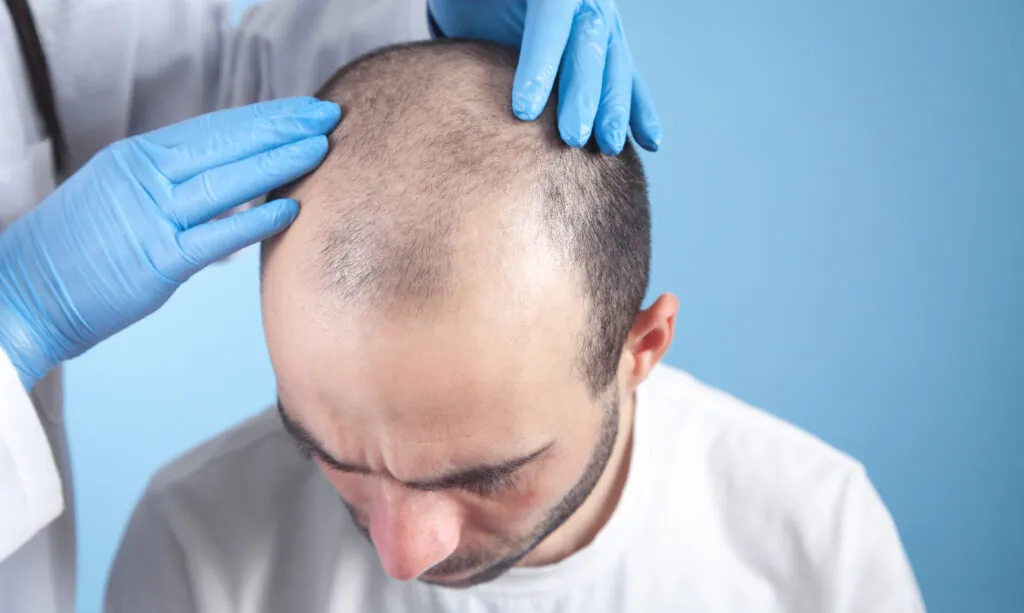
Another significant factor in determining the level of safety in hair restoration is who performs the actual hair transplantation procedure. At clinics where surgeons perform hair transplantation, a doctor conducts each of the critical steps of the procedure. In clinics where technicians perform hair transplantation, technicians typically perform the actual implantation of the grafts.
It is crucial to differentiate between these two types of clinics due to the fact that hair transplantation requires medical judgment rather than repeated technical execution.
What Only a Doctor Can Do During a Hair Transplant
Limitations of Technicians Performing Hair Transplants
Technicians simply cannot replicate the expertise that doctors possess. During a hair transplant, only a doctor can:
- Create a hairline that is medically appropriate
- Correctly measure the depth, angle, and direction of the grafts
- Manage bleeding and tissue trauma
- Change the procedure in real time
- Promptly address complications during the procedure
As a result, hair transplants conducted by doctors have fewer complications and produce better and more predictable results.
International Safety Benchmarks in Hair Transplantation
Expectations of International Patients in Malaysia
Malaysia is attracting patients from various countries including Asia, Europe, Australia, and the Middle East. As such, international patients expect:
- Adherence to international medical protocols
- Transparency in the treatment plan
- Ethically based patient assessments
- Consistent and reliable aftercare
Thus, clinics that fail to meet these expectations may find it difficult to maintain credibility in the global medical tourism marketplace.
How International Protocols Enhance Patient Outcomes
Benefits of Following International Protocols
By adhering to international safety standards, clinics can enhance patient outcomes by providing:
- Consistent surgical techniques
- Ongoing medical education
- Quality control throughout all procedures
When clinics follow international safety standards, patient safety and long-term results improve dramatically.
How DHI Malaysia Adheres to International Safety Benchmarks
The Importance of Having Doctors Only Perform Hair Transplant Procedures
At DHI Malaysia, only doctors are allowed to perform all stages of the hair transplant procedure. The doctor never delegates the responsibility of graft implantation to technicians.
As a result:
- There is clear medical accountability
- Precision in all surgical aspects of the hair transplant is ensured
- Scalp trauma is minimized
- Long-term results of the hair transplant are predictable
As such, patients receive care that is consistent with the highest international safety standards.
Continuing Education and International Medical Standards
Education and Training of DHI Malaysia Doctors
DHI Malaysia follows the protocols established by DHI International, which emphasizes:
- Ongoing education and training for doctors
- Standardization of all surgical techniques
- Quality assurance and quality control
Ultimately, this means that patients receive globally consistent medical care.
Advancements in Technology That Support Safety
Technology Used in the Direct Implantation Method
The DHI method enables direct implantation of the grafts without making incisions. Thus:
- Tissue trauma is minimized
- Risk of infection is minimized
- Faster recovery times occur
- Improved graft survival rates occur
These advancements support safety only when utilized by trained doctors, emphasizing the significance of surgeon participation.
Warning Signs of an Unsafe Hair Transplant Clinic
Beware of Warning Signs When Choosing a Clinic
When selecting a clinic, patients should remain vigilant. Some common warning signs of an unsafe hair transplant clinic include:
- Claims of unlimited grafts
- Low pricing
- Unclear information regarding who will perform the procedure
- Unverifiable patient results
- Consultations that are sales oriented
When a clinic prioritizes quantity over safety, the long-term results of the hair transplant procedure are often inferior.
Questions Patients Should Ask Before Selecting a Clinic
Protect Yourself by Asking the Right Questions
In order to protect yourself, patients should ask the following questions prior to selecting a hair transplant clinic:
- Will a doctor perform the graft implantation?
- Is the clinic medically licensed in Malaysia?
- What safety protocols does the clinic implement?
- Who will provide my postoperative care?
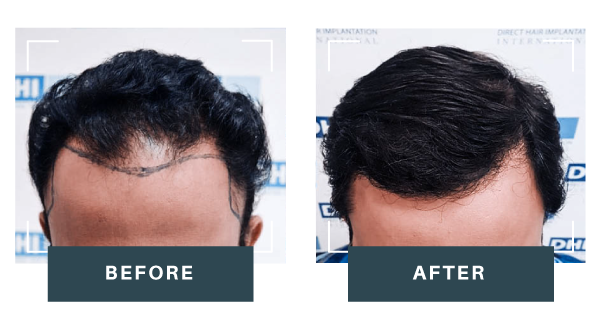
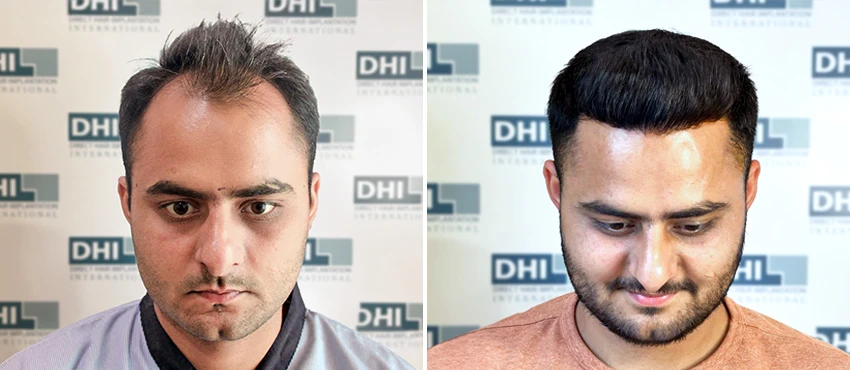
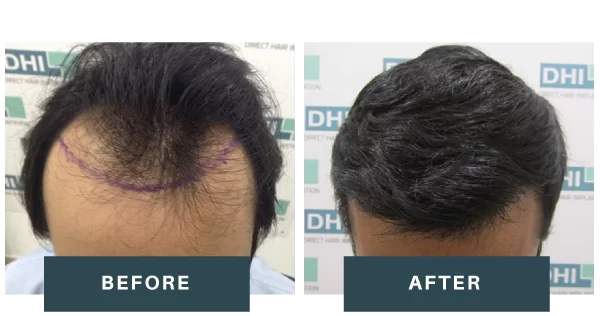
- Can I verify before and after photos of patients treated by the clinic?
Answers to the above questions will indicate the level of transparency and professionalism exhibited by the clinic.
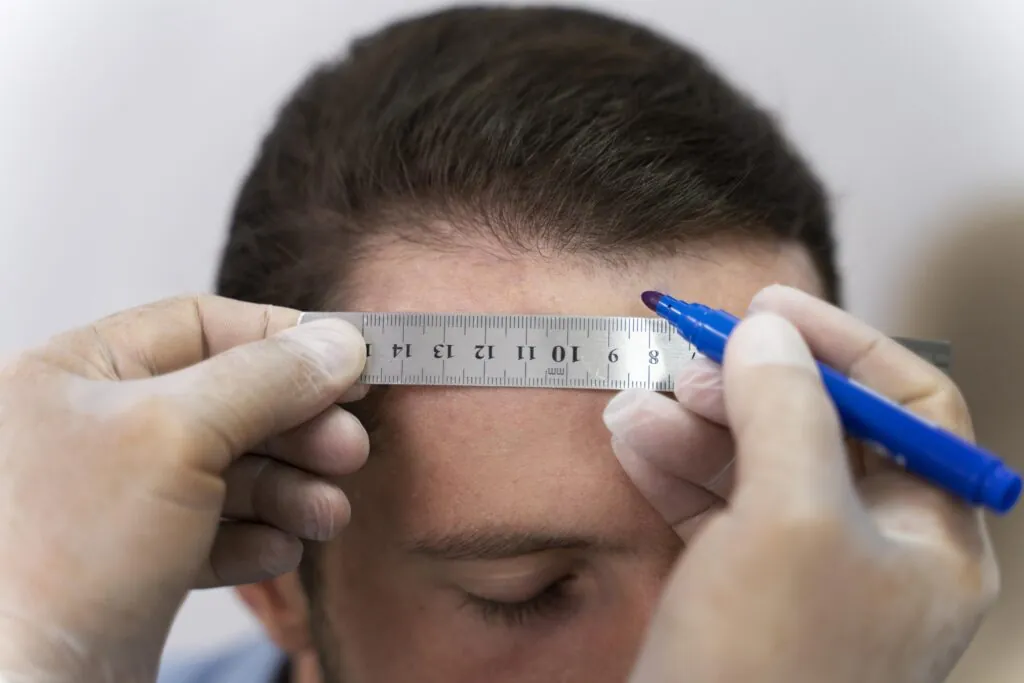
Why Hair Transplant Safety Matters Over Cost
Do Not Let Cost Trump Safety
Cost plays a role in decision making, but it should never overshadow safety. Clinics that minimize cost often sacrifice:
- Doctor presence during the procedure
- Sterilization standards
- Handling of the grafts
However, clinics that prioritize safety ensure that patients avoid complications and additional surgery to correct previous mistakes. Ultimately, safe hair transplant Malaysia standards yield higher long-term benefits.
Conclusion: Medical Standards Every Patient Should Demand
Safety Standards Must Be Met by All Hair Transplant Clinics in Malaysia
Ultimately, hair transplant safety in Malaysia relies upon medical oversight, surgeon involvement, and adherence to ethical principles. Although many clinics boast of impressive results, only those that conform to rigorous medical standards consistently achieve long-lasting results.
Clinics like DHI Malaysia exemplify how doctor-only protocols, international standards, and the latest technologies combine to safeguard patients.
Before selecting any clinic, patients should demand safety, transparency, and accountability from their treating physician. A hair transplant is an investment in your physical and mental health.