Introduction
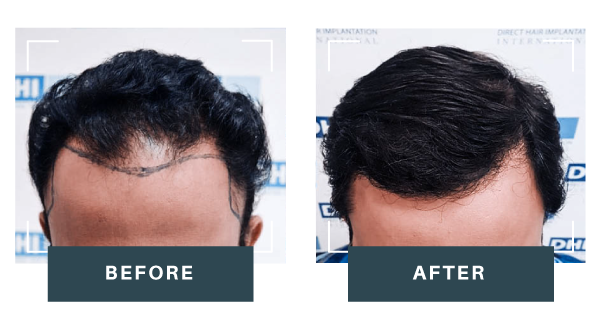
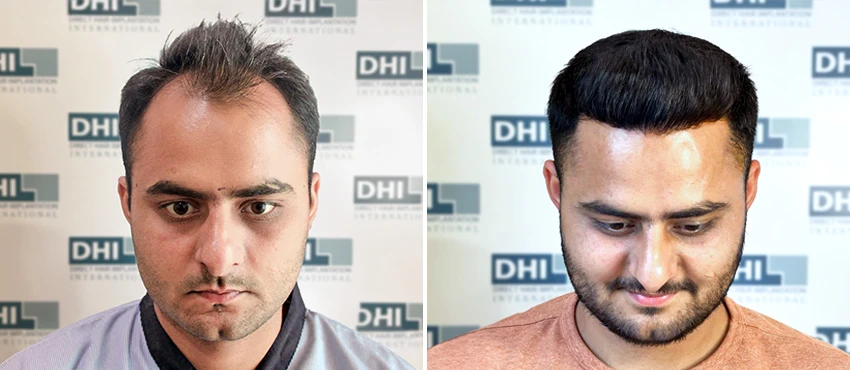
What determines whether a hairline looks natural? Many patients fear that their transplanted hair will appear unnatural or easily identifiable. Although advances in transplantation techniques have greatly increased success rates of hair transplantation, not all hair transplants produce an aesthetically pleasing outcome. There is a marked Difference in how well these are done; primarily, precision, technique, and medical skill determine whether a hair transplant produces an extremely realistic and natural-appearing hairline.
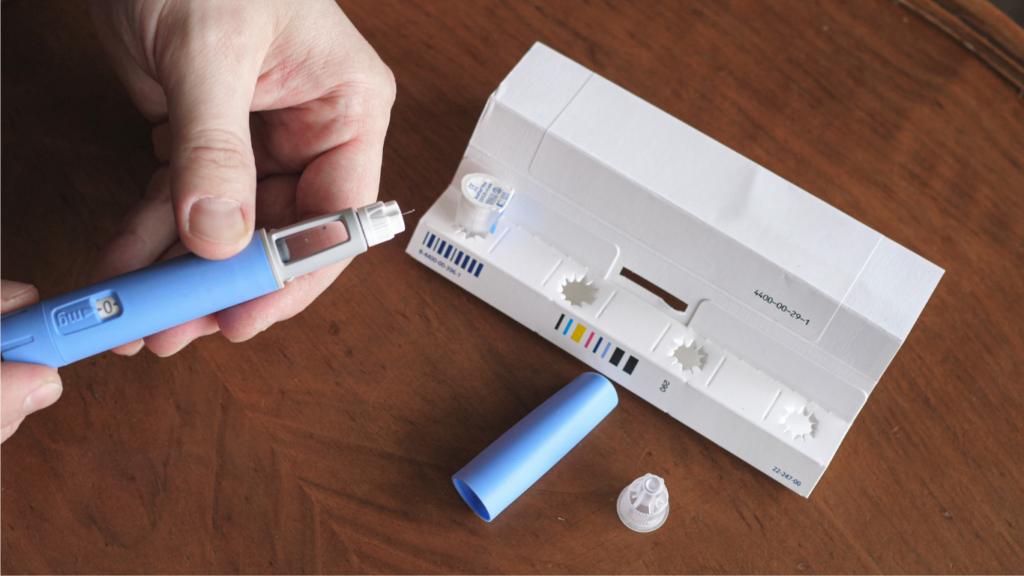
Currently, advanced technologies such as DHI have significantly improved the way hair transplants are performed. Unlike traditional approaches, DHI allows hair transplant doctors to implant each graft directly into the scalp with precise control over its angle, direction, and depth. This level of accuracy plays a critical role in creating hairlines that closely replicate natural hair growth. In the following article, we explore the principles underlying the production of natural-looking results through hair transplantation in malaysia and explain why hair transplant doctor expertise and technique are key.
What constitutes a natural-looking hairline after hair transplantation?
What Defines a natural-looking hairline?
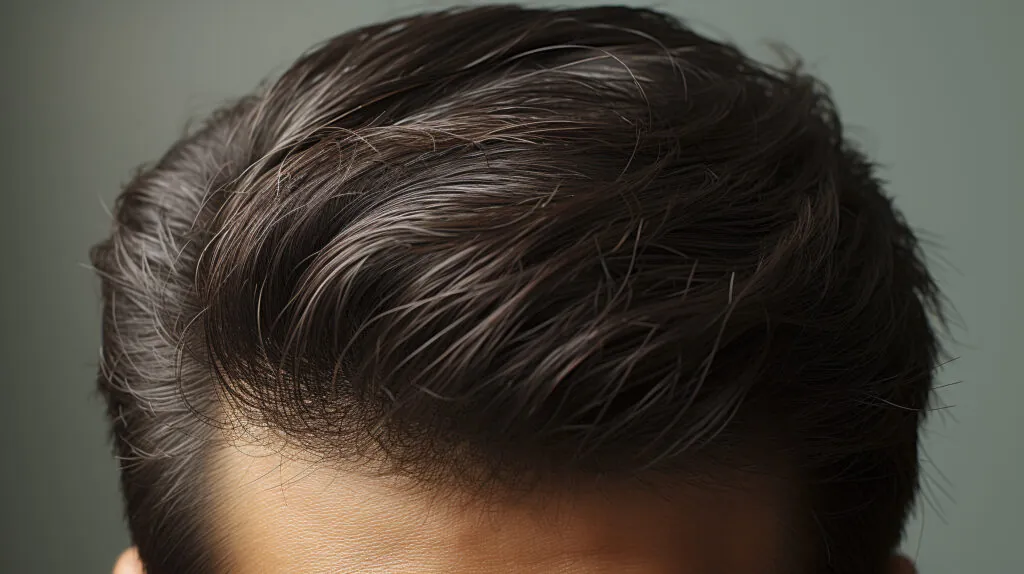
There is a distinct Difference between a completely straight line or very dense hairline and a completely irregularly shaped line that follows the natural growth of hairs.
To create a fully successful natural hairline after transplantation the following conditions need to be met:
• Subtlety of irregularities and lack of straight lines
• Gradually increasing Density
• Proper location relative to aging
• Natural direction and Angle
At our clinic (DHI Malaysia), each patient’s hairline is created individually and tailored to fit into their unique facial features and the pattern of future hair loss.

Why can’t all hair transplants appear completely normal?
Why do some hair transplants look unrealistic or fake?
Although great strides have been made in advancing hair transplantation technology, improper performance can also result in unnatural appearing results.
Some common reasons for unnatural looking results include:
• Low placement of the hairline
• Straight unnatural shapes
• Incorrect angulation of grafts
• Over crowding of grafts in the frontal zone
• Poor distribution of grafts
Technique is clearly a factor but so is hair transplant doctor expertise and aesthetic awareness.
Science of hairline creation
How does a hair transplant doctor create a natural-looking hairline?
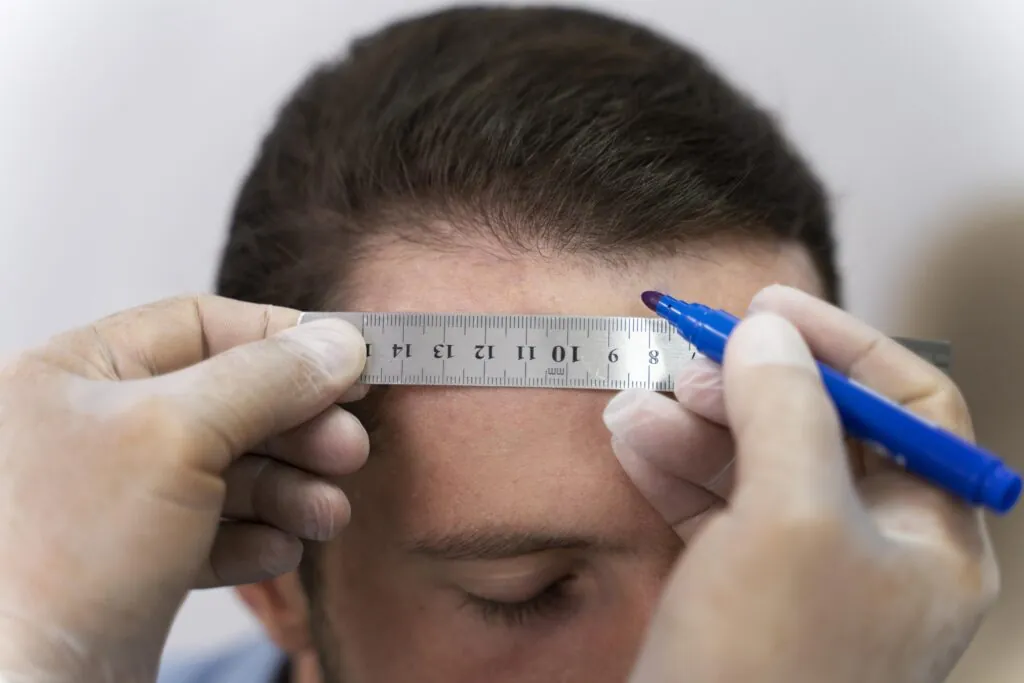
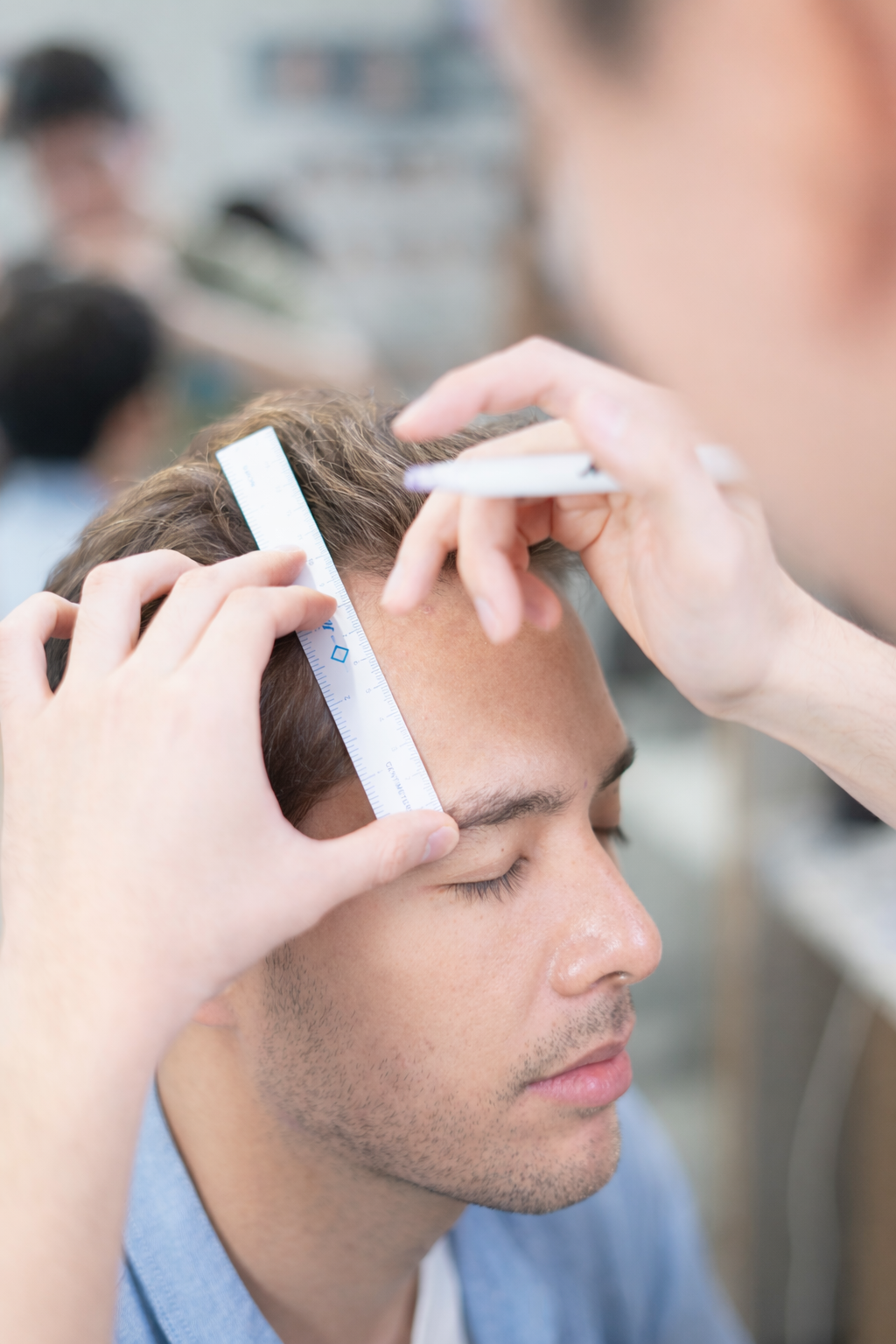
Creating a natural-looking hairline involves two basic components; medical knowledge and fine artistry.
Hair transplant doctors will consider the following before creating a hairline design:
• Facial proportion
• Forehead structure
• Ethnic background and normal hair patterns
• Age and possible future hair loss
• Characteristics of donor hairs
At our clinic, each patient undergoes a comprehensive evaluation. Rather than being treated with generic solutions, we provide each patient with a long term restoration plan.
Ideal hairline shape
Is there an optimal hairline shape for everyone?
No. Each individual has his own unique optimal hairline shape.
Male Hairline
• Slightly “m” shaped
• Temple recession
• Controlled irregularity
Female Hairline
• Softer rounded shape
• Lower placement
• Gentle transition
For this reason, each patient must receive an individualized hairline design rather than having someone else’s design copied onto them.
Hair direction, Angle & Density: why are these important factors?
Why must accuracy be so high?
Even if a hair transplant doctor creates an aesthetically pleasing design for a patient’s hairline, he cannot guarantee a successful outcome without accurate placement of the grafts.
The three primary areas that must be accurately determined to achieve a successful outcome include:
• Correct Angle following natural growth
• Direction of the implanted hair changes across the scalp
• Gradually increasing Density
Because natural hair does not grow in a uniform direction, even small deviations in angle or placement can make a transplant noticeable. With DHI, our doctors use a specialized implanter tool that allows them to control each graft individually during implantation. This means that every hair can be placed according to its natural orientation, helping to recreate the subtle irregularities that define a natural hairline.
Single vs. Multiple-hair grafts: what is the Difference between them?
How do different types of grafts affect the final result?
Based upon placement type, single-hair grafts are generally used along the hairline while multi-hair grafts are located further back.
Using this method helps achieve the goal of:
• Softening the front edge of the transplanted area
• Preventing an unnatural appearance
• Increasing total Density
At our clinic, each graft is carefully evaluated prior to placement in order to replicate the natural growing patterns of the patient’s native hair.
Changes in hairline design due to aging
Will your hairline remain static as you grow older?
Not necessarily. As you Age, you will lose hair naturally.
Considerations in developing a hairline design that takes into account your Age include:
• Younger patients typically require more conservative designs
• Early low-placed designs often present unnatural appearances later in life
• Future potential for baldness needs to be considered
At our clinic, we take a long-term view when designing your hairline, ensuring that your desired result will continue to be aesthetically pleasing throughout your entire life.
Can anyone achieve a naturally looking hairline?
Is it guaranteed that everyone who chooses to undergo a hair transplant will achieve a naturally looking hairline?
Ultimately, the degree to which you are able to successfully achieve a natural-looking hairline depends on several variables including:
• Density of donor hairs
• Thickness of your donor hairs
• Contrast of color between your donor hairs and skin
• Degree of thinning/balding
Regardless, new techniques such as DHI provide greater flexibility to hair transplant doctors to properly place implants in cases that would previously not have produced satisfactory results due to previous limitations in control over implant placement.
Why technique Matters – DHI vs. Traditional techniques
Does technique matter?
Yes.
The technique used during implantation directly affects how natural the final result will look.
With traditional methods, grafts are often placed after creating channels in the scalp, which can limit control over the exact angle and direction of each hair. While this approach can still produce good results, it requires a very high level of experience to achieve natural precision.
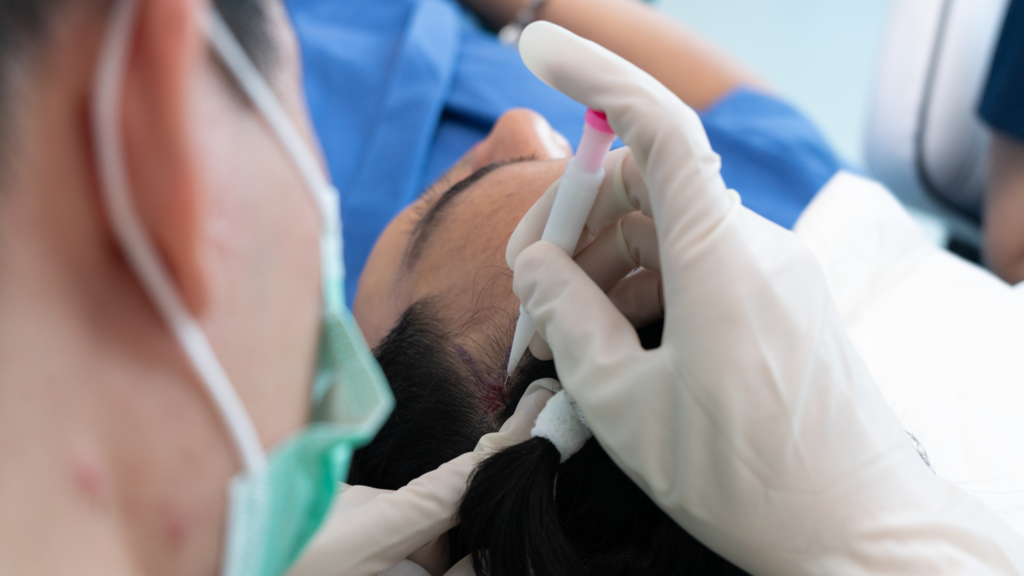
With DHI, implantation and placement happen simultaneously. Using a specialized implanter, our hair transplant doctors can control:
• The exact angle of each hair
• The direction of growth
• The depth of implantation
• The spacing between grafts
This allows for a more refined and controlled placement, especially in the hairline area where even minor inaccuracies can affect the overall appearance.
As a result, DHI makes it easier to recreate natural density transitions and irregular patterns, which are essential for achieving a natural-looking hairline.
Choosing the right clinic for successful results
What should i be concerned with when selecting a clinic?
Finding the right clinic is crucial.
When selecting a clinic consider:
• Doctor performed procedures
• Expertise in hairline design
• History of producing natural looking results
• Use of advanced techniques (i.e. DHI)
• Focus on providing long-term plans for restoration
At DHI Malaysia, we combine medical expertise with state-of-the-art technology in order to produce long-lasting and natural results.
Questions to ask when consulting a hair transplant doctor about your procedure
What questions should i be asking myself during a consultation?
Be sure to ask yourself the following during consultation:
• Who will create my hairline design?
• Will my hairline appear naturally as i Age?
• Which technique(s) will be utilized?
• Who will perform the actual implantation?
By asking yourself these questions you will be able to find clinics focused on delivering quality and natural results.
Why select DHI Malaysia Clinic?
DHI Malaysia Clinic views hair restoration as an ongoing medical treatment versus simply cosmetic treatments.
At our clinic, our doctors use the DHI technique to place each graft individually with full control over how the hair will grow. This allows us to carefully design hairlines that follow natural patterns, ensuring that the result blends seamlessly with the patient’s existing hair.
Additionally, all our doctors are specially trained in DHI methodologies. Before creating individualized treatment plans for patients, they carefully analyze:
• Pattern of loss
• Strength of donor hairs
• Potential for additional loss due to aging
Thus, rather than focusing solely on providing temporary Density, we focus on providing patients with aesthetically pleasing and long lasting results that blend harmoniously with facial contours.
Conclusion
So what determines whether a hair transplant looks completely unnoticeable?
The answer is essentially a combination of:
• Individualized hairline design
• Advanced implantation techniques (such as DHI)
• Long-term planning
In fact, many clinics now provide hair transplants. However, only those that have the proper training and utilize advanced techniques similar to DHI can provide completely natural-looking results.
Achieving a naturally looking result is not only about replacing lost hair. It is about giving you back confidence that others could never recognize.