
Many patients considering a hair transplant Malaysia procedure believe that one surgery will permanently solve their hair loss concerns. While a successful hair transplant Malaysia treatment can provide lifelong growth from transplanted follicles, some patients eventually undergo a second procedure. This often leads to an important question: if hair transplantation is permanent, why would anyone need another surgery?
The answer is usually not because the first procedure failed. Instead, ongoing hair loss, poor planning, aggressive hairline design, donor area mismanagement, and changing cosmetic goals are often responsible. Understanding these factors before your first hair transplant Malaysia procedure can help you achieve more natural and sustainable results.
This article explains why some patients require a second hair transplant and how proper long-term planning can reduce that possibility.
Does Needing a Second Hair Transplant Mean the First One Failed?
Understanding the Difference Between Failure and Progression
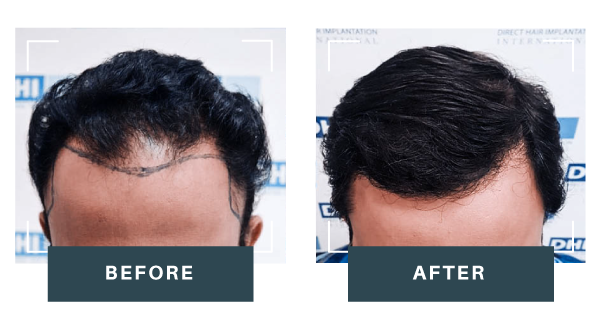
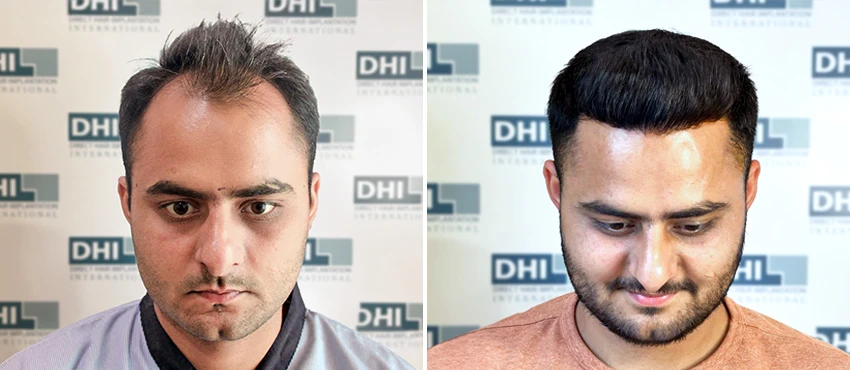
Many people mistakenly assume that a second hair transplant Malaysia procedure indicates a failed result. However, this is often not true.
A successful hair transplant means that the transplanted follicles survive, grow, and continue producing hair. However, the surrounding native hair remains susceptible to genetic hair loss. Therefore, even when the transplanted hair performs perfectly, the patient’s overall appearance may change over time.
As a result, many patients seek a second procedure to maintain balance and density rather than to correct a failed surgery.
Common Reasons Patients Undergo a Second Procedure
Patients typically seek a second hair transplant Malaysia treatment because of:
• Progressive hair loss
• Inadequate density
• Aggressive hairline design
• Poor initial planning
• Scar correction

Progressive Hair Loss Is the Most Common Reason
Why Does Hair Loss Continue After a Hair Transplant?
One of the most misunderstood aspects of a hair transplant Malaysia procedure is that it does not stop future hair loss.
The transplanted follicles are usually resistant to DHT and remain permanent. However, native hair surrounding the transplanted area may continue to thin over time.
For example, a patient may restore their hairline at age 30 and enjoy excellent results. However, by age 40 or 50, additional thinning may occur behind the transplanted area.
Consequently, the patient may benefit from a second procedure to maintain overall density.
How Do Experienced Surgeons Plan for Future Hair Loss?
The best hair transplant Malaysia clinics evaluate:
• Family history
• Age
• Hair characteristics
• Current hair loss pattern
• Future progression risk
This allows doctors to create a strategy that remains natural for decades rather than focusing only on immediate results.
Aggressive Hairlines Often Lead to Future Problems
Can a Hairline Be Too Low?
Yes.
Many patients request low and youthful hairlines. While this may seem attractive initially, it can create long-term challenges. A low hairline requires significantly more grafts. Furthermore, as the patient ages, the hairline may no longer appear natural.
Why Are Conservative Hairlines Usually Better?
Experienced hair transplant Malaysia surgeons often recommend conservative designs because they:
• Preserve donor reserves
• Age naturally
• Require fewer grafts
• Allow flexibility for future procedures
An aggressive hairline may look impressive today but become difficult to maintain as hair loss progresses. Therefore, long-term planning is far more important than creating the lowest possible hairline.
Poor Planning Can Increase the Need for Additional Surgery
Is Graft Placement More Important Than Graft Numbers?
Absolutely.
Many clinics advertise large graft counts. However, successful hair transplant Malaysia outcomes depend more on strategic graft placement than simply transplanting thousands of follicles. A skilled surgeon carefully allocates grafts based on visual impact and future needs.
What Are Common Planning Mistakes?
Examples include:
• Overcrowding the frontal hairline
• Neglecting the crown
• Uneven density distribution
• Ignoring future hair loss
These mistakes often create imbalances that later require correction.
Why Is Long-Term Planning Essential?
A quality hair transplant Malaysia procedure should consider:
• Current appearance
• Future hair loss
• Donor preservation
• Aging changes
• Potential future surgeries
Patients who receive proper planning often enjoy natural results for many years without additional intervention.
Donor Area Depletion: The Hidden Risk
Why Is the Donor Area So Important?
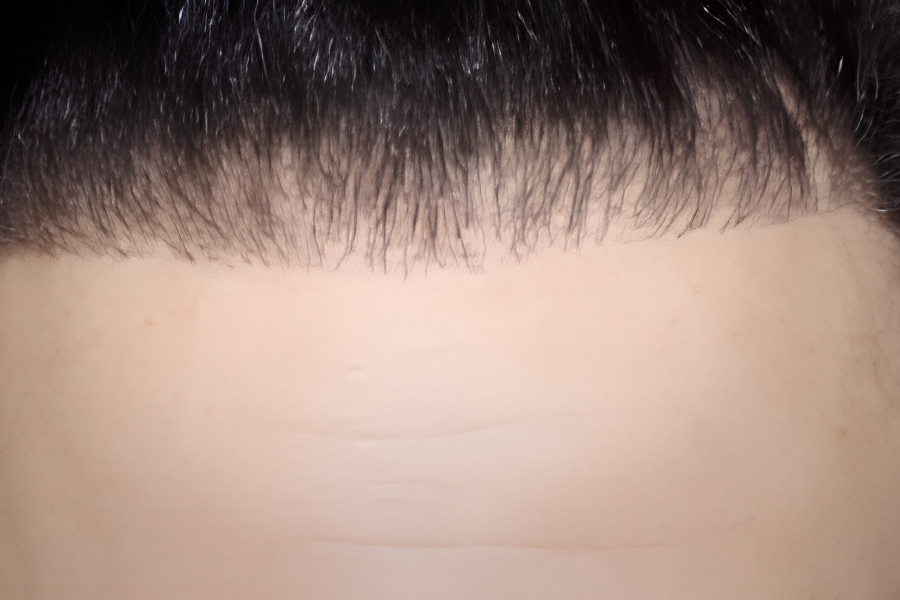
The donor area is the foundation of every successful hair transplant Malaysia procedure.
Every graft transplanted comes from a limited donor supply. Unlike transplanted hair, donor reserves cannot be replenished. Therefore, donor management is one of the most important aspects of hair restoration.
What Is Donor Depletion?
Donor depletion occurs when too many grafts are extracted.
Signs include:
• Patchy donor appearance
• Visible thinning
• Reduced donor density
• Limited future treatment options
Unfortunately, donor depletion can permanently affect a patient’s ability to undergo future restoration procedures.
How Can Donor Depletion Be Prevented?
Experienced surgeons prevent donor depletion through:
• Conservative harvesting
• Strategic graft allocation
• Long-term planning
• Careful donor assessment
This is one reason why selecting an experienced hair transplant Malaysia clinic is critical.
Repairing a Previous Hair Transplant
Why Do Some Patients Need Corrective Surgery?
Not every second procedure is related to progressive hair loss. Some patients seek repair after receiving poor-quality work elsewhere.
Common Problems That Require Correction
These include:
• Unnatural hairlines
• Incorrect graft angles
• Pluggy appearance
• Poor density
• Visible scars
In many cases, patients become more concerned about these issues than the original hair loss itself.
Can Failed Hair Transplants Be Corrected?
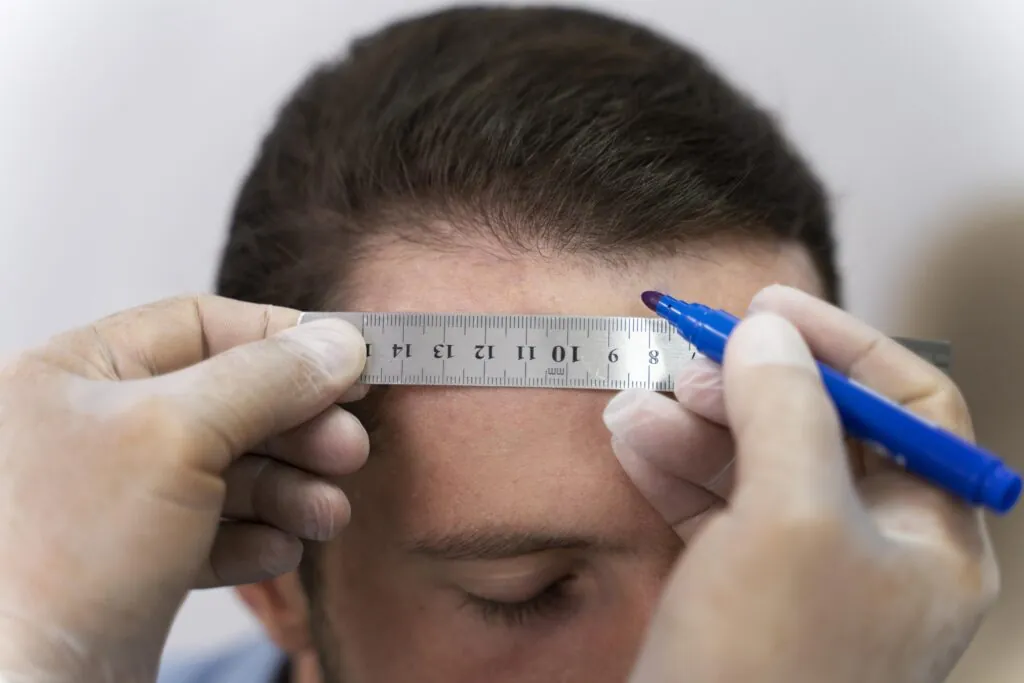
Fortunately, many problems can be improved through advanced repair procedures.
Options may include:
• Hairline redesign
• Density enhancement
• Scar revision
• Graft redistribution
• Donor camouflage
However, corrective surgery is often more complex than primary hair transplantation.
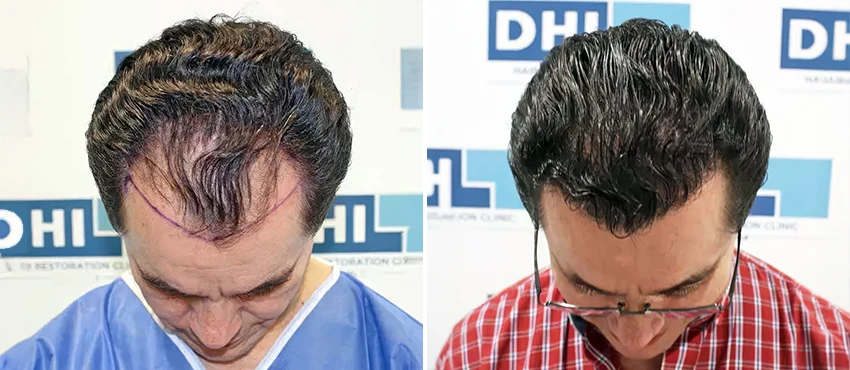
How DHI Malaysia Approaches Long-Term Hair Restoration
Why Is Strategy More Important Than Maximum Grafts?
At DHI Malaysia, the focus is not on transplanting the highest number of grafts possible. Instead, the emphasis is placed on achieving sustainable, natural results.
This approach prioritizes:
• Long-term planning
• Donor preservation
• Natural hairlines
• Future flexibility
As a result, patients receive realistic treatment plans rather than short-term cosmetic solutions.
Why Does Doctor-Led Planning Matter?
Doctors evaluate:
• Hair loss progression
• Donor quality
• Facial proportions
• Density requirements
• Long-term goals
Consequently, every hair transplant Malaysia treatment plan is tailored to the individual patient.
How the DHI Technique Helps Reduce Future Problems
Why Does Precision Matter?
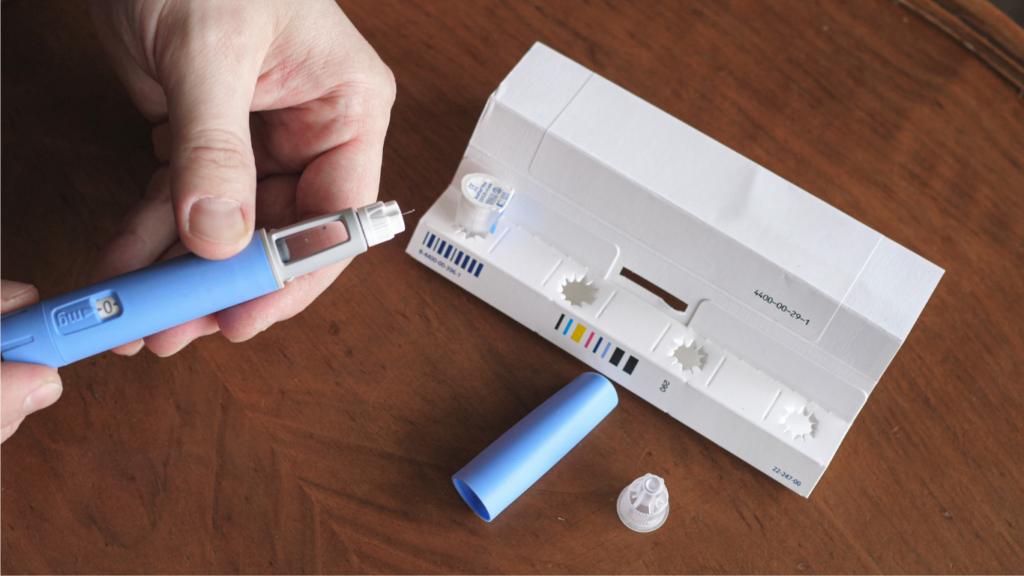
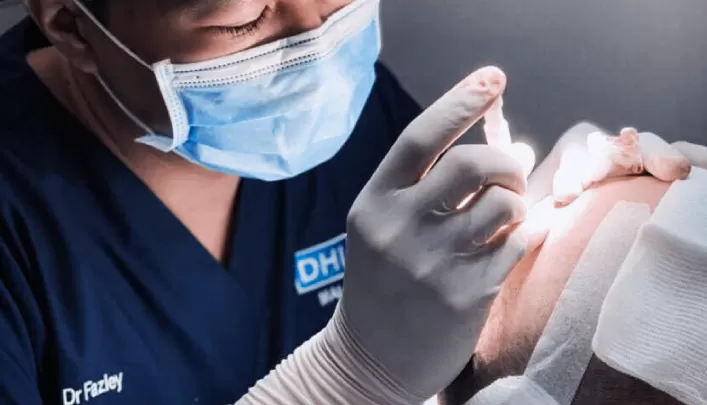
The DHI technique allows doctors to implant follicles directly using a specialized implanter pen.
This provides precise control over:
• Angle
• Direction
• Depth
• Density
As a result, doctors can create more natural-looking outcomes while using donor resources efficiently.
How Does DHI Support Better Long-Term Results?
Benefits include:
• Improved donor preservation
• Natural hairline design
• Better density planning
• Reduced scalp trauma
• Consistent graft survival
Therefore, many patients choose DHI when seeking a premium hair transplant Malaysia experience.
Frequently Asked Questions
Is It Normal to Need a Second Hair Transplant?
Yes. Many patients undergo a second procedure because hair loss continues over time rather than because the first surgery failed.
How Long Should I Wait Before Considering Another Procedure?
Most surgeons recommend waiting until the final results of the first transplant are fully visible before making decisions about additional treatment.
Can a Second Hair Transplant Look Natural?
Absolutely. With proper planning and donor management, a second hair transplant Malaysia procedure can produce highly natural results.
How Many Hair Transplants Can a Person Have?
The answer depends primarily on donor availability, scalp characteristics, and long-term planning.
Conclusion
A second hair transplant Malaysia procedure does not necessarily indicate failure. In many cases, progressive hair loss, changing cosmetic goals, and the natural aging process make additional treatment beneficial.
However, poor planning, aggressive hairline design, and donor depletion can significantly increase the likelihood of requiring corrective surgery.
The key to long-term success is choosing a hair transplant Malaysia clinic that focuses on future planning rather than short-term results. By emphasizing donor preservation, doctor-led procedures, conservative hairline design, and advanced DHI techniques, DHI Malaysia helps patients achieve results that remain natural, balanced, and sustainable for many years to come