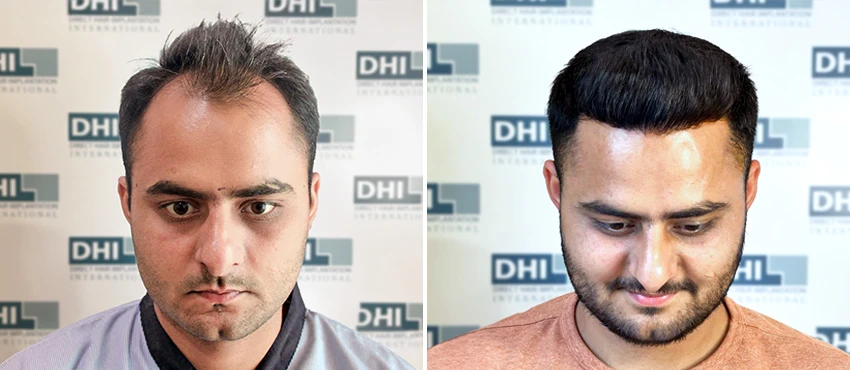
Most people who research for a hair transplant Malaysia focus almost entirely on the quantity of grafts their surgeon will be able to transfer to them during the hair transplantation procedure. Many patients consider price to be the most important factor when making their decision about where to undergo a hair transplant Malaysia. Many patients also use photographs before and after the procedure to compare the potential results. However, there is an element that is far more significant to the final aesthetic of a patient’s hair transplantation procedure than either of those factors and that element is the angle at which the implanted follicles enter the scalp.
So why do some hair transplantation procedures look so natural, while others look artificial? Why do some patients experience transplanted hairs growing in unnatural directions? Why do patients whose crowns were restored with thousands of grafts sometimes feel that their crowns still look unnatural?
More often than not, the reasons are related to how the implanted follicles entered the scalp.
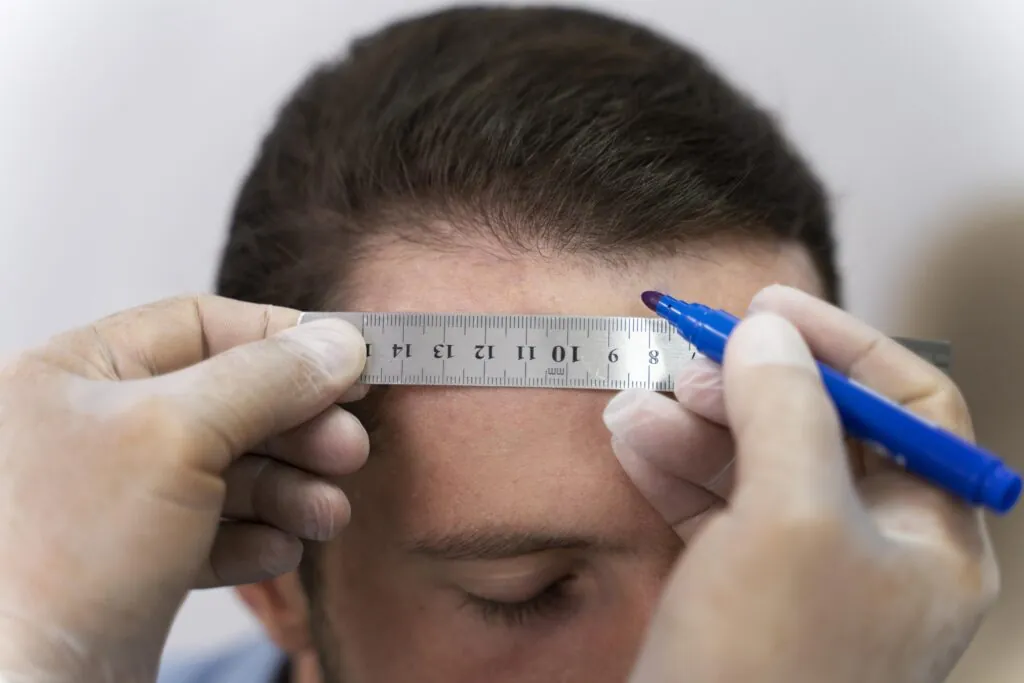
A successful hair transplant Malaysia procedure involves much more than simply moving hair from one location of the scalp to another. A successful hair transplant Malaysia procedure requires meticulous attention to detail by the surgeon regarding the angle, direction, and position into which every individual follicle is implanted. This is particularly true when dealing with sensitive locations such as the frontal hairline, temples, and crown swirl.
This article explains why implantation angle matters, discusses why mimicking natural growth patterns is critical, and explores why doctor-only implantation at DHI Malaysia makes all the difference in producing natural and long-lasting results for patients.
How Important Is Angle in Hair Transplantation?
What Does Implantation Angle Refer To?
Implantation angle refers to the angle, direction, and degree at which each transplanted follicle penetrates the scalp. All hair grows out of the scalp at very specific angles rather than vertically upward. Each area of the scalp has its own distinct growth pattern. As a result, each area requires a customized approach to implantation technique.
Why Is Angle More Important Than Graft Quantity?
Many clinics promote large graft quantities. While graft quantity may influence how full the hair appears after surgery, it is not the best indicator of how natural the final result will look.
Incorrectly implanted grafts can cause:
• Unnaturally erect hairs
• Artificial density
• Poor integration with existing hair
• Difficulty styling
Properly implanted grafts create:
• Smooth flow
• Gradual blending
• The illusion of improved density
• Natural realism
Therefore, in most situations, implantation angle determines how natural the final hair restoration result appears more than the number of grafts transplanted.
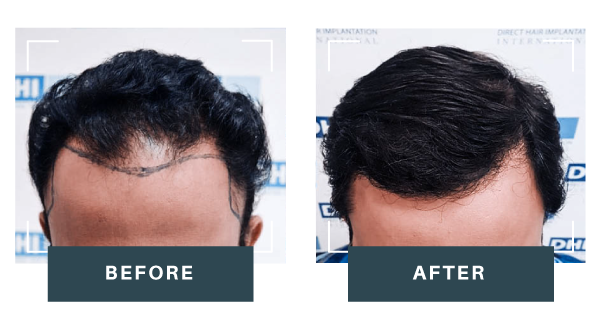
Natural Hair Growth Characteristics by Location on the Head
Do Hairs Grow Differently Depending on Their Location?
Yes.
Every area of the scalp has distinct growth characteristics. Therefore, doctors need to adjust implantation techniques according to the specific area being treated.
Frontal Hairline Growth Characteristics
The frontal hairline is one of the most delicate areas of a hair transplant Malaysia procedure.
Typical frontal hairs:
• Grow forward
• Sit at relatively flat angles
• Usually consist of soft single-hair grafts
• Contain subtle irregularities
If a doctor implants grafts too vertically, the frontal hairline may immediately appear unnatural.
General Midscalp Hair Directions
The midscalp generally transitions smoothly between the frontal zone and the crown. When treating this area, doctors should aim for:
• Smooth directional transitions
• Layered density
• Harmonious placement strategies
Because of these factors, surgeons must carefully plan smooth angle transitions.
Crown Hair Growth Characteristics
Crown restoration is often the most technically demanding area of hair restoration. Unlike frontal hairs that grow linearly, crown hairs grow in circular or spiral directions. Additionally, crown growth patterns vary dramatically from person to person. As a result, crown restoration requires extensive pre-surgical planning and precise execution.
Why Temple Angles Are Most Critical
Why Does the Temple Area Often Reveal Poor Hair Transplants?
The temple area frames the patient’s face and is frequently viewed directly from the sides. Unfortunately, temple restoration is one of the most common areas used to judge whether a hair transplant appears unnatural.
There are several reasons for this:
- Temple hairs grow at extremely shallow angles near the surface of the skin.
- Incorrect temple placement can lead to:
• Hair growing outward artificially
• Unnatural framing of the face
• Obvious pluggy texture
• Hard edges created by poorly placed grafts
Because of these challenges, even patients who receive an otherwise successful hair transplant Malaysia procedure may still appear unnatural if temple restoration is poorly executed. Doctors performing hair transplant Malaysia procedures understand that temple restoration requires equal amounts of artistry and surgical precision.
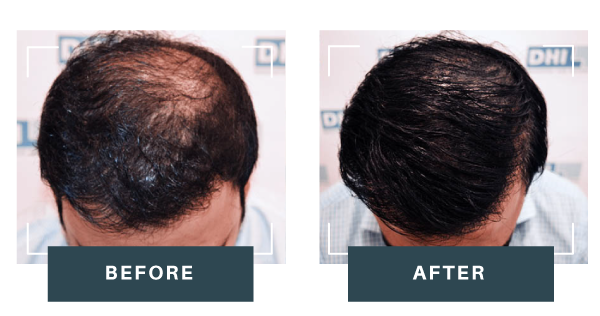
Why Crown Swirl Direction Is Technically Challenging
What Makes Crown Restoration So Complex?
The crown is one of the most technically difficult regions to restore during a hair transplant Malaysia procedure. Unlike the frontal hairline, where hairs generally grow forward in a predictable pattern, crown hairs grow in circular or spiral formations.
Additionally, every patient has a unique crown swirl pattern. Some crowns rotate clockwise while others rotate counterclockwise. The density and direction of crown hairs also change continuously throughout the area. Because of this complexity, crown restoration requires advanced planning and exceptional surgical precision.
What Happens When Crown Angles Are Incorrect?
Incorrect implantation angles in the crown can produce several unnatural effects, including:
• Chaotic growth patterns
• Uneven density appearance
• Visible scalp exposure under lighting
• Difficulty styling the hair naturally
Even when thousands of grafts are transplanted, improper angle placement can make the crown appear thin or artificial. Therefore, surgeons performing a hair transplant Malaysia procedure must carefully replicate the patient’s natural swirl pattern while maintaining proper density transitions.
Why Does Crown Restoration Require Long-Term Planning?
The crown often requires a large number of grafts because of its circular growth pattern and large surface area.
Doctors must therefore consider:
• Current severity of hair loss
• Future progression of hair thinning
• Donor area limitations
• Long-term density planning
Without strategic planning, patients may experience insufficient coverage or require additional corrective procedures later in life.
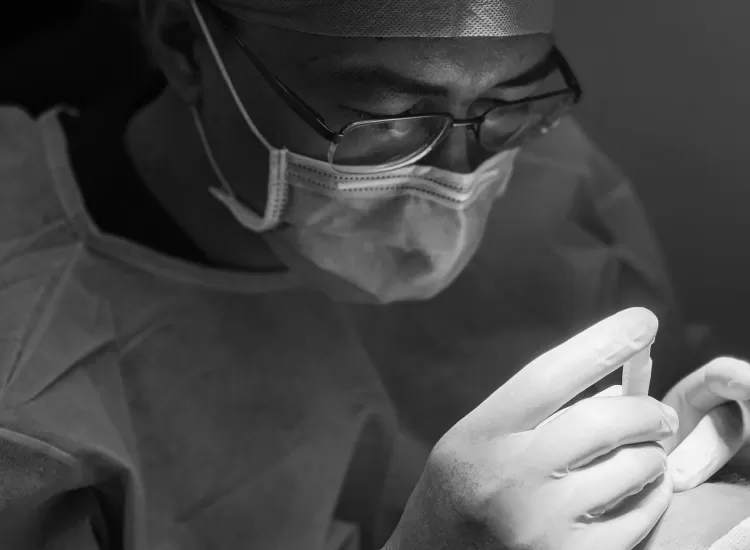
Why Doctors, Not Technicians, Should Control Implantation
Why Is Implantation Both Medical and Artistic?
Many people underestimate the complexity of graft implantation. However, implantation is not simply repetitive technical work.
Each graft requires careful consideration regarding:
• Angle
• Direction
• Depth
• Density
• Placement pattern
Doctors continuously make real-time decisions during surgery based on tissue characteristics, blood supply, scalp elasticity, and surrounding native hairs. Therefore, successful implantation requires medical judgment as well as artistic understanding.
Why Can’t Implantation Be Delegated Completely?
Some clinics allow technicians to perform significant portions of implantation. Unfortunately, this can increase the risk of unnatural results.
Technicians may lack:
• Medical training
• Anatomical understanding
• Ability to adapt during surgery
• Long-term planning expertise
Consequently, implantation performed entirely by doctors generally produces more natural and predictable outcomes. This doctor-only philosophy is one of the reasons why DHI Malaysia has become recognized for natural-looking results and high medical standards.
Risks of Poor Implantation Angle
What Are Common Signs of Incorrect Implantation?
Improper implantation angles may create several visible problems after healing occurs.
Common signs include:
• Hairs standing upright unnaturally
• Artificial or pluggy appearance
• Poor blending with native hair
• Uneven density distribution
• Reduced styling flexibility
These problems often become more noticeable under bright lighting or when the hair is wet.
Why Do Some Hair Transplants Look Fake?
Artificial-looking results are frequently caused by poor control of angle and direction. Common contributing factors include:
• Incorrect frontal hairline angles
• Poor temple transitions
• Wrong crown swirl direction
• Improper use of multi-hair grafts in delicate areas
As a result, even a large number of grafts cannot compensate for poor implantation technique.
How DHI Malaysia Controls Implantation Angle Precisely
What Makes the DHI Technique Different?
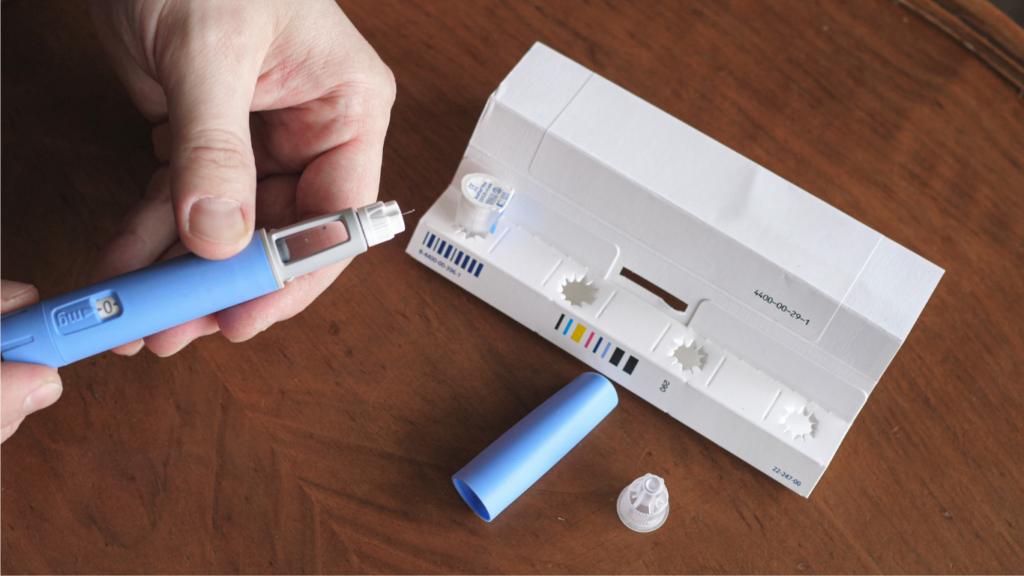
The DHI technique uses direct implantation rather than pre-made channels. Doctors implant follicles individually using a specialized implanter pen.
This approach allows:
• Real-time angle adjustments
• Precise directional control
• Better depth management
• Reduced trauma to surrounding tissue
Consequently, doctors maintain significantly greater control over the final appearance of the transplant.
Why Does the DHI Implanter Pen Improve Precision?
The DHI implanter pen enables surgeons to:
• Implant follicles at highly specific angles
• Create smooth density transitions
• Minimize graft handling
• Protect follicle viability
Because follicles spend less time outside the body, graft survival rates may also improve. These advantages help DHI Malaysia achieve natural-looking results with improved precision and consistency.
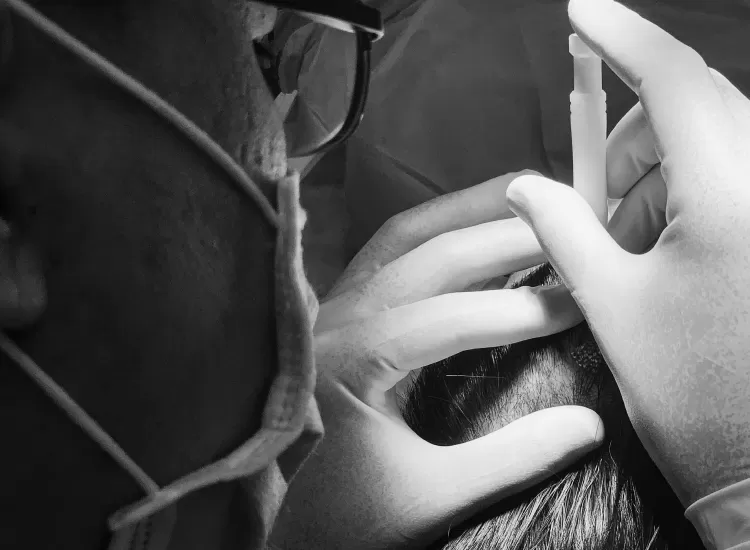
How DHI Malaysia Creates Natural-Looking Hair Transplant Results
Why Does DHI Malaysia Prioritize Naturalness?
At DHI Malaysia, natural appearance remains one of the primary treatment goals.
Doctors focus on:
• Facial harmony
• Long-term aging patterns
• Conservative density planning
• Individual growth characteristics
Rather than creating aggressive or artificial hairlines, the focus remains on producing results that continue to look natural over time.
How Is Each Procedure Customized?
Each patient presents unique characteristics including:
• Hair caliber
• Curl pattern
• Ethnic hair characteristics
• Existing hair direction
• Donor density
Therefore, DHI Malaysia customizes every hair transplant Malaysia procedure according to the patient’s anatomy and long-term needs.
Frequently Asked Questions
Can Incorrect Implantation Angles Be Corrected?
Yes. However, corrective procedures can be technically challenging and may require additional donor grafts.
Why Does Transplanted Hair Sometimes Stand Upright?
This usually occurs because grafts were implanted at incorrect angles during surgery.
Is Crown Restoration Harder Than Hairline Restoration?
In many cases, yes. The crown contains highly complex circular growth patterns that require advanced surgical planning.
Why Is Doctor Involvement Important During Implantation?
Doctors possess the medical training and artistic judgment necessary to control angle, direction, density, and natural flow throughout the procedure.
Does the DHI Technique Improve Naturalness?
Yes. The DHI technique allows doctors to maintain precise control over implantation angles and graft placement, helping create more natural-looking results.
Conclusion
A successful hair transplant Malaysia procedure depends on much more than the number of grafts transplanted. Implantation angle, direction, and density placement all play essential roles in determining whether the final result appears natural or artificial.
Temple angles, crown swirl patterns, and frontal hairline transitions require exceptional precision and medical expertise. Therefore, implantation should remain under the control of experienced doctors rather than technicians. Through doctor-only procedures, advanced DHI implantation technology, and individualized planning, DHI Malaysia prioritizes natural-looking results designed to remain aesthetically pleasing for many years.
Ultimately, understanding the importance of implantation angle helps patients make safer and more informed decisions when selecting the best clinic for hair restoration in Malaysia.