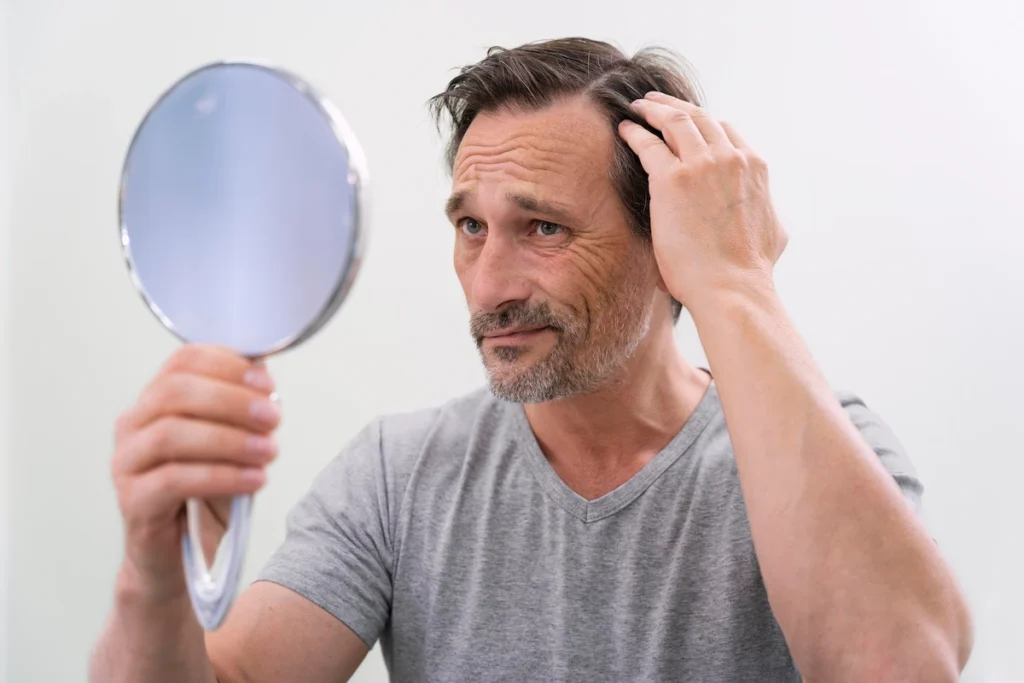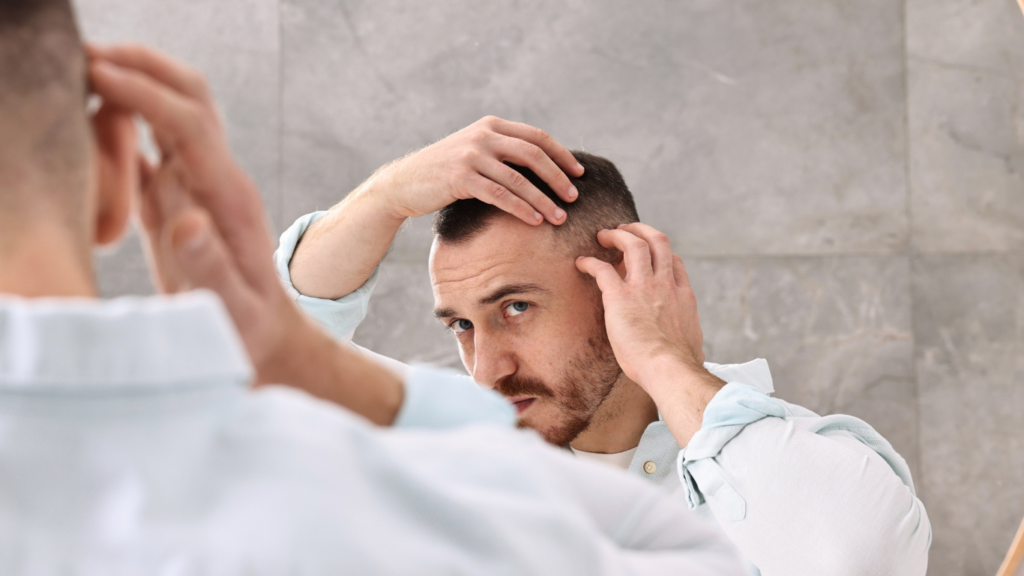

Hair transplant patients often have concerns about when to wash their hair post hair transplant and how to do so safely. Patients commonly fear that washing their hair too quickly will cause newly placed grafts to fall out; conversely, delaying the first wash could negatively affect the healing process and lead to an increased chance of infection.
At what point is it safe to wash your hair post hair transplant? What type of shampoo should I utilize? How can I remove scabbing without harming the grafted follicles?
Properly washing your hair post hair transplant is likely as significant a part of post hair transplant care as taking pain medication or antibiotics. Good washing practices promote a clean scalp, support rapid healing, decrease the chance of infections, and protect newly transplanted grafts from damage during the initial 14 day recovery process.
Herein lies a step by step guide to properly washing your hair post hair transplant, along with some potential pitfalls to avoid. Most importantly, following your physician’s guidelines will ensure the most desirable outcomes.
How Soon May You Wash Your Hair Following a Hair Transplant?
Why Is the First Hair Wash So Important?
Although the first hair wash post hair transplant is merely a hygienic necessity, it is also integral in protecting newly placed grafts while promoting a fast and healthy recovery. Following surgery, each graft is very delicate. While the grafts were surgically implanted into the scalp, they need a certain amount of time to settle and become firmly embedded.
Between 24 and 48 hours post surgery, blood clots begin to form at each graft site. Blood clotting provides a mechanical barrier to secure the follicle in place while the body initiates the natural healing process. Therefore, patients should refrain from scrubbing, scratching, or exposing grafts to high pressure water during the first few days. Gently washing grafts protects them while helping to minimize excess crust formation and decreasing the likelihood of infection.
When Can You Perform Your First Hair Wash?
Each medical facility develops somewhat unique protocols based on the surgical technique used and the patient’s individual healing progress. However, virtually all experienced hair transplant surgeons recommend performing the first gentle wash within 48 to 72 hours after surgery.
Generally speaking, individuals who undergo a DHI hair transplant may receive slightly different instructions than those treated using traditional FUE techniques because direct implantation creates smaller recipient sites. Ultimately, regardless of which surgical technique was employed, there is one universal recommendation: Always follow the guidance provided by your treating physician.
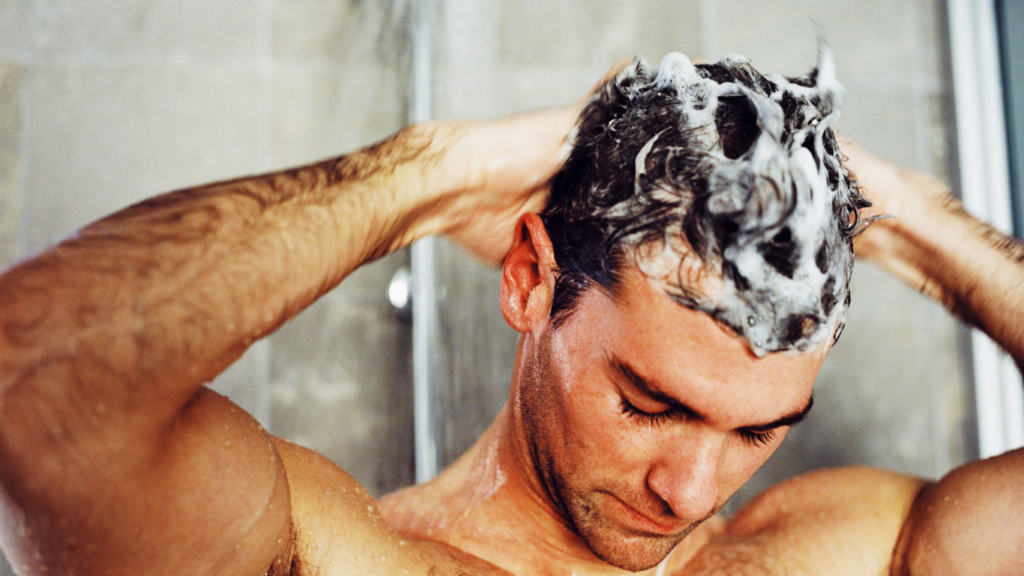
Why Is Proper Hair Washing Important After Surgery?
Will Washing Promote Faster Healing?
Yes. Most patients believe that washing is required solely to clean the scalp. However, proper washing actively supports healing throughout the recovery process.
Correct washing helps:
- Remove dried blood
- Soften crusts
- Reduce itching
- Keep the scalp clean
- Lower the risk of bacterial infection
- Improve overall comfort
Additionally, regular washing supports healthy skin regeneration and prepares the scalp for normal hair growth.
What Happens When Washing Incorrectly?
Poor washing techniques can interfere with healing. Common complications include:
- Dislodging fragile grafts
- Excessive irritation
- Delayed healing
- Persistent crust formation
- Increased inflammation
- Greater risk of infection
Fortunately, nearly all complications resulting from improper washing can be prevented by carefully following your surgeon’s post operative instructions.
Step by Step Protocol for Washing Your Hair Post Hair Transplant
Step One: Apply the Recommended Lotion or Foam
Before washing, many clinics provide patients with a moisturizing lotion or foam to apply to both the donor area and the recipient area. These products perform several important functions. They soften dried blood and crusts while keeping the scalp hydrated. Furthermore, softened scabs become much easier to remove naturally during subsequent washes. Most patients are instructed to leave the lotion or foam in place for approximately 15 to 30 minutes before rinsing. Most importantly, always follow the specific instructions provided by your clinic.
How Should You Remove Hair Transplant Scabs?
Why Do Scabs Form After a Hair Transplant?
Many patients become concerned when they notice small scabs forming around the transplanted grafts. Fortunately, this is a completely normal part of the healing process. Scabs develop because tiny amounts of blood and plasma dry around each implanted follicle. These natural crusts protect the healing skin while securing the grafts during the first days after surgery. Therefore, seeing scabs does not indicate a problem. Instead, it confirms that your scalp is healing normally.
Is It Safe to Remove the Scabs?
Yes, but only when the grafts have become secure. Patients should never pick or scratch scabs with their fingernails. Doing so may irritate the scalp, delay healing, or even dislodge grafts during the very early recovery period.
Instead, scabs should soften gradually through daily washing. Most clinics recommend:
- Applying the moisturizing lotion before washing
- Washing gently every day
- Allowing the scabs to loosen naturally
- Following your surgeon’s instructions regarding gentle massage after approximately 7–10 days
By the end of the second week, most scabs have disappeared naturally.
Common Mistakes Patients Make After Washing Their Hair
What Should You Avoid?
Even patients who follow their washing routine carefully sometimes make simple mistakes that slow recovery. Some of the most common errors include:
- Scratching the scalp because of itching
- Rubbing the transplanted area with a towel
- Using hot water
- Standing directly under a high-pressure shower
- Applying excessive pressure while washing
- Using harsh shampoos
- Wearing tight hats immediately after washing
- Swimming in pools or the sea too early
Fortunately, these mistakes are easy to avoid once patients understand how delicate the grafts remain during the first week.
Can You Scratch Your Head If It Itches?
Itching is one of the most common symptoms after a hair transplant.However, scratching should always be avoided. Instead, patients should:
- Continue moisturizing the scalp
- Wash according to instructions
- Stay hydrated
- Contact the clinic if itching becomes severe
As healing progresses, the itching gradually disappears.
What Happens If a Graft Falls Out While Washing?
Should You Panic?
Many patients become anxious when they notice something in the sink after washing their hair. Fortunately, what patients believe is a graft is often just a scab containing a shed hair shaft. The follicle usually remains safely beneath the skin. A true graft rarely becomes dislodged after the first several days.
If significant bleeding occurs after washing or you suspect an actual graft has been lost, contact your treating clinic immediately for advice. Fortunately, this situation is uncommon when proper washing techniques are followed.
Hair Washing Timeline After a Hair Transplant
What Should You Expect During Recovery?
Understanding the normal healing timeline helps patients feel more confident during recovery.
Days 1–3
During the first few days:
- Mild swelling may occur
- Redness is common
- Grafts remain delicate
- Washing begins according to your surgeon’s instructions
Days 4–7
Healing continues steadily. Patients usually notice:
- Reduced swelling
- Formation of small scabs
- Less tenderness
- Continued gentle daily washing
Days 8–14
During the second week:
- Scabs gradually loosen
- Most crusts disappear
- Grafts become securely anchored
- Washing becomes easier
At this stage, many patients can begin gently massaging the scalp if instructed by their doctor.
Weeks 3–12
Recovery continues beneath the surface.
Patients often experience:
- Temporary shedding of transplanted hairs
- Resolution of redness
- Normal scalp appearance
- New hair growth beginning after several months
Although shedding can be concerning, it represents a normal stage of the hair growth cycle rather than graft failure.
When Can You Return to Your Normal Hair Care Routine?
When Is It Safe to Wash Normally Again?
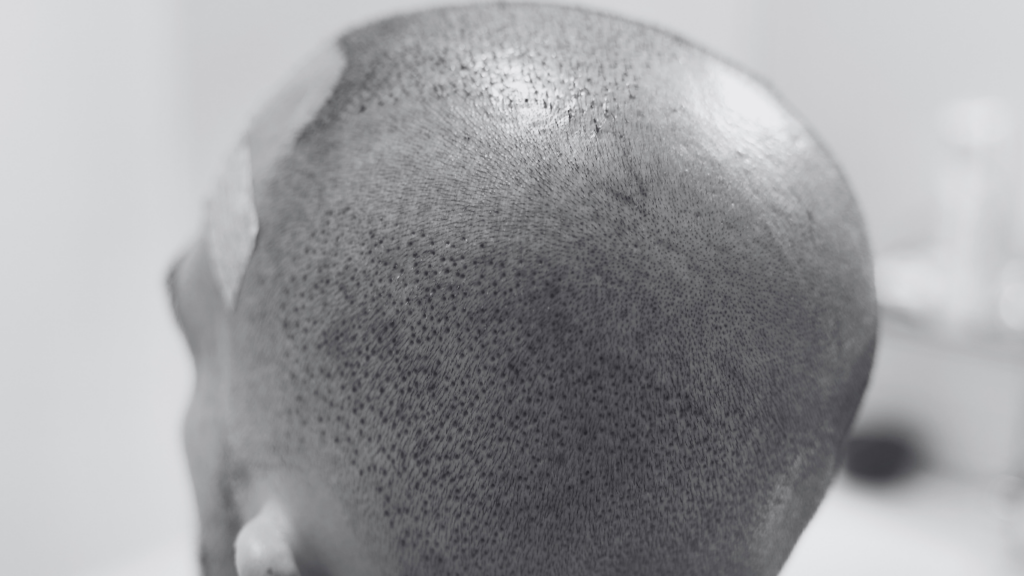
Most patients gradually resume their normal washing routine approximately two weeks after surgery.
By this stage:
- The grafts are securely anchored
- Most scabs have disappeared
- The scalp has largely healed
However, patients should still avoid harsh chemical treatments for several additional weeks.
When Can You Use Styling Products?
Hair waxes, gels, sprays, and other styling products should only be introduced after your doctor confirms that the scalp has healed sufficiently. Similarly, hair colouring, bleaching, and chemical treatments should be postponed until complete healing has occurred. Patience during the early weeks protects both the scalp and the long-term result.
How DHI Malaysia Supports Patients During Recovery
Why Is Aftercare Just as Important as Surgery?
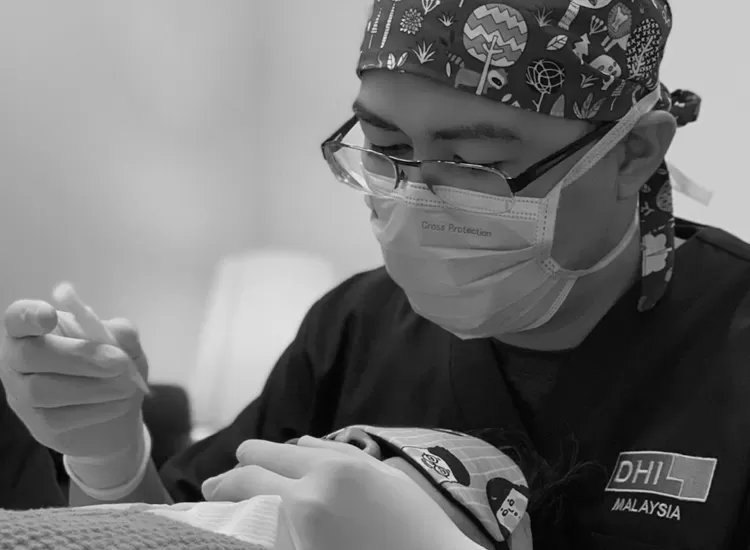
Excellent surgery alone does not guarantee excellent results. Successful hair transplant aftercare plays an equally important role in maximizing graft survival and achieving natural-looking outcomes. At DHI Malaysia, patients receive comprehensive recovery guidance from experienced doctors.
What Does DHI Malaysia’s Aftercare Include?
Patients benefit from:
- Detailed washing instructions
- Personalized recovery plans
- Scheduled follow-up appointments
- Ongoing medical supervision
- Continuous support throughout healing
Because every patient heals differently, individualized follow-up allows doctors to identify any concerns early and provide appropriate guidance. This level of aftercare helps improve comfort, reduce complications, and optimize final results.
Frequently Asked Questions
Can I Wash My Hair Every Day?
Yes. We recommend gentle daily washing once the first wash has been performed.
When Will the Scabs Fall Off?
Most scabs naturally disappear between 7 and 14 days after surgery.
Can I Use Baby Shampoo?
Always use the shampoo advised by your clinic during the healing period.
Can I Scratch My Scalp?
No. Scratching may damage healing tissue or disturb newly implanted grafts.
What Happens If I Accidentally Rub My Hair?
A single light touch is unlikely to cause damage. However, vigorous rubbing should always be avoided during the first two weeks.
When Can I Return to Normal Hair Care?
Most patients gradually resume their normal routine after approximately two weeks, although chemical treatments should wait until the scalp has fully healed.
Conclusion
Knowing how to approach washing your hair after a hair transplant is one of the most important aspects of successful recovery. Gentle washing, the correct shampoo, proper scab management, and careful handling of the scalp all help protect newly implanted grafts during the critical healing period.
Although the first two weeks require extra care, following your surgeon’s instructions greatly improves graft survival, reduces the risk of complications, and promotes natural-looking results.
At DHI Malaysia, every patient receives personalized aftercare instructions and ongoing medical support throughout recovery. By combining advanced surgical techniques with comprehensive post-operative care, patients can confidently protect their investment and enjoy healthy, natural hair growth for years to come.