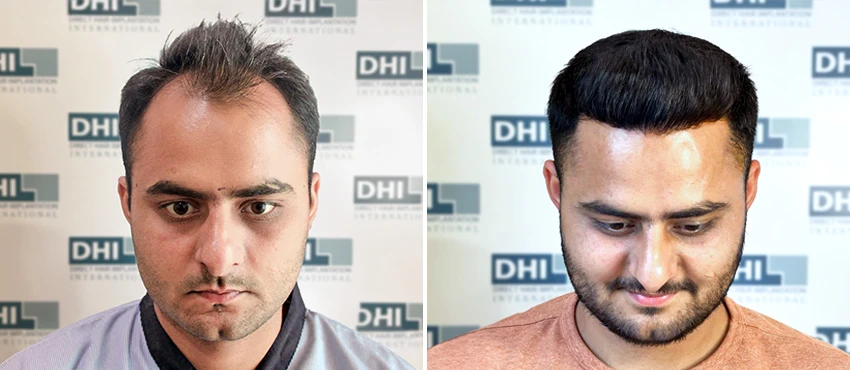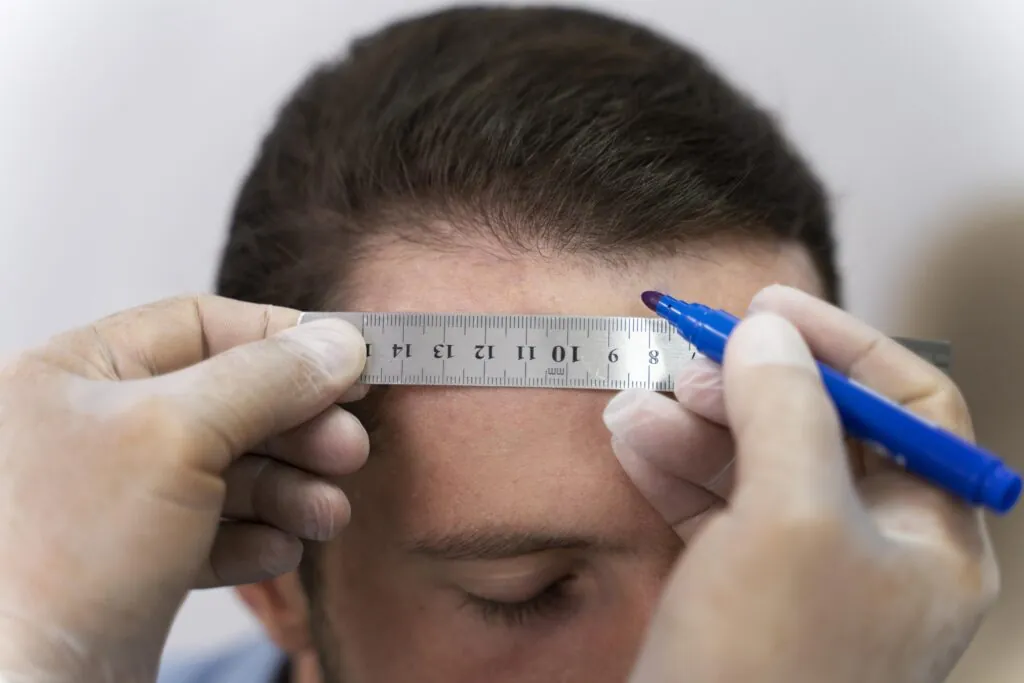

Baldness is one of the biggest concerns of men today, and many still question how baldness will progress with age and whether it is possible to prevent or slow down the process. Some men notice a receding hairline by the end of their teens or twenties, while others may not experience significant thinning until much later in life. The sooner you understand how hair loss progresses over time, the better decisions you can make regarding treatment and long-term hair preservation.
Male pattern baldness, also known as androgenetic alopecia, accounts for more than 95% of all male hair loss. As an androgenetic alopecia sufferer, your hair loss will typically worsen over time unless you seek professional treatment. Fortunately, identifying the condition early and developing a long-term strategy can help protect your remaining hair and improve your chances of achieving excellent results with treatments such as hair transplant Malaysia.
Throughout this article, we will explain how baldness progresses with age, discuss the different stages of male pattern baldness, describe what type of hair loss you can expect throughout different decades of life, and explain why starting treatment as early as possible often produces the best long-term results.
Why Does Hair Loss Get Worse With Age?
Why Does My Hair Loss Become More Obvious Over Time?
Hair loss doesn’t occur overnight. It usually develops gradually over many years because hair follicles become increasingly sensitive to dihydrotestosterone (DHT). In men who are genetically predisposed to hair loss, DHT causes hair follicles to become progressively smaller. This process is known as miniaturization. During each new hair growth cycle, miniaturized follicles produce finer, shorter, less dense, and weaker hairs. Eventually, some follicles stop producing visible hair altogether. Since this process continues over time, baldness generally becomes more noticeable as men grow older.
What Is Androgenetic Alopecia?
Is Male Pattern Baldness the Same as Androgenetic Alopecia?
Androgenetic alopecia is the medical term for male pattern baldness. It develops because of a combination of genetics, hormones, age, and an individual’s sensitivity to DHT. Although aging itself is not the direct cause of baldness, it allows the miniaturization process to continue year after year. Consequently, the total amount of hair gradually decreases while larger areas of the scalp become visible. However, every man experiences hair loss differently. Some lose hair rapidly during their twenties, while others retain much of their hair well into later life.

Stages of Male Pattern Baldness
What Is the Norwood Classification System?
Physicians commonly use the Norwood Classification System to categorize the progression of male pattern baldness. This internationally recognized system helps both doctors and patients understand how hair loss develops and assists physicians in creating personalized treatment plans.
Stage One: No Visible Balding
At this stage, there is no detectable reduction in hair volume. Your hairline appears normal, and overall hair density remains high. Most men do not require treatment at this stage. However, individuals with a strong family history of baldness may benefit from regular monitoring.
Stage Two: Early Temple Recession
The first noticeable signs of hair loss usually appear around the temples. Although these changes may be subtle, many men begin to notice that their youthful hairline is maturing. At this stage, many patients start researching medical treatments that may help slow further progression.
Stage Three: Increasing Temple Recession
Temple recession becomes more pronounced and visually noticeable. The temples continue to recede, creating the characteristic “M-shaped” hairline associated with early male pattern baldness. For many patients, this is when they begin exploring medical therapy or hair transplant Malaysia options.
Stage Four: Crown Thinning and Frontal Hairline Recession
Hair loss now affects both the frontal hairline and the crown. A bridge of hair still separates these two areas, although it gradually becomes thinner over time. At this stage, preserving the remaining hair becomes increasingly important because early treatment may reduce the need for larger procedures in the future.
Stage Five: Continued Progression
Hair loss continues to advance. The frontal and crown bald areas enlarge, while the strip of hair connecting them becomes increasingly narrow. Long-term planning becomes essential to preserve the donor area for any future hair restoration procedures.
Stage Six: The Bridge Disappears
Once the bridge disappears, the frontal and crown bald areas merge into one larger region. Many patients remain suitable candidates for hair transplant Malaysia, but careful donor management becomes crucial to achieve natural, long-lasting results.
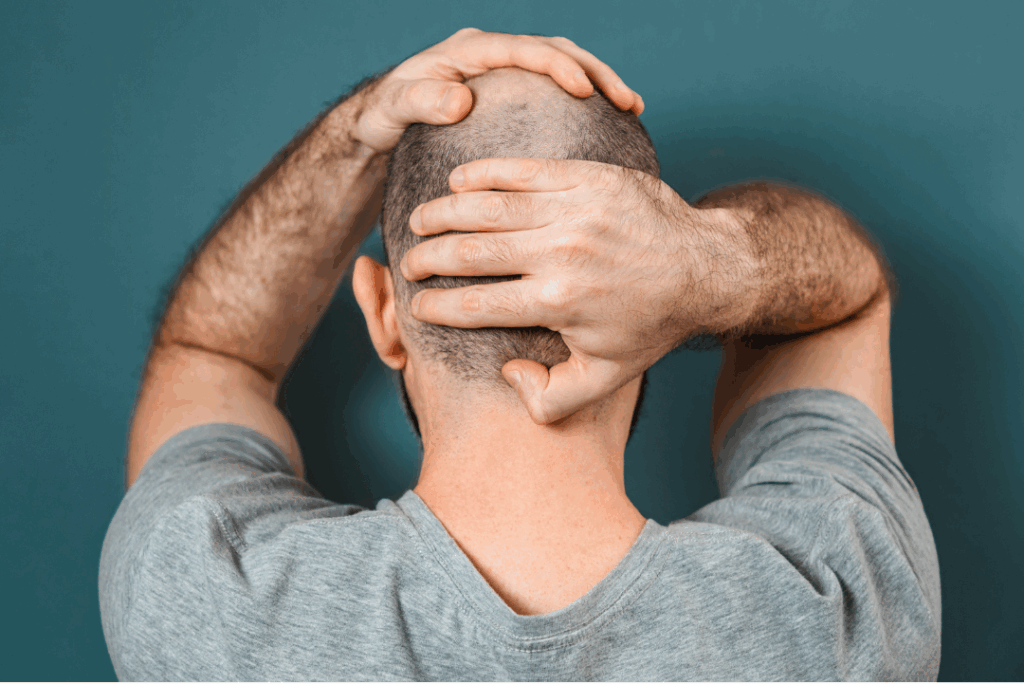
Hair Loss in Your 40s and 50s
Does Hair Loss Continue to Progress?
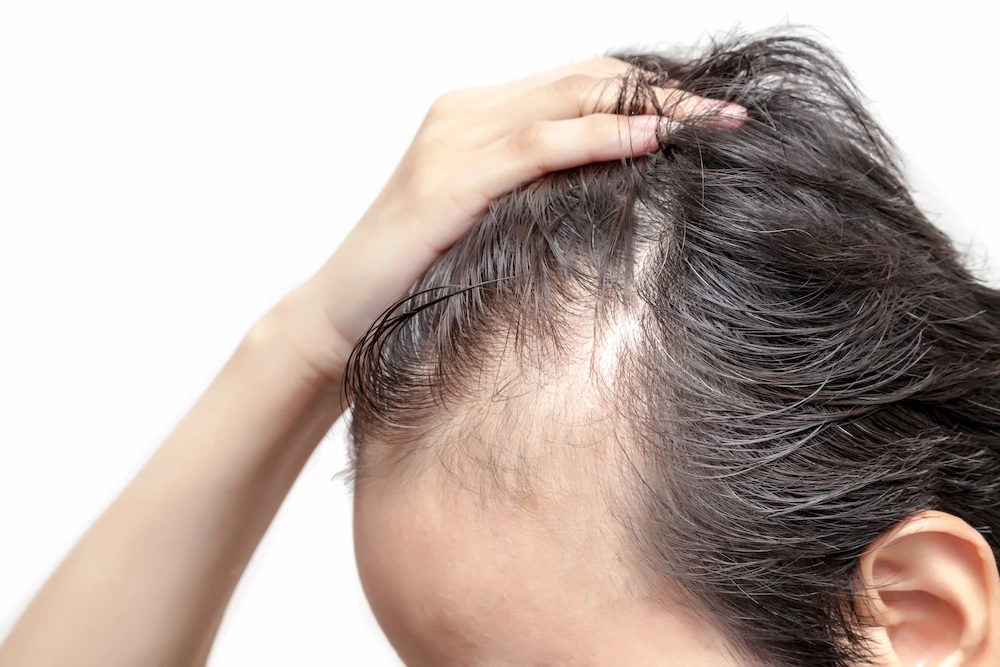
For many men, hair loss becomes more apparent during their forties and fifties. By this stage, the pattern of baldness is usually well established, and larger areas of thinning may develop across the front and crown of the scalp.
Common changes include:
- More extensive crown baldness
- Progressive recession of the hairline
- Decreased hair density throughout the scalp
- Thinner donor hair in some individuals
Because hair loss has often stabilized compared with earlier decades, this period is frequently considered an excellent time to evaluate long-term restoration options, including hair transplant Malaysia procedures.
What Happens After the Age of 60?
Hair loss does not necessarily stop after the age of 60, but the rate of progression often slows. In addition to continued thinning, hair quality naturally changes with age. Hair may become finer, lighter in colour, and slower to grow. Nevertheless, many older patients remain excellent candidates for hair restoration. Age alone should never determine whether someone is suitable for treatment. Instead, doctors evaluate overall health, donor hair quality, scalp condition, and individual expectations.
Why Early Treatment Makes a Difference
Can You Slow Hair Loss?
Yes. Although androgenetic alopecia cannot currently be cured, several treatments can slow its progression and preserve existing hair.
Depending on the patient’s condition, doctors may recommend:
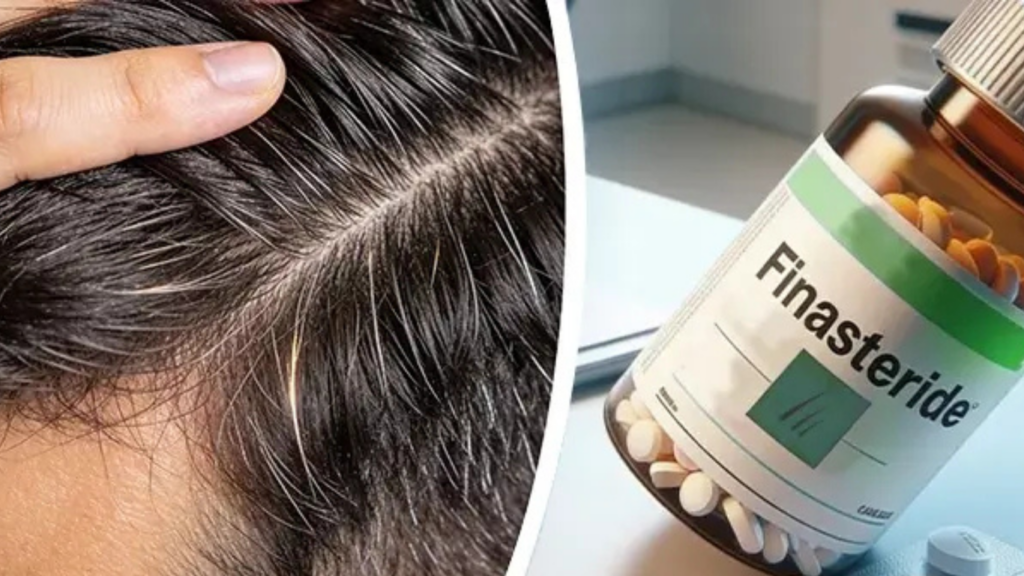
- Finasteride
- Dutasteride
- Topical or oral Minoxidil
- Platelet Rich Plasma (PRP)
- Exosome therapy
These treatments work best when started early, before significant follicle miniaturization has occurred.
Why Is Early Intervention Important?
Many patients wait until they have lost a large amount of hair before seeking professional advice. However, preserving existing hair is often much easier than replacing it. Early treatment offers several advantages:
- Preserves natural hair density
- Delays the need for surgery
- Improves future hair transplant planning
- Protects valuable donor hair
- Produces more natural long-term outcomes
Consequently, early diagnosis remains one of the most important factors in successful hair restoration.
When Is the Best Age for a Hair Transplant?
Is There an Ideal Age?
One of the most common questions patients ask is whether there is a perfect age for a hair transplant Malaysia procedure.
The answer depends less on age and more on the stability of hair loss.
Before recommending surgery, experienced doctors evaluate several important factors, including:
- Current Norwood stage
- Family history
- Donor hair quality
- Rate of progression
- Long-term expectations
A younger patient with rapidly progressing hair loss may benefit more from medical therapy initially, whereas someone with stable hair loss may be an excellent candidate for hair transplantation.
Why Isn’t Younger Always Better?
Some patients request an aggressively low hairline in their twenties. Although this may appear attractive initially, it can create significant problems later because hair loss usually continues throughout adult life. Poor planning may result in:
- An unnatural-looking hairline as the patient ages
- Excessive graft consumption
- Limited donor reserves for future procedures
- The need for multiple corrective surgeries
For this reason, experienced hair restoration surgeons design conservative, age-appropriate hairlines that continue to look natural for decades rather than only immediately after surgery.
Why Long-Term Hair Transplant Planning Matters
Looking Beyond Today’s Hairline
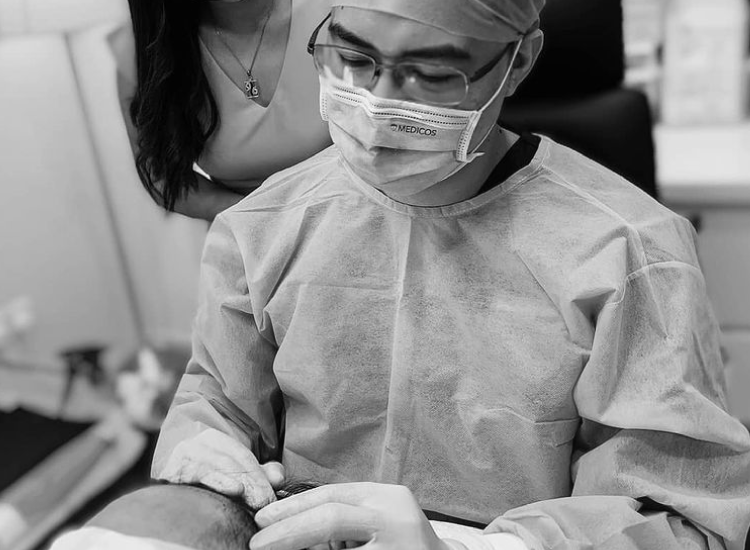
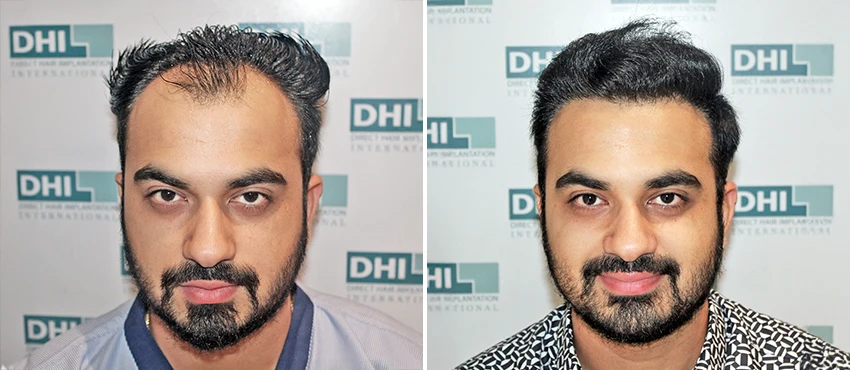
A successful hair transplant Malaysia procedure is not simply about restoring today’s appearance. It is about creating results that will continue to look natural 10, 20, or even 30 years later. Long-term planning considers:
- Future hair loss progression
- Donor preservation
- Crown coverage
- Hairline design
- Overall facial aging
This strategic approach helps ensure patients maintain natural-looking results throughout their lives while preserving donor hair for any future needs.
Common Planning Mistakes
Unfortunately, poor planning remains one of the leading reasons patients require corrective surgery. Common mistakes include:
- Hairlines positioned too low
- Excessive graft concentration in one area
- Neglecting the crown
- Overharvesting the donor area
- Failing to anticipate future baldness
Proper planning helps avoid these mistakes while protecting the patient’s long-term treatment options.
How DHI Malaysia Plans for Long-Term Hair Loss
Why Does Every Patient Need a Personalized Strategy?
At DHI Malaysia, treatment always begins with a comprehensive medical assessment rather than immediate surgery. Doctors carefully evaluate:
- Current hair density
- Hair characteristics
- Donor availability
- Family history
- Age
- Pattern of hair loss progression
This detailed evaluation allows the medical team to create an individualized treatment strategy instead of applying the same approach to every patient.
A Long-Term Medical Approach
Depending on the patient’s individual needs, treatment may include:
- Medical therapy to preserve existing hairs
- Long-term hair restoration planning
- Hair transplantation when appropriate
- Ongoing monitoring
- Future maintenance recommendations
Rather than focusing solely on today’s appearance, DHI Malaysia emphasizes natural-looking results that continue to age gracefully while protecting the donor area for the future.
Frequently Asked Questions
At What Age Does Male Pattern Baldness Usually Begin?
Many men notice the first signs of hair loss between the ages of 20 and 30, although the timing varies considerably depending on genetics and individual hormone sensitivity.
Does Everyone Reach Norwood Stage 7?
No. Some men experience only mild temple recession throughout life, while others develop advanced baldness. Every patient’s pattern of hair loss is unique.
Can Medical Treatment Stop Hair Loss Completely?
Current medical treatments can often slow the progression of androgenetic alopecia significantly. However, no treatment can permanently stop hair loss in every patient.
Is a Hair Transplant Permanent?
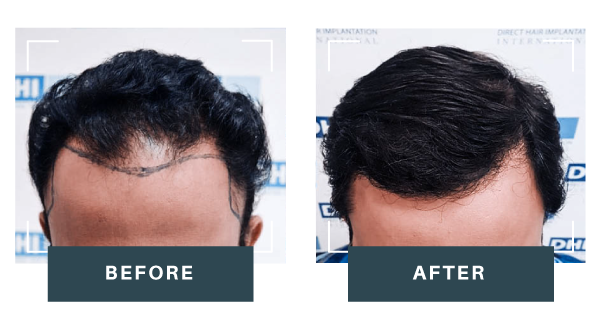
Yes. Transplanted follicles are typically taken from genetically resistant donor areas and usually continue growing for life. However, the surrounding non-transplanted hair may continue to thin, making long-term planning essential.
When Should I See a Hair Restoration Doctor?
If you notice persistent thinning, a receding hairline, excessive hair shedding, or have a strong family history of baldness, scheduling an early consultation allows more treatment options before significant hair loss develops.
Conclusion
Understanding how baldness progresses with age allows patients to make informed decisions before significant hair loss occurs. Because male pattern baldness is a progressive condition, early diagnosis, appropriate medical treatment, and strategic long-term planning often produce the best outcomes.
Whether you’re experiencing early temple recession in your twenties or more advanced thinning later in life, preserving existing hair should always be the first priority. When hair transplant Malaysia becomes the appropriate solution, careful donor management and conservative planning help create natural results that continue to look good for decades.
At DHI Malaysia, every patient receives a personalized assessment based on age, hair loss progression, donor quality, and long-term goals. By combining evidence-based medical treatments, advanced hair restoration techniques, and careful long-term planning, DHI Malaysia helps patients achieve healthy, natural-looking results that stand the test of time.