
Can Sunlight Affect Hair Transplant Results?
Sunlight can cause serious complications after a hair transplant. One of the most significant concerns is that excessive sun exposure after a hair transplant may interfere with the healing process and place unnecessary stress on newly transplanted grafts. During the early recovery period, the scalp is extremely sensitive, and prolonged exposure to ultraviolet (UV) rays can increase inflammation, dryness, and discomfort.
If the scalp remains uncovered and exposed to direct sunlight, it may develop excessive dryness, redness, and a burning sensation. In severe cases, prolonged UV exposure may contribute to skin damage, delayed healing, pigmentation changes, and even scarring in the recipient area.
For this reason, protecting your scalp from direct sunlight is one of the most important aspects of hair transplant aftercare.
How Can You Protect Your Scalp Outdoors?
Anyone who has undergone a hair transplant should protect their scalp whenever spending time outdoors.
Recommended precautions include:
- Wearing a loose-fitting hat with a wide brim that protects the entire scalp
- Choosing breathable materials such as cotton or mesh
- Wearing sunglasses to protect the eyes during prolonged outdoor activities
- Applying sunscreen only after your doctor confirms that the scalp has healed sufficiently
Following these simple precautions significantly reduces unnecessary UV exposure while supporting healthy healing.
Can Sunburn Affect Hair Transplant Recovery?
What Happens If Your Scalp Gets Sunburned?
Another important concern following hair transplant Malaysia procedures is sunburn. Burns caused by ultraviolet radiation can develop surprisingly quickly, especially during the first few weeks after surgery. Initially, the affected area may appear mildly red. However, over the following days, redness, tenderness, peeling, and discomfort may become increasingly noticeable. Because the scalp is already healing from surgery, sunburn may prolong inflammation and delay recovery.
How Long Does Burned Skin Take to Recover?
The skin may require anywhere from six months to one year to recover completely from more significant burns. Although many mild burns heal naturally, more severe burns may require medical treatment. Every patient heals differently. Therefore, it is important to monitor any changes involving:
- Persistent redness
- Severe pain
- Blistering
- Swelling
- Changes in skin colour
Even when itching develops, patients should avoid scratching the area because scratching may reopen healing tissue and increase the risk of infection.
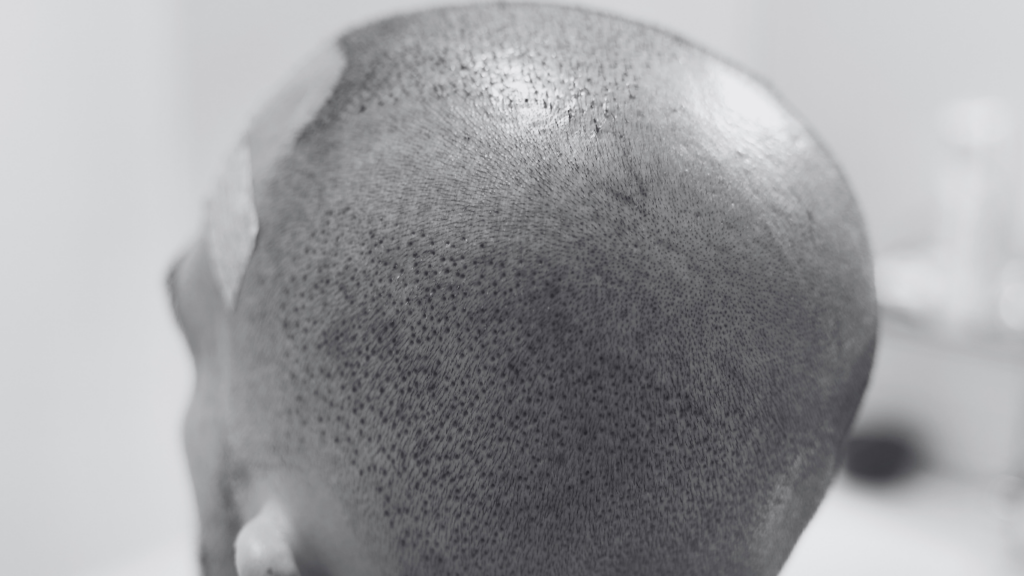
What Are the Possible Risks After Hair Transplant Surgery?
What Complications Can Occur?
Although hair transplantation is generally considered a safe and minimally invasive procedure when performed by experienced doctors, every surgical procedure carries some potential risks.
Possible complications include:
- Bleeding
- Hematoma formation
- Infection
- Scarring
- Temporary numbness
- Temporary nerve irritation
- Unnatural hair growth patterns
- Reduced graft survival
- Redness
- Swelling
- Mild pain
- Bruising
Fortunately, most of these side effects are temporary and gradually resolve as the body heals. Nevertheless, every patient should discuss these potential risks thoroughly with their surgeon before undergoing a hair transplant.
Hair Transplant Recovery and Aftercare
Why Is Proper Recovery So Important?
Hair transplantation is a surgical procedure designed to restore thinning or bald areas using healthy hair follicles harvested from permanent donor regions. Achieving excellent results depends not only on surgical technique but also on careful adherence to your surgeon’s post-operative instructions. During the first two weeks, patients are generally advised to:
- Minimize strenuous physical activity
- Protect the scalp from direct sunlight
- Maintain excellent scalp hygiene
- Stay well hydrated
- Eat a balanced diet rich in protein and nutrients
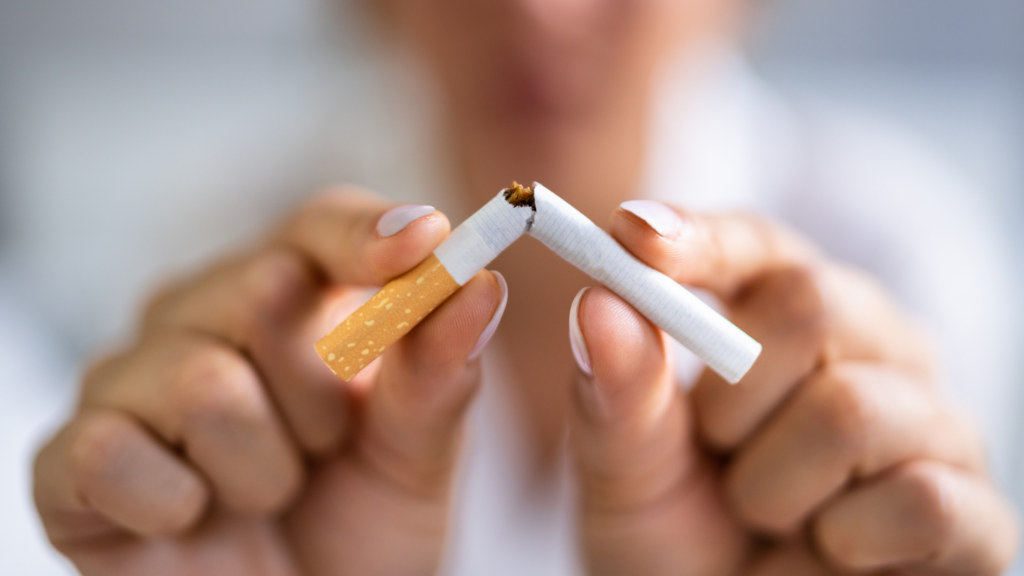
Additionally, smoking should be avoided because nicotine reduces blood circulation and may delay wound healing. Many surgeons recommend postponing smoking for several weeks or longer after surgery.
What Should You Expect Immediately After Surgery?
Is Hair Transplant an Outpatient Procedure?
Yes. Hair transplantation is usually performed as an outpatient procedure. Most patients spend approximately four to eight hours at the clinic before returning home on the same day. Because mild sedation is often administered to improve comfort and reduce anxiety, patients should arrange transportation home after surgery. Following the procedure, mild fatigue or drowsiness is common.
How Should You Rest During the First 48 Hours?
During the first two days, patients should prioritize rest. Doctors usually recommend:
- Sleeping with the head slightly elevated
- Avoiding bending forward
- Avoiding heavy lifting
- Limiting unnecessary physical activity
These simple measures help minimize swelling and reduce the risk of bleeding.
When Will You See Hair Transplant Results?
How Long Does Hair Growth Take?
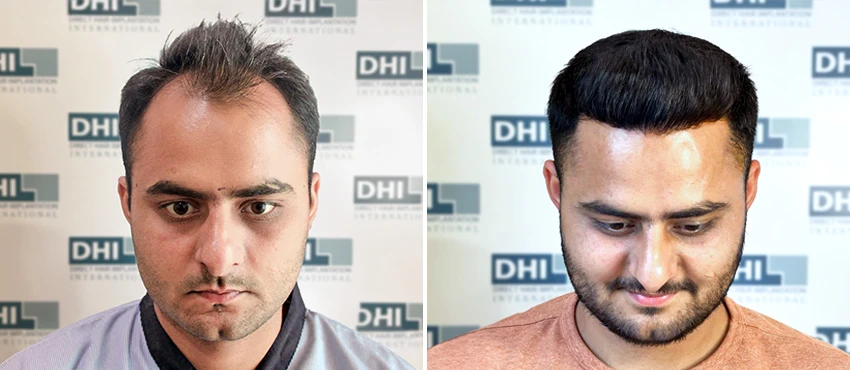
One of the most common questions patients ask is when they will begin seeing new hair growth. Although every patient heals differently, noticeable improvement generally begins around nine months after surgery. Some patients experience earlier growth, while others require additional time. Patience remains essential because hair follicles naturally progress through several stages before producing mature, permanent hair.
Do Men and Women Experience Different Results?
Hair Restoration in Men
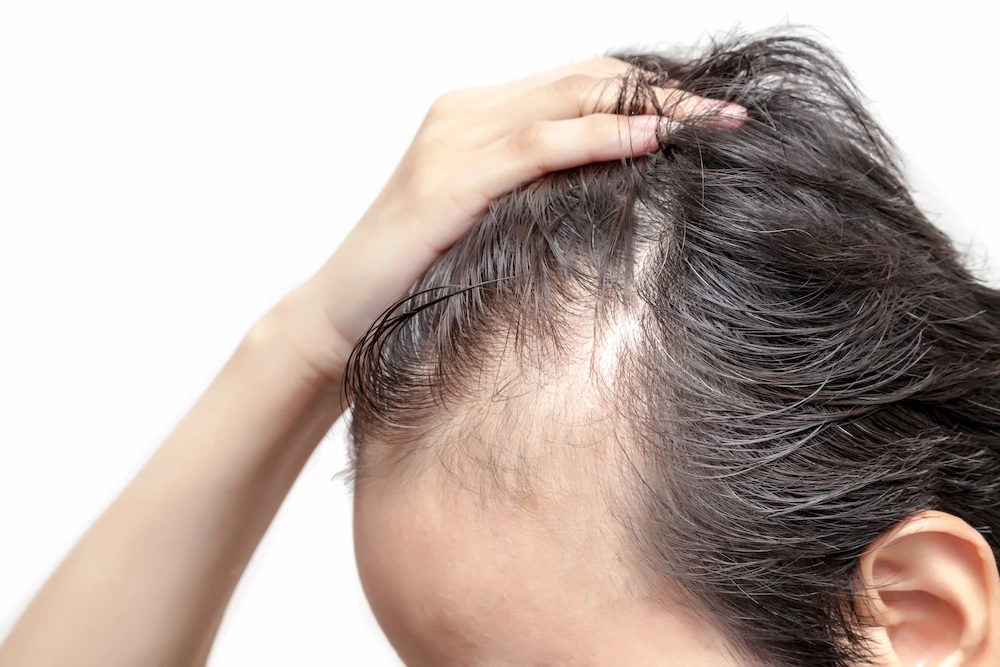
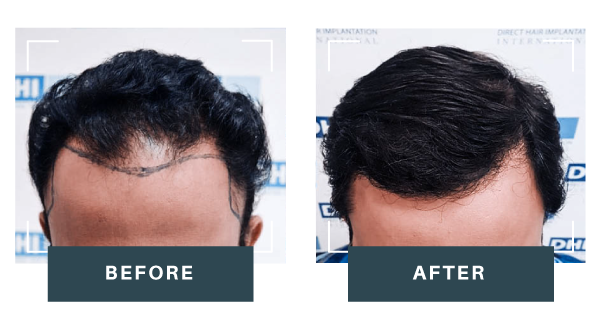
Men seeking treatment for male pattern baldness generally achieve excellent results when restoring the frontal scalp and hairline. Patients with advanced crown baldness may require more careful donor management because larger areas require greater numbers of grafts.
Hair Restoration in Women
Women with female pattern hair loss often benefit from lower-density transplantation designed to blend naturally with existing hair. Female patients frequently retain more native hair because lower levels of dihydrotestosterone (DHT) slow the progression of hair loss compared with men. Some women also develop thinning around the temples or occipital scalp, areas that may respond very well to carefully planned transplantation.
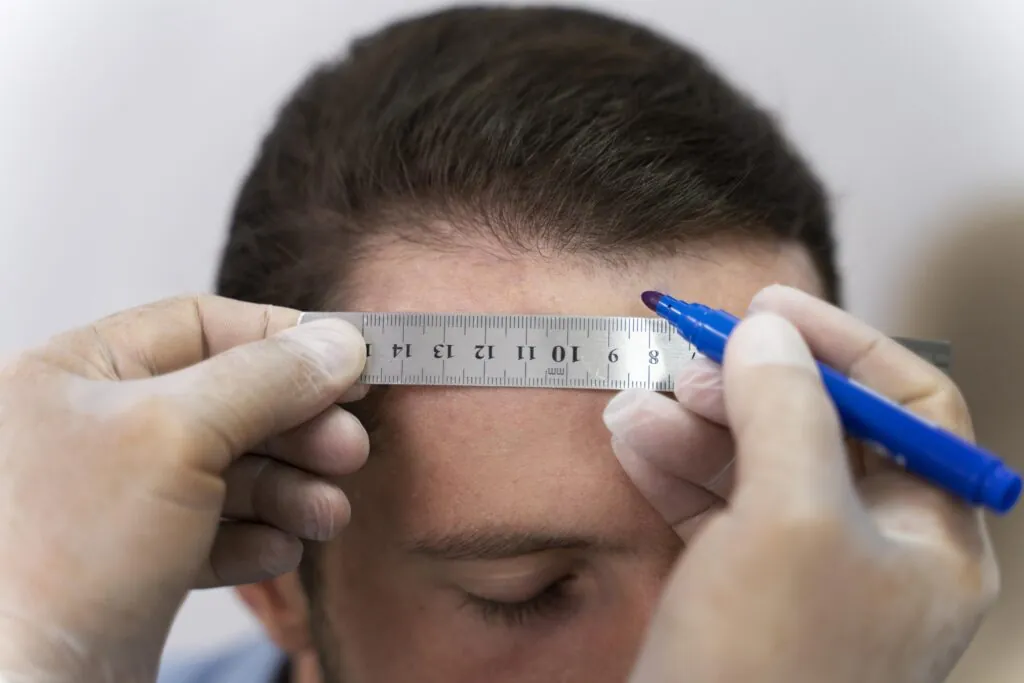
Why Do Patients Choose Hair Transplant Surgery?
More Than Hair Restoration
Patients pursue hair transplantation for many different reasons. For some, restoring their hair improves self-confidence and self-esteem. Others seek treatment after unsuccessful attempts with medications, cosmetic products, or other non-surgical therapies. Regardless of the reason, successful hair transplantation can provide natural-looking, permanent hair restoration when performed by experienced medical professionals and supported by proper aftercare.
Is Hair Transplant Surgery Painful?
What Should Patients Expect?
Hair transplant procedures are performed under local anesthesia. Consequently, patients generally do not experience pain during the procedure itself. After surgery, mild soreness, tightness, or discomfort involving the scalp and neck is completely normal. Fortunately, these symptoms usually improve within a few days and can be effectively managed using medication prescribed by your surgeon. Following your doctor’s aftercare instructions carefully, including protecting your scalp from sun exposure after a hair transplant, helps promote faster healing and maximizes the likelihood of achieving healthy, natural-looking long-term results.
Can Sunburn Affect Hair Transplant Results?
What Happens If You Burn Your Scalp?
One of the biggest risks during the recovery period is developing sunburn on the healing scalp. Although many patients think a mild sunburn is harmless, it can significantly increase inflammation and slow the recovery process. Immediately after a hair transplant, the scalp is more vulnerable because the skin barrier is temporarily disrupted. Ultraviolet (UV) rays can penetrate more easily, causing irritation and discomfort.
Severe sun exposure may lead to:
- Increased redness
- Skin irritation
- Delayed healing
- Swelling
- Pain and discomfort
- Temporary changes in skin pigmentation
Although permanent graft damage is uncommon, excessive inflammation may create a less favorable environment for healing. Therefore, preventing sunburn should remain a priority during the first month after surgery.
What Should You Do If You Develop Sunburn?
If your scalp becomes sunburned, avoid additional sun exposure immediately.
Doctors generally recommend:
- Staying indoors until the redness improves
- Keeping the scalp hydrated
- Avoiding scratching or rubbing the area
- Contacting your clinic if blistering or severe pain develops
Prompt medical advice helps ensure the healing process remains on trac
Can You Use Sunscreen After a Hair Transplant?
Is Sunscreen Safe During Recovery?
Many patients assume sunscreen offers immediate protection after surgery. However, sunscreen should not be applied directly onto newly transplanted grafts during the early healing period. The scalp requires time to recover before creams or lotions can be safely introduced. During the first weeks, physical protection from sunlight remains the safest option.Once your doctor confirms that the scalp has healed sufficiently, sunscreen can become part of your long-term scalp protection routine.
Which Sunscreen Should You Choose?
When sunscreen is eventually recommended, look for products that are:
- SPF 30 or higher
- Fragrance free
- Suitable for sensitive skin
- Mineral based whenever possible
Avoid heavily perfumed or alcohol-based products unless specifically recommended by your doctor.
Are There Other Heat Sources You Should Avoid?
Is the Sun the Only Concern?
No. Although sunlight is one of the most common concerns, any activity that raises scalp temperature excessively can prolong inflammation during recovery.
Patients should temporarily avoid:
- Saunas
- Steam rooms
- Hot tubs
- Long hot showers
- Intense exercise
- Hair dryers on high heat
- Prolonged beach holidays
Excessive heat increases blood flow to healing tissues and may contribute to swelling, redness, and discomfort. Fortunately, these restrictions are only temporary and gradually become less important as healing progresses.
How Long Should You Protect Your Scalp From the Sun?
What Is the Normal Recovery Timeline?
Knowing when your scalp becomes less sensitive helps patients safely return to their normal lifestyle.
Days 1–7
During the first week:
- Avoid direct sunlight completely whenever possible.
- Limit outdoor activities.
- Follow all aftercare instructions carefully.
Weeks 2–4
Healing continues steadily. During this stage:
- Grafts become increasingly secure.
- Redness gradually improves.
- Short periods outdoors become safer.
- Continue avoiding prolonged sun exposure.
Months 1–3
By this stage:
- The scalp has healed significantly.
- Most redness has resolved.
- Hair follicles continue establishing long-term growth.
Nevertheless, protecting the scalp from excessive ultraviolet exposure remains beneficial for overall skin health.
How DHI Malaysia Supports Safe Hair Transplant Recovery
Why Is Professional Aftercare So Important?
A successful hair transplant Malaysia procedure depends on more than excellent surgery. Proper aftercare plays an equally important role in maximizing graft survival, reducing complications, and achieving natural-looking results. At DHI Malaysia, every patient receives personalized recovery guidance tailored to their individual needs.
What Does DHI Malaysia’s Aftercare Include?
Patients benefit from:
- Detailed written aftercare instructions
- Personalized sun protection guidance
- Scheduled follow-up appointments
- Ongoing medical supervision
- Continuous communication with experienced doctors
Because every patient’s healing process is unique, regular follow-up allows doctors to monitor progress and answer questions throughout recovery. This comprehensive approach helps patients recover confidently while protecting their long-term results.
Frequently Asked Questions
Can I Walk Outside After a Hair Transplant?
Yes. Short periods outdoors are generally acceptable. However, prolonged direct sunlight should be avoided during the first few weeks.
How Long Should I Avoid Direct Sunlight?
Most surgeons recommend avoiding prolonged direct sunlight for approximately one month, although individual recommendations may vary.
Can UV Rays Damage Hair Grafts?
Prolonged ultraviolet exposure can increase inflammation and delay healing. While brief accidental exposure rarely causes permanent damage, protecting the scalp remains essential during recovery.
Can I Go to the Beach?
Beach holidays should generally be postponed until your doctor confirms that your scalp has healed sufficiently. Beaches combine strong UV radiation, heat, sweat, wind, and saltwater, all of which may irritate healing skin.
When Can I Wear a Hat?
Loose-fitting hats are often permitted after the first few days, but always follow your surgeon’s specific instructions.
When Can I Use Sunscreen?
Sunscreen should only be applied after your doctor confirms that the scalp has healed completely. Until then, physical protection from the sun is the safest approach.
Conclusion
Understanding the importance of sun exposure after a hair transplant is essential for protecting newly implanted grafts and supporting a smooth recovery. During the first few weeks, the scalp remains highly sensitive to ultraviolet radiation, heat, and inflammation. Consequently, avoiding prolonged sun exposure is one of the simplest ways to protect your investment and promote optimal healing.
Although most patients can gradually return to outdoor activities within a few weeks, following your surgeon’s advice remains the most reliable way to prevent unnecessary complications.
At DHI Malaysia, every patient receives comprehensive aftercare instructions designed to maximize graft survival and encourage healthy, natural hair growth. By combining advanced surgical techniques with personalized recovery guidance, DHI Malaysia helps patients achieve safe healing and long-lasting, natural-looking hair transplant results.