Hair restoration has the potential to be life changing; however, the weeks immediately following the procedure can also be a difficult emotional journey for patients. Many patients will reach out to their surgeon’s office with concerns about their hair restoration procedure. Specifically, they will often inquire about the possibility of transplanted hairs shedding within the initial days following their surgery. Most commonly, the question asked is whether the hair loss is a result of shock loss after a hair transplant or whether the transplanted hair was actually damaged due to graft failure after a hair transplant. Fortunately, in almost all instances, hair loss during the first weeks after surgery is a normal part of the healing process. However, true graft failure is much rarer and is typically associated with other medical complications.
While the terms “shock loss,” and similar expressions have been used interchangeably to describe hair loss following hair transplantation procedures, understanding the definitions and distinctions can alleviate unnecessary distress and assist patients in determining when medical consultation is warranted.
DHI Malaysia offers comprehensive post operative follow up care to every patient to assess and monitor wound healing, graft survival, and overall outcomes following hair restoration surgery.
Below, we define what shock loss entails and how it differs from graft failure, provide insight into recognizing the distinction, discuss the importance of utilizing proper surgical techniques and post operative care, and explain why DHI Malaysia is regarded by many patients as one of the best hair transplant clinic in Malaysia for achieving 100% natural results.
What Is Shock Loss Following Hair Transplantation?
Is Hair Shedding Following Surgery Commonly Expected?
Yes. Perhaps one of the biggest surprises for first time patients undergoing hair transplantation is witnessing newly transplanted hairs fall out a short time after surgery. While this can be alarming, shock loss after a hair transplant is typically a normal aspect of the body’s healing response to the minor trauma inflicted on the scalp during transplantation.
As previously mentioned, shock loss occurs because transplanted follicles temporarily enter the resting phase of the natural hair growth cycle. The visible hair shaft sheds, but the follicle itself remains healthy beneath the scalp. Therefore, shedding of transplanted hair after surgery generally indicates that the transplanted follicles remain viable and will produce new hair during the following months. Prior to surgery, DHI Malaysia educates patients thoroughly about this process so they understand exactly what to expect throughout their recovery.
When Does Shock Loss Typically Occur?
Shock loss generally follows a predictable timeline. Most patients experience:
- Normal healing during the initial two weeks following surgery
- Shedding of transplanted hairs between weeks 2 and 8
- A resting phase lasting several months
- New hair growth beginning approximately 3 to 4 months after surgery
- Progressive improvements in hair density continuing until around 12 months after surgery
Although every patient heals at a different pace, this sequence is considered completely normal. Understanding this timeline helps reduce unnecessary anxiety during the early stages of recovery.
What Is Graft Failure Following Hair Transplantation?
Does Every Shed Hair Mean Graft Failure?
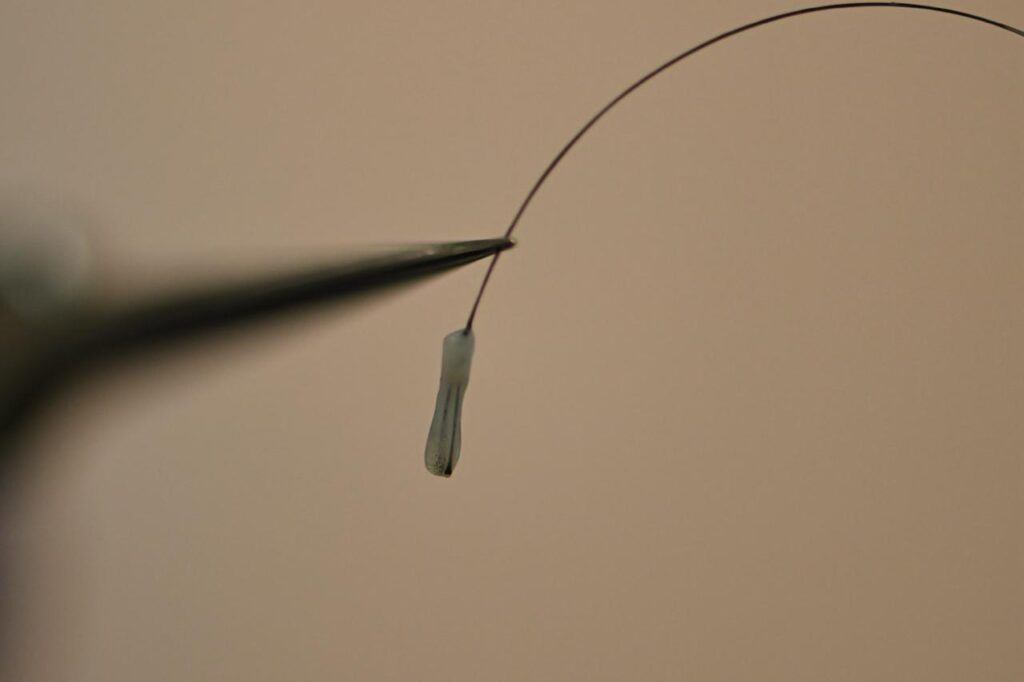
No. Many patients mistakenly believe that every hair that sheds represents a failed graft. In reality, graft failure after a hair transplant is a completely different condition from shock loss. Unlike shock loss, where only the visible hair shaft sheds temporarily, graft failure means the follicle itself has suffered irreversible damage and no longer has the ability to produce new hair. Fortunately, true graft failure is uncommon when an experienced physician performs the procedure using proper surgical techniques.
What Factors Contribute to Graft Failure?
Several factors may contribute to graft failure. Possible risk factors include:
- Poor graft handling during surgery
- Excessive trauma to implanted follicles
- Dehydration of grafts before implantation
- Infection
- Inadequate blood supply
- Smoking during recovery
- Failure to follow recommended post operative instructions
- Trauma to the scalp shortly after surgery
Most of these risk factors can be significantly reduced through meticulous surgical technique and comprehensive post operative care. This is one reason many patients increasingly choose DHI Malaysia, where every stage of the hair transplant procedure is performed by licensed physicians rather than technicians.
Shock Loss vs. Graft Failure: What Are the Key Differences?
How Can You Tell Whether You Have Shock Loss or Graft Failure?
Although both shock loss and graft failure involve hair shedding, there are important differences between the two conditions. Shock loss is temporary. The follicles remain alive beneath the scalp and continue producing new hair. By contrast, graft failure involves permanent damage to the follicle itself. Recognizing these differences can help patients distinguish between a normal recovery process and a complication requiring medical evaluation.
Common Signs of Shock Loss
Patients experiencing normal shock loss commonly notice:
- Hair shedding beginning approximately 2 to 8 weeks after surgery
- Minimal discomfort
- Gradual return of new hair growth over the following months
- Continuous improvement throughout recovery
These findings generally indicate that healing is progressing normally.
Common Signs of Graft Failure
Although uncommon, possible signs of graft failure include:
- Persistent bald patches with no evidence of new hair growth
- Poor healing of the recipient area
- Persistent redness lasting longer than six months
- Significant infection
- Extensive tissue damage
- Abnormal scarring
If you experience any of these symptoms, you should contact your treating physician as soon as possible for a comprehensive evaluation. Fortunately, when surgeons follow strict medical protocols and employ meticulous graft handling techniques, graft failure is rarely encountered.
What Are the Signs That My Grafts Are Healing Well?
How Do I Know Whether My Hair Transplant Is Healing Properly?
Many patients examine their scalp every day after surgery to make sure their recovery is progressing as expected. Fortunately, there are several reassuring signs that indicate your transplanted grafts are healing normally.
A typical recovery usually includes:
- Mild redness during the first week
- Small scabs that naturally fall off within approximately two weeks
- Temporary shedding of the transplanted hair shafts
- Smooth healing of both the donor and recipient areas
Although the temporary loss of transplanted hair shafts may cause concern, the most important sign of successful graft survival is that the scalp continues to heal normally without infection or excessive inflammation. If you experience these findings, your recovery is generally progressing as expected.
Hair Growth Timeline Following Hair Transplant Surgery
What Can I Expect Each Month?
Understanding the normal hair growth timeline helps reduce unnecessary anxiety during recovery.
Days 1–14
During the first two weeks:
- Mild redness is common.
- Small protective scabs develop.
- The grafts gradually become securely anchored.
- Healing progresses steadily.
Patients should carefully follow every post operative instruction during this important stage of recovery.
Weeks 2–8
This is the period when shock loss after a hair transplant most commonly occurs. During this stage:
- Transplanted hair shafts begin to shed.
- The hair follicles remain healthy beneath the skin.
Although this phase may appear concerning, it represents a completely normal part of the recovery process.
Months 3–4
The resting phase gradually comes to an end. New hairs begin emerging from the transplanted follicles. Initially, these new hairs are often finer and thinner than the surrounding hair.
Months 6–9
Hair growth becomes increasingly noticeable. Most patients observe:
- Increased density
- Thicker hair shafts
- Improved overall coverage
This is often the stage when patients begin appreciating significant cosmetic improvement following their procedure.
Months 12–18
The final results continue to mature. Hair gradually becomes:
- Thicker
- Stronger
- More natural in appearance
Some patients continue noticing subtle improvements for up to 18 months after surgery.
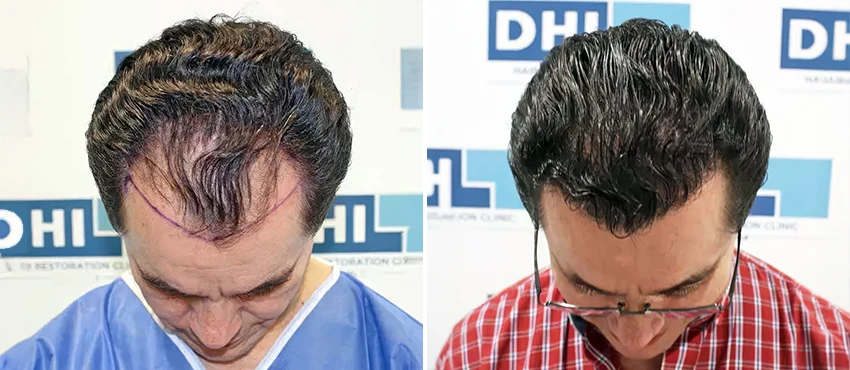
Why Doctor Only Procedures Help Minimize Graft Failure
Does It Matter Who Performs the Surgery?
Absolutely. Many factors influence graft failure after a hair transplant, but one of the most important is who performs each stage of the procedure. Every step requires medical judgement and precision, including:
- Hairline design
- Donor harvesting
- Graft handling
- Recipient site creation
- Implanting grafts at the correct depth and angle
Each stage has the potential to affect graft survival if not performed correctly. For this reason, patients should always ask who performs every aspect of the surgery.
Why Does DHI Malaysia Follow a Doctor Only Policy?
Unlike many high volume clinics where technicians perform significant portions of the procedure, DHI Malaysia follows a strict doctor only protocol. At DHI Malaysia, experienced physicians perform:
- Patient evaluation
- Hairline design
- Donor extraction
- Recipient site planning
- Direct implantation of every individual graft
- Follow up medical assessments
This doctor only approach minimizes unnecessary trauma to the grafts while maximizing long term survival. Because every graft represents living tissue, meticulous handling greatly improves the likelihood of healthy, natural hair growth.
Why DHI Malaysia Closely Monitors Every Patient
Why Is Follow Up So Important?
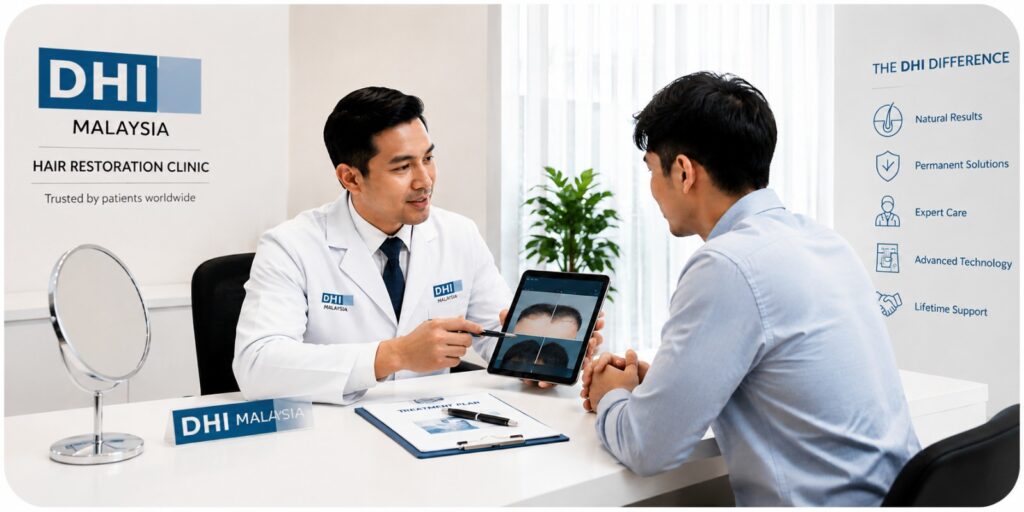
Excellent surgery is only the beginning of a successful hair restoration journey. Comprehensive post operative follow up is equally important for achieving outstanding long term results. At DHI Malaysia, every patient receives personalized follow up care designed to ensure recovery progresses exactly as expected. Doctors closely monitor:
- Healing of the donor area
- Healing of the recipient area
- Signs of infection
- Shock loss
- Graft survival
- Hair growth progression
Regular follow up appointments provide reassurance throughout the normal shock loss phase while allowing doctors to answer questions and identify any concerns early. Because of its commitment to comprehensive aftercare and doctor led treatment, many patients consider DHI Malaysia one of the best hair transplant clinics for patient safety, medical standards, and long term results.
Conclusion
Understanding the difference between graft failure after hair transplant and normal shock loss can prevent unnecessary anxiety during recovery. While temporary shedding is an expected part of the healing process, true graft failure is uncommon when surgery is performed using meticulous medical techniques and appropriate aftercare.
Successful hair transplantation depends on careful graft handling, precise implantation, comprehensive follow-up, and realistic patient expectations. Choosing an experienced medical team significantly improves graft survival and helps achieve natural, long-lasting results.
At DHI Malaysia, every procedure is performed under a strict doctor-only protocol, with comprehensive follow-up care throughout every stage of recovery. By combining advanced DHI technology, experienced physicians, and personalized aftercare, DHI Malaysia continues to deliver the high medical standards that have earned it a reputation as one of the best hair transplant clinics in Malaysia, helping patients achieve healthy hair growth with confidence.